ER24 issues dog attack safety tips
Having recently been called out to attend to patients who were attacked by dogs, ER24 spokesperson Chitra Bodasing is urging pet owners to take good care of their dogs.
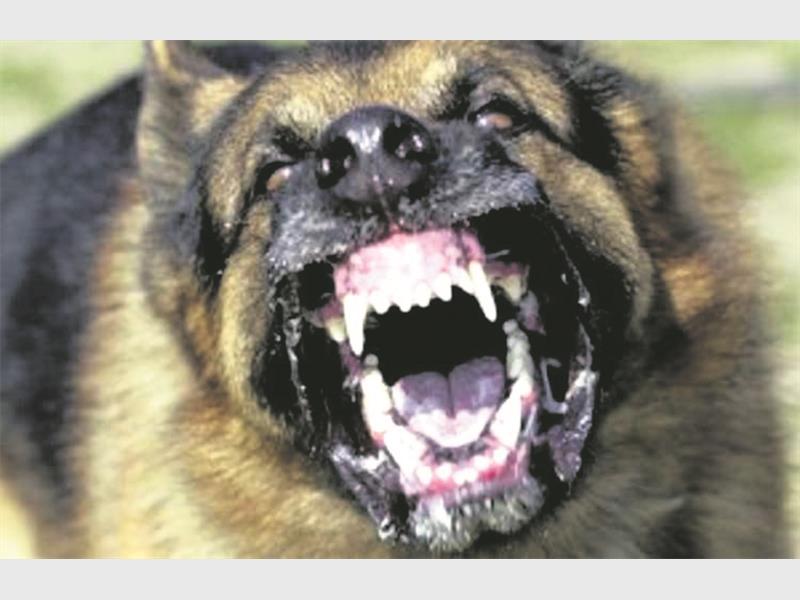
Having recently been called out to attend to patients who were attacked by dogs, ER24 spokesperson Chitra Bodasing is urging pet owners to take good care of their dogs.
She said pet owners needed to ensure their dogs were well socialised and trained from a young age, and kept safe in their property. ER24 also urged people to avoid approaching unfamiliar dogs and to report stray dogs to relevant authorities.
According to Samantha Walpole, Secretary of Animal Behavioural Consultants of South Africa, children are the most at risk of being bitten by dogs. Children should be educated how to act in the vicinity of dogs, and how to take care of their dogs.
“Children are generally drawn to dogs. Wagging tails are attractive to children. Unfortunately, the public is ill-informed that if a dog’s tail is wagging, it means it is happy and is safe to approach. This is far from the truth. Children are also taught hugging and kissing are an acceptable form of affection, but to canines this is perceived as confrontational.
Mrs Walpole said dogs that bite their owners, or anyone else, could have an underlying medical condition. The dog could also be pushed to a point where it could feel that its life was being threatened. Harsh and confrontational training methods could also be a contributing factor to a dog’s aggression.
Mrs Walpole urged people to purchase dogs from reputable breeders to minimise the risk of being bitten.
“If you want to purchase a puppy, do your homework to match the right breed with your lifestyle. There should be continued training to build a good bond between you and your dog.”
Precautions to avoid dog attacks.:
– Be respectful to your dog.
– Research and learn how to ‘speak dog’.
– Learn what your dog likes and dislikes.
– Do not poke, push or sit on a dog or pull its tail.
– Signs of discomfort include when the dog turns its head away from you, when the dog yawns, flicks his tongue out of his mouth or licks his nose, when the dog’s body freezes, when it moves away, lifts its lips or growls.
– Never corner a dog.
– Do not reprimand a dog when it growls. Growling means that a person should leave the dog alone.
– If your dog bites someone, temporarily confine the dog in a safe area with water and shelter. Immediately seek the assistance of a qualified trained professional.
“Do not encourage an unfamiliar dog to approach you. Quietly and calmly walk away. Do not turn your back on the dog but rather try to have your body facing sideways toward the dog,” advised Mrs Walpole
– If the dog approaches to attack you, do not scream, run away or turn your back on the dog.
– Do not make eye contact, as this is often perceived as confrontational.
– Keep your hands close to your body and stand still until the dog has backed away or is preferably out of sight.
“If you have food on you, break it up into small pieces and underarm toss the food toward the dog’s head. If the dog eats, continue to toss the food while slowly backing away to a safe place.”
If you are unable to escape an attacking dog, Mrs Walpole suggests placing yourself in a fetal position with your head tucked toward your chest and cover your head with your hands.
ER24’s Dr Kumeshan Moodley, who has treated numerous people for dog bites, said anyone bitten, even if minor injuries, should visit a medical practitioner immediately. He said one of the main reasons for this was the possibility of a person developing infections or rabies.
He explained people who developed rabies could experience anything from headache, fever, vomiting, muscle pain, difficulty swallowing, anxiety, profuse salivation, paralysis, restlessness, fear of water and seizures.
Dr Moodley said a person would not necessarily develop symptoms immediately, but could experience symptoms later in life. There was no effective treatment for people or animals once they developed rabies symptoms. Hence it was important to seek medical attention immediately after being bitten.
“Treatment of bites depends on the severity of the injury as well as whether the pet was immunised or not. If it is unknown whether the dog was immunised, as a precaution, the patient would be treated based on assumption the dog was not immunised,” said Dr Moodley.
He said whether or not a person received the rabies vaccination while still a child, they should be immunised again as a precaution. He also urged people to take care of their dogs, to feed and love them.
“Also remember, you take your children for their vaccinations. You should also take your dogs for their vaccinations. Remember to supervise your children when they are around animals,” he concluded.