
Pantsula Dance creates great atmosphere at Youth Day event, Dundee
As one pantsula dancer describes it “we have drive, we are one, we have power, we are young, strong and quick, we have our own style and we are competitive.
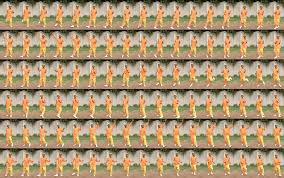
June 16, Youth Day, was celebrated in style in Sibongile. Not only was there a marathon, street soccer and netball, the pantsula dancers were also out in force, demonstrating their unique style, much to the delight of the big crowd that packed into the Miya Street area.
See them in action here:
Pantsula dance emerged in the 1950s and 1960s as a response to the forced removals implemented by the Apartheid government, shortly after its ascent to power.
It began in Alexandra and Sophiatown, two townships around Johannesburg, as groups of older men engaged in informal street dance competitions. Gradually the dance form spread throughout South Africa.[1] By the 1980s, pantsula was practiced by black South Africans of all ages and no longer limited to men.
It began to develop more political overtones. Pantsula was used as an expression of resistance during the political struggle then occurring against the Apartheid government, as well as being used to spread awareness about social issues such as AIDS.[2] After the end of Apartheid in 1994, pantsula persisted as an expression of cultural roots for many black South Africans. It also gained popularity in the white community of South Africa and has begun to take on new meanings as a dance form for all.
Technique
Pantsula is a syncopated, quick-stepping, low to the ground form of dance which evokes the urban street culture of which it is a part. It is performed by groups of dancers who practice together for many hours each week. It provides a powerful, stylized form of expression for those who dance it. As one pantsula dancer describes it “we have drive, we are one, we have power, we are young, strong and quick, we have our own style and we are competitive.”