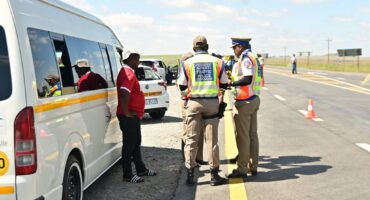
Rainy weekend prompts driving safety warning
Take extra care on wet roads this weekend with these essential tips to stay safe and avoid losing control. Read more here:

Newcastle residents are bracing themselves for a cold, wet, and icy weekend.
The mercury is expected to drop dramatically from Sunday, with a maximum temperature (according to AccuWeather) of just 11 degrees, accompanied by rain. Monday will even be colder with a maximum of nine predicted.
The weatherman expects the cold weather, set to move in on Saturday night, to be accompanied by rain.
As well as having to cope with the big chill, motorists must be aware of the dangerous driving conditions the rain creates.
Oil, diesel and other foreign substances which were bakes onto the road surface by the sun, are now being ‘washed’ away by the rain.
This can cause driver to lose control on the simplest of roads.
Read these 11 tips on how to drive safely in wet weather:
- Keep both hands on the steering wheel at all times! Keep all distractions, such as cell phones or even the radio, off and away from you. While focussing on the road in front, make sure you take a look in your rear view mirror as well as your side windows and mirrors. This will enable you to have a 360 degree view of what is happening around you; any mud slide or falling tree, electric pole, hanging electrical wires , or other potential hazards.
- Turn on your headlights, even in broad daylight! This will make it easier for you to see what is in front of you; thus, preventing any accidents.
- Keep a minimum five car length from the car in front of you. You never know what other drivers are going to do or what could happen to you! If that feels too close or too far a rule of thumb is 1 second of following distance per 15 kilometres per hour. That holds true, especially in bad weather.
- Drive at or below the speed limit to the extent that you are comfortable with, and can see far enough in front of you to appropriately make driving decisions.
- Be aware that the maximum speed at which you can drive is DIRECTLY related to your tires. Be sure to know what their condition is in. Radial tires have better traction than the old bias ply polyester tires, but even they lose their ability to grip wet tar and channel water out as the tread wears out.
- Be aware of hydroplaning. This is where your vehicle travels on top of the water and has NO or very little contact with the ground. Your traction is reduced significantly. To safely get out of a hydroplaning situation, take your foot off the accelerator and steer straight or slightly in the direction you must go. Do not make sudden motions and remain calm.
- Turn on the defroster if the windshield begins to fog. In hot, muggy weather, air conditioned air (which cannot contain as much moisture) will usually clear the inside of the windshield faster than non-air conditioned air.
- Be aware that brakes can be affected by water. Wet drum type brakes are especially prone to decreased stopping power after driving through deep water.
- Watch for splashing from potholes and pools of water that accumulate at clogged storm drain pipes and low areas of the pavement. Highways also develop “ruts” where the heaviest traffic tracks and you may be able to position your vehicle while remaining in your lane to avoid these.
- Use a rain repellent product on side windows and mirrors to clear standing raindrops.
- Beware of driving in the rain, especially at night. Motorcycles or even other dark-coloured cars can be camouflaged amongst glistening raindrops on side windows and mirrors. It’s best to have a light coloured car that isn’t easily camouflaged in the night.