Filming police in public ruled lawful by court
High Court rules that filming SAPS officers in public is legal if police work is not obstructed.
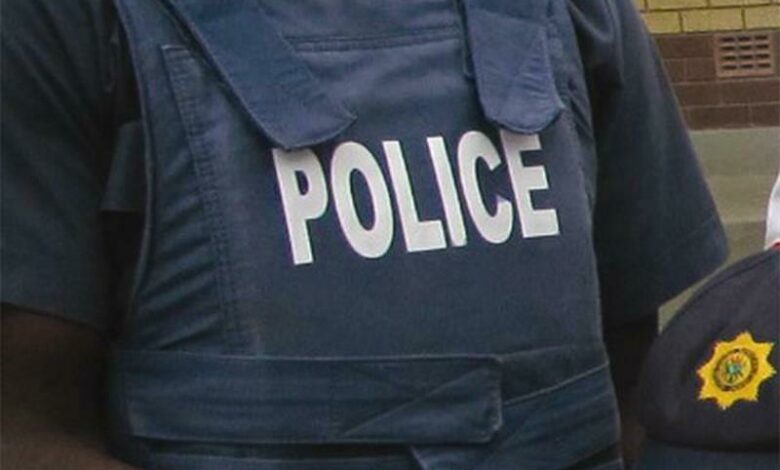
A Johannesburg High Court has confirmed that members of the public may legally photograph or record South African Police Service (SAPS) officers performing their duties in public spaces, provided they do not interfere with law enforcement operations.
Recording police activity ruled lawful
The ruling, in the case of Jacobs vs Minister of Police (2025), clarifies that recording police activity is lawful and that no one may be arrested or detained solely for filming officers on duty.
Police subject to public scrutiny
“The judgment reaffirms that police, as public officials exercising public power, are subject to public scrutiny, especially when operating in public spaces,” the court said. “Preventing or punishing lawful recording undermines transparency and accountability.”
What the judgment allows
According to the judgment:
Members of the public may film or photograph SAPS officers on duty in public.
No permission is required to record officers in public spaces.
Recording is not a criminal offence.
Arrests solely for filming are unlawful.
Lawfully obtained recordings may be used as evidence in complaints or court proceedings.
Audio recording and legal limits
The court noted that audio recording is generally lawful under the Regulation of Interception of Communications and Provision of Communication-Related Information Act (RICA), as long as it does not constitute unlawful interception.
Limits to the right to record
However, the right to record is not unlimited. Citizens must not obstruct, interfere with, or physically impede police officers, and must avoid provoking or disrupting lawful operations. Interfering with policing remains a criminal offence, regardless of recording.
Advice from legal experts and civil rights groups
Legal experts advise those recording to remain calm and non-confrontational, and to politely inform officers that the recording is for personal safety and accountability. Civil rights groups say the ruling reinforces public trust in policing by confirming that transparency protects both citizens and officers when the law is followed.
The news provided to you in this link comes to you from the editorial staff of the Vryheid Herald, a sold newspaper distributed in the Vryheid area.