
Local beekeeper shares how bees engineer nature
Newcastle beekeeper and chemical engineer explains how beekeeping shaped her view of nature, engineering and conservation.
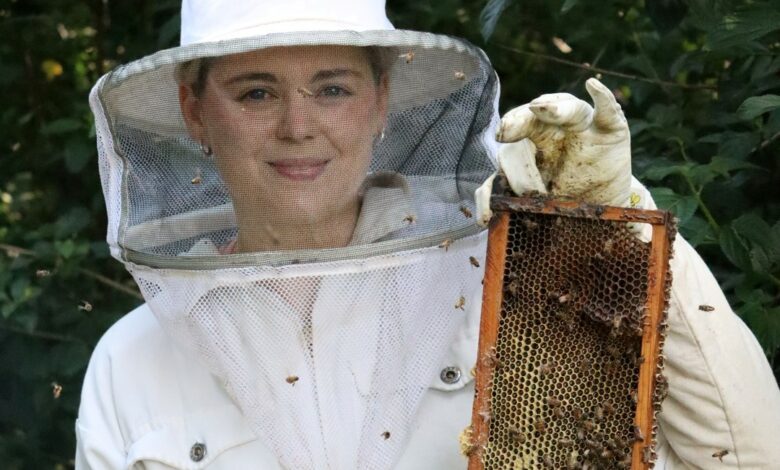
For many, bees are little more than a nuisance. For Newcastle-based beekeeper and chemical engineer Chanelle-Marié Koen, they are a source of fascination and lifelong learning.
Her interest in bees began at a young age. As a child, she was captivated by their tireless work ethic, the golden hues of honey, the soft yet precisely engineered texture of beeswax, and the crunchy, sticky allure of honeycomb.
A Grade 4 school trip to a bee farm sparked her curiosity and fascination, as they were able to touch the honeycomb and taste the honey.
“I believe this is where it all began,” she recalled.
Later years
Years passed, and in her early 20s, she was introduced to a beekeeper in Parys in the Free State while attending a church camp on his farm. Impulsively, she asked him if he would be willing to teach her what he knew about beekeeping.
Chanelle-Marié was thrilled when he agreed.
On her off times while studying at the North West University, Chanelle-Marié would use her holidays and weekends to spend time with the beekeeper and his family, learning all she could. The more she learned, the fonder she became of bees and beekeeping in general, knowing she would want bees of her own one day.
After her studies and return home, her full-time job settled her in a fixed geographical location. Giving her the real opportunity to build her own beehives and contribute to bee conservation. “When you are really passionate about something and have a deep love for it, you will find a way and make time to pursue it,” she said with gratitude.
Professional background
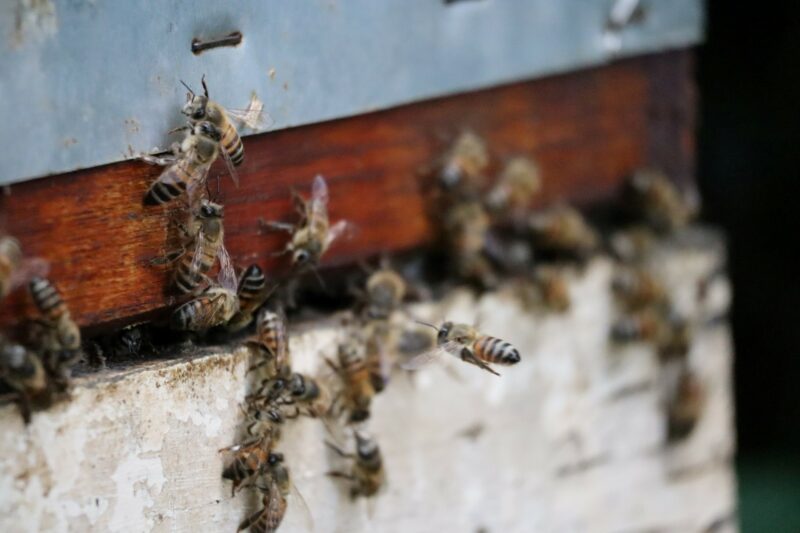
Her background in chemical engineering subtly influenced how she approaches beekeeping. Interested in process optimisation and product development, aligning with the five by-products produced within the beehive: honey, pollen, royal jelly, beeswax, and propolis.
She enjoys applying her technical and creative thinking when developing new honey- and beeswax-inspired products, ensuring their natural properties remain unchanged and that honey and beeswax remain the true heroes of each creation.
From an engineering perspective, she enjoys the technical aspect of how bees work and build. “Bees are little engineers,” she says. Each worker-bee knows her role, and the hive functions like a body working toward one common goal and vision.
At the same time, Chanelle-Marié can appreciate the bees’ flexibility. Engineers are often seen as planners, but nature does not always cooperate. Seasons of little rain or perfect sunshine would still produce an unexpected honey yield. “Beekeeping has taught me not to conform to the rigid ideas I commit myself to,” she acknowledges, “and that it is okay to expect different results despite doing everything right.”
Beekeeping season
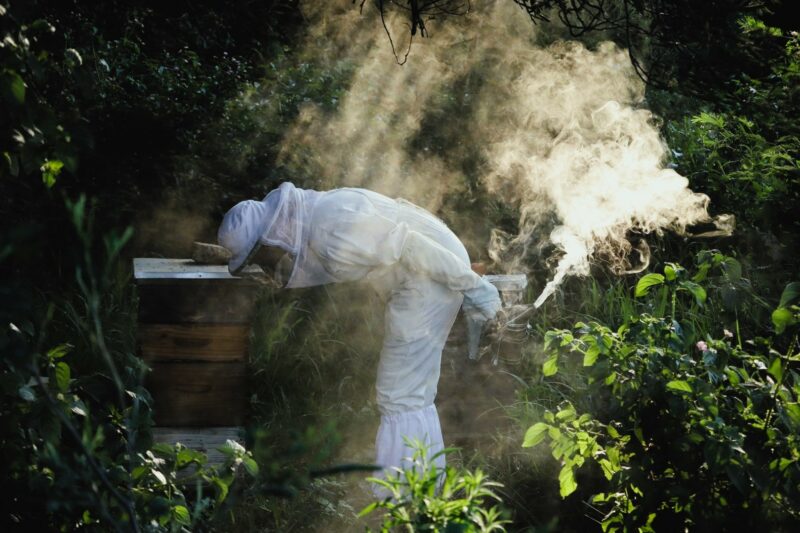
A typical season of beekeeping is dependent on the seasonal nectar flow within the area where the beehive is located. Knowing which flowers bloom in which season makes it easier to determine how often one should visit the beehives. Summer ensures a good nectar flow, and beehives can be checked once a month, every six weeks.
In winter, bees have enough honey stores in the hive and no harvesting is done. However, it is possible for some beehive colonies to continue producing honey, depending on the nectar flow. Maintenance changes to every second month or 10 weeks.
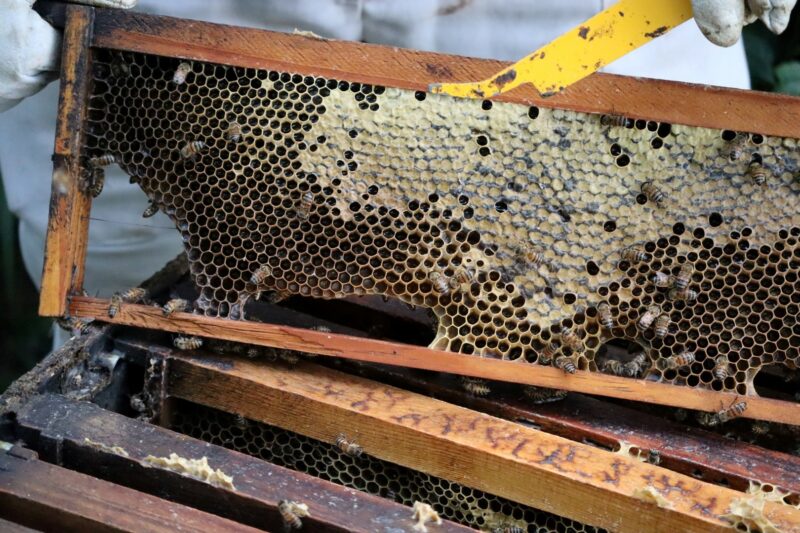
The hard work comes in after the honey is harvested. The frames are removed to decap the honeycomb cells, and then the honey is spun out, strained through sieves and bottled thereafter.
Challenges
As a beekeeper, the biggest challenges of keeping bees locally is the nature element. Drought, extreme rainfall, and runaway fires all have a negative impact on the bees and their hives, as well as pests, when the colonies are weak.
To combat these challenges, beekeepers need to ensure that the beehive is waterproof and in good condition. Additionally, the hives should not be near flood lines or rivers. It is also important to place the hive in an area where there are water and nectar sources.
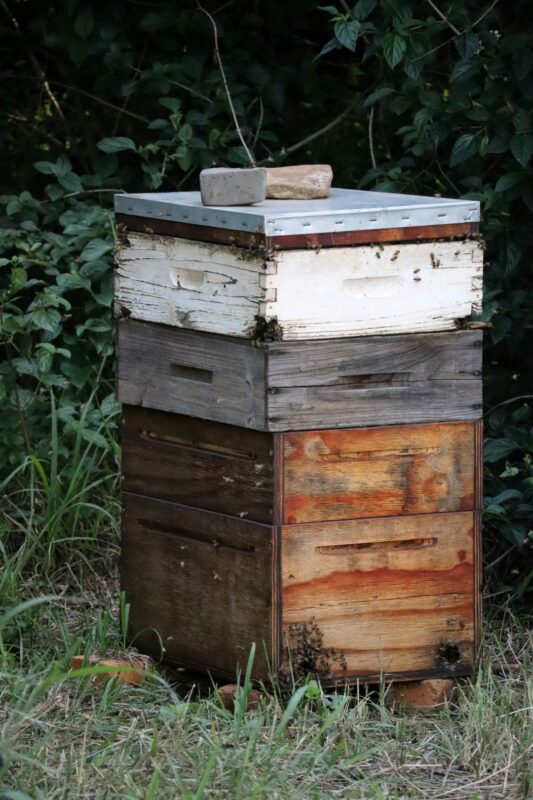
In the case of wild and runaway fires, beekeepers rely on firebreaks and keeping the area around the beehives clear of long grass and dry leaves. Some beekeepers struggle with theft, but thankfully, Chanelle-Marié has not encountered such a problem.
Honeybees contribute to the local environment, as they are great pollinators. They assist in pollinating flowers, enabling plants to reproduce. This enhances the plant diversity, increasing crop yields and food quality, and contributes to the ecosystem.
“Experiencing different parts of nature, and connecting with and building relationships with new people, has been the most rewarding and unexpected part of beekeeping,” Chanelle-Marié said. She keeps her beehives at various locations and feels fortunate to have discovered farms and areas she had not known existed before.
Globally, people are concerned about declining bee populations, due to pesticides, plant deceases and weed elimination. Habitat loss, intensive agriculture and plants modified for self-pollination are among the other contributing factors. Luckily, Chanelle-Marié has not witnessed a noticeable loss or reduction in the bee population in and around Newcastle.
Community support
“Nothing beats opening up a beehive!” she answered when asked if there was a memorable moment with her bees that captured the why she loved this hobby.
“Seeing all the ladies hard at work, with the beautiful honeycomb built out and getting a combined whiff of honey, pollen, pheromones, and beeswax,” is what captures the essence of beekeeping for Chanelle-Marié. For her, that embodies the symbiotic relationship between the bees, the beekeeper and nature.
Friends, neighbours and community response have been overwhelming. Everyone is curious and excited about her bee products. Jokingly, she adds that her family benefits most from her “trial and error” creations.
Understanding bees
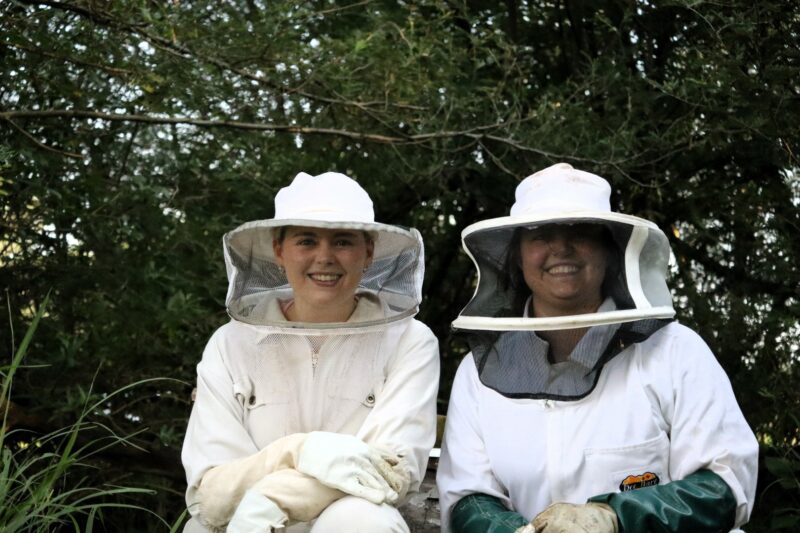
Chanelle-Marié is eager for people not to ‘be scared of bees’
“Bees will only sting if they feel threatened, are in danger, or want to protect the beehive. Not all honey products contain real honey. Many products found in stores are mixed with sugar alternatives such as corn syrups, sugars, molasses, and sweeteners. Lastly, some studies have shown that consuming local honey can aid those suffering from sinus issues.
In the quiet hum of a hive, this beekeeper has found not only honey but also a fellow engineer in nature.
The news provided to you in this link has been investigated and compiled by the editorial staff of the Newcastle Advertiser, a sold newspaper distributed in the Newcastle area. Please follow us on Youtube and feel free to like, comment, and subscribe. For more local news, visit our webpage, follow us on Facebook and Twitter, and follow us on our WhatsApp Channel