Dramatic decline in rhino poaching in KwaZulu-Natal
KwaZulu-Natal records a sharp decline in rhino poaching, including zero cases in January.
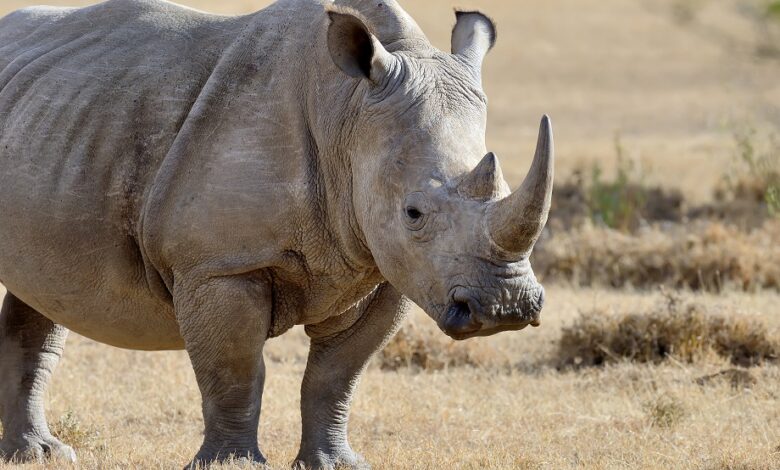
KwaZulu-Natal has recorded a dramatic decline in rhino poaching, marking what many are calling a turning point in the province’s long battle to protect one of its most iconic species.
Figures released this week by Forestry, Fisheries and the Environment Minister Willie Aucamp show that rhino poaching across South Africa dropped by 16% in 2025. But it is KwaZulu-Natal’s improvement that stands out.
In Hluhluwe-iMfolozi Park, long seen as the centre of the poaching crisis, losses fell from 198 rhinos in 2024 to 63 in 2025. That represents a 68% reduction in a single year. Across the province as a whole, the number dropped from 232 to 97.
January 2026 brought an even more significant milestone: not a single rhino was poached anywhere in KwaZulu-Natal. It is the first time in more than ten years that the province has recorded zero poaching incidents for a full month.
Combined strategy delivers results
Ezemvelo KZN Wildlife says the improvement is the result of a combined strategy rather than one single intervention.
Although the dehorning programme introduced in 2024 was intended to reduce the incentive for poachers, officials say the biggest gains have come from better intelligence, stronger coordination and tighter internal controls.
Enhanced security and cooperation
Security measures were strengthened through expanded camera surveillance, sensor technology, drones and aerial support, allowing for quicker detection and response. Formal information-sharing agreements between private reserves, community landowners and conservation authorities have also improved cooperation across conservation areas.
Ezemvelo also implemented an Integrity Management Plan aimed at addressing internal weaknesses. The plan includes polygraph testing and stronger oversight systems, acknowledging that corruption has previously undermined anti-poaching efforts.
Stronger law enforcement partnerships
Law enforcement partnerships have also played a role. Collaboration with the South African Police Service, the Hawks, the Green Scorpions and prosecutors has shifted focus towards building solid cases that lead to successful convictions, rather than simply making arrests.
Conservation organisations including WWF, Save the Rhino International, Wildlife ACT and the Peace Parks Foundation have provided technical and financial support to bolster these efforts.
Public backing strengthens campaign
Public backing has added further weight to the campaign. His Majesty King Misuzulu kaZwelithini has voiced his support for rhino protection as part of the province’s heritage, and religious leaders such as UNyazi lweZulu of the Shembe Nazareth Baptist Church have visited Hluhluwe-iMfolozi Park to show support for rangers.
Warning against complacency
Ezemvelo CEO Sihle Mkhize praised field staff and partners but warned against complacency.
“The fact that we recorded zero poaching incidents in January demonstrates what is possible when we stand united. While we are encouraged by the progress, the fight is far from over,” he said.
Experts caution that poaching networks often shift their focus to other regions when pressure increases in one area. Maintaining funding, political will and consistent enforcement will be key to sustaining the gains.
For now, however, KwaZulu-Natal’s rhinos have been granted something rare in recent years — breathing space.
The news provided to you in this link comes to you from the editorial staff of the Vryheid Herald, a sold newspaper distributed in the Vryheid area.