
The best there never was
WITH THE Aussies giving us such a comprehensive cricket lesson in the first test, I was reminded of the most talented cricketer I have ever known. He was a bloke called Morgan (that was his surname) and this was back in 1962. Morgan, myself and a whole lot of other prepubescent lads had just arrived …
 WITH THE Aussies giving us such a comprehensive cricket lesson in the first test, I was reminded of the most talented cricketer I have ever known. He was a bloke called Morgan (that was his surname) and this was back in 1962.
Morgan, myself and a whole lot of other prepubescent lads had just arrived for our first year of high school at a boarding school, and in the afternoons sport was compulsory. You couldn’t sit around the hostel doing nothing, you had to don the appropriate gear and report to the applicable venue – the swimming pool, the hockey field, one of the rugby fields, the tennis courts, the athletics field or one of the cricket fields.
It was to the cricket field, known as Hospital Field, that we reported. It was known as Hospital Field not because if you played on its stony, dusty, weed-tufted surface you were likely to end up in hospital, but because it was near the school hospital (more a clinic really). I actually spent only one night in the school hospital in all my six years in high school, as a result of a sports injury, not sustained on Hospital Field. I was whacked on the ankle by a hockey ball, and could not walk. I remember that I was piggy-backed to the hospital by a bloke called Horsefall, who, inspired by the experience, I understand went on to become a doctor.
Anyway, a teacher doing extramural duty arrived at Hospital Field, and began by asking those boys who’d played first team cricket at their junior schools to step forward, and maybe, I dunno, ten lads did. Then he asked those who’d played for the B team at junior school to step forward, and once those boys had done so, left behind was the riff-raff including me and young Morgan.
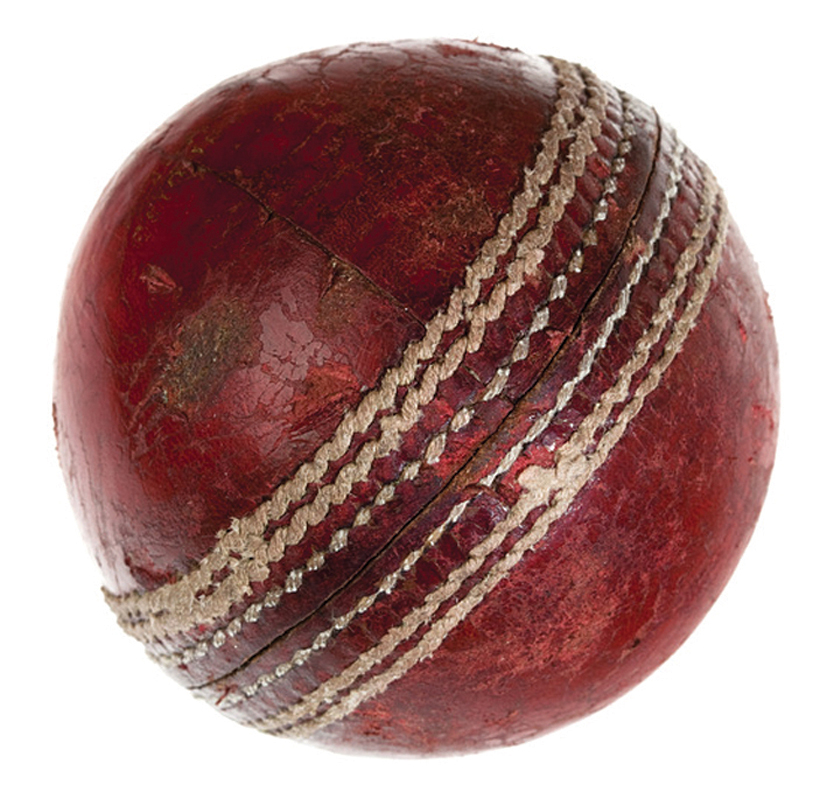
The elite was led off to one cricketing net, given the most serviceable equipment and their practice began. The riff-raff were given cricket balls so scuffed they were no longer red, one or two with the stuffing popping out of a ruptured seam, cricket pads lacking complete sets of buckles and straps to anchor them to our skinny legs, and crickets bats with great chips out of their faces and ends held together with Elastoplast.
The teacher ignored us in the adjoining net, concentrating instead on the elite with a view to selecting a team for the first inter-school match. But as is often the case, the riff-raff was having much more fun than the elite; we all had a chance to bowl and we all had a chance to bat, we had some laughs until told to “Shaddup, you boys!” by the teacher.
Then it was Morgan’s turn to bat. He grabbed a bat, and unlike most cricketers who carry their bats more or less in the manner of a walking stick, Morgan walked to the batting crease with the bat over his shoulder. And that’s more or less how he stood waiting for the ball. Granted, the riff-raff did not include anyone who would eventually evolve into what is called a “strike bowler”, but Morgan hit every single ball, and hit them very, very, very hard.
He wasn’t even standing like a baseball player, he was more upright even than that, and even if the ball was very wide he’d manage to belt it with a force disproportionate to the width of his shoulders. When the hit balls hit the wire fencing between the nets it made them sing, and thus it was that Morgan attracted the attention of the teacher who said, “Come here, you.”
Morgan then had to face the bowlers who had played first team and B team cricket at their junior schools, and he belted them all over the shop. Standing, waiting for them to run up to bowl, he had the bat over his shoulder, all casual like, and yet when the ball reached him he’d smack it in the middle of the bat, very hard. Morgan simply had an exceptional eye for the ball. He never missed.
Then the teacher, who had himself played first team cricket at his junior school once upon a time, said to Morgan, “You’re standing all wrong, and don’t hold the bat over your shoulder like that, put it down there, behind your right foot, no, behind your right foot, yes, like that, and you only lift it up when the ball’s about to be delivered,” so Morgan did, and he missed three of the next six balls. Then he stood his way, and hit the next six for six, I kid you not, and how do you hit a six in the nets? You hit it right over the bowler’s head. “NO!” yelled the teacher, “I’ve told you, you’re standing all wrong!” And he sent Morgan back to the riff-raff, ‘cos he was standing all wrong.
He never played cricket for the school, but he did play one Under 14 inter-house match that year. He came into bat, and batting his way, with the bat held over his shoulder, hit 18 consecutive boundaries, including seven sixes. Then the umpiring teacher said he had to retire because it was “unfair”.
He never played again.
The following year, in winter we were given the choice of playing rugby or hockey (he played hockey), and in summer we were given the choice of playing cricket or tennis, and Morgan chose tennis. He was good at tennis, played for the school’s first teams, but he was great at cricket. He just stood wrong. And that’s the story of Morgan.
Some of it is true. The moral certainly is.