
Are Prasa run by idiots?
What is forgotten in all the fuss is that while the 'Afro 4000' may have been manufactured in Spain, it was designed by local engineers in collaboration with South African university students
Okay, let’s be honest, most train commuters would not know the difference between Prasa and Transnet or the good old railways to be truthful.
Until recently, most taxpayers, commuters and even government officials did not really understand who the hell Prasa was.
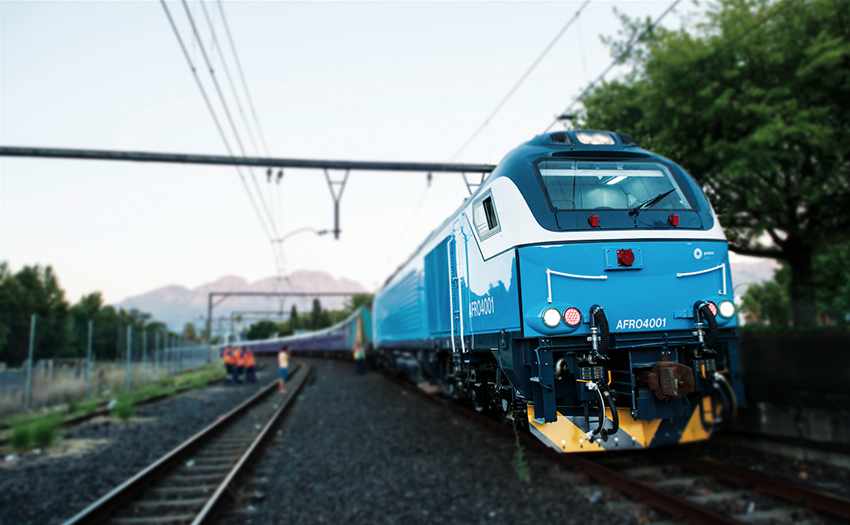
The Passenger Rail Agency of SA (Prasa) is a parastatal now better known than some political parties because they recently imported 13 new diesel locomotives at a cost of R600-million as part of an order for a whopping 70 of the massive locomotives (costing the taxpayer a whopping R3.5-billion) from Spanish manufacturer Vossloh Espaa.
All parastatals rely on government coffers to keep them going.
The blunder Prasa made was, according to everyone and their second engineering cousin, to purchase locomotives, namely the ‘Afro 4000 series’ from Spain and obviously the biggest issue with this is they are too big for our country’s railway network.
The new trains have a roof height of 4.26m, while the maximum height for diesel locomotives for local use may not exceed 3.96m. Local engineers say the locomotives could damage the overhead electrical cables on the country’s rail lines.
What is forgotten in all the fuss is that while the ‘Afro 4000’ may have been manufactured in Spain, it was designed by local engineers in collaboration with South African university students.
All of them obviously ignoring a clear design flaw, the bloody things are too high, period.
This despite Transnet, who lease lines to Prasa and apparently warned Prasa about the issue about the trains before they were ordered.
Remember, they were built to Prasa specifications.
It is not like they took an existing model and purchased it; they designed it too big!
But let’s elaborate on the ‘too big’ part.
Some might say they can just fit under the electrical power lines powering Transnet’s electrical freight train locomotive fleets, so how important can the roughly 30cm actually be?
Well, imagine you have to raise each train bridge and train tunnel by 30cm and you suddenly get the picture. Also imagine what happens when a diesel train accidentally touches a train power cable carrying thousands of volts… You get a big boom!
The 36cm is a safety margin on a normal track, but is crucial under bridges and in tunnels where the cables are lower than normal. An electric locomotive has an adjustable pantograph connecting it to the electrical cable above that are pushed lower as they pass under bridges and through tunnels
No one is denying that Prasa was aware of the problem. So what will they do now?
For the latest news, visit our webpage or follow us on Facebook and Twitter.