
Modern vs traditional Christmas?
Christmas is a civil holiday in many of the world's nations, and is celebrated by an increasing number of non-Christians
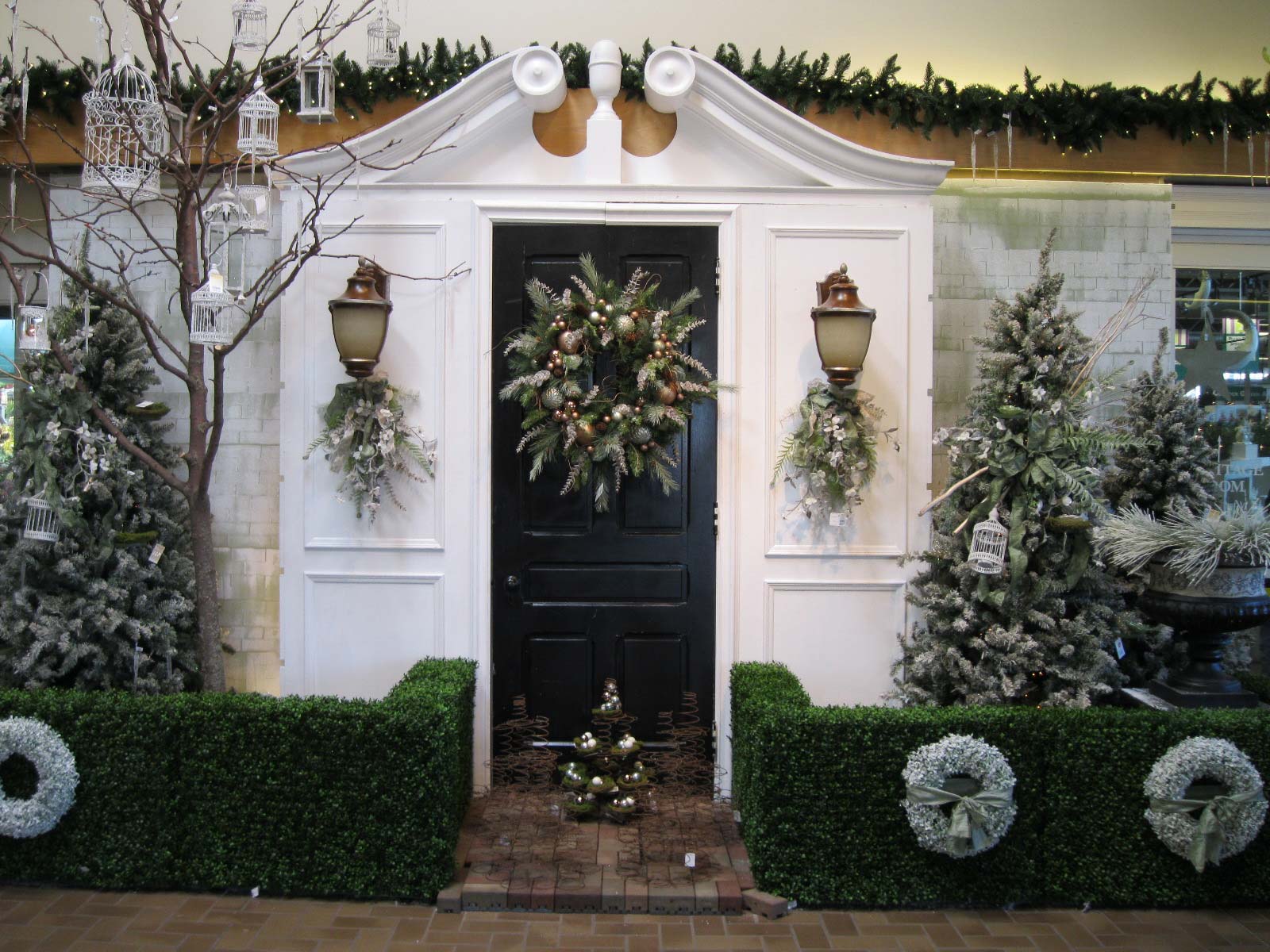
Christmas or Christmas Day (Old English: Crīstesmæsse, meaning “Christ’s Mass”) is an annual commemoration of the birth of Jesus Christ and a widely observed cultural holiday, celebrated generally on December 25 by billions of people around the world.
A feast central to the Christian liturgical year, it closes the Advent season and initiates the 12 days of Christmastide, which ends after the 12th night. Christmas is a civil holiday in many of the world’s nations, is celebrated by an increasing number of non-Christians, and is an integral part of the Christmas and holiday season.
The celebratory customs associated in various countries with Christmas have a mix of pagan, pre-Christian, Christian, and secular themes and origins.
Popular modern customs of the holiday include gift giving, Christmas music and carolling, an exchange of Christmas cards, church celebrations, a special meal, and the display of various Christmas decorations including Christmas trees, Christmas lights, nativity scenes, garlands, wreaths, mistletoe and holly.
In addition, several closely related and often interchangeable figures known as Santa Claus, Father Christmas, Saint Nicholas, and Christkind are associated with bringing gifts to children during the Christmas season and have their own body of traditions and lore.
Because gift-giving and many other aspects of the Christmas festival involve heightened economic activity among both Christians and non-Christians, the holiday has become a significant event and a key sales period for retailers and businesses.
The economic impact of Christmas is a factor that has grown steadily over the past few centuries in many regions of the world.
Christmas Day is celebrated as a major festival and public holiday in countries around the world, including many whose populations are mostly non-Christian.
Countries such as Japan, where Christmas is popular despite there being only a small number of Christians, have adopted many of the secular aspects of Christmas, such as gift-giving, decorations and Christmas trees.
Among countries with a strong Christian tradition, a variety of Christmas celebrations have developed that incorporate regional and local cultures.
For Christians, participating in a religious service plays an important part in the recognition of the season. Christmas, along with Easter, is the period of highest annual church attendance.
In Catholic countries, people hold religious processions or parades in the days preceding Christmas. In other countries, secular processions or parades featuring Santa Claus and other seasonal figures are often held.
Family reunions and the exchange of gifts are a widespread feature of the season. Gift-giving takes place on Christmas Day in most countries. Others practice gift-giving on December 6, Saint Nicholas Day, and January 6, Epiphany.