Ncandu River dubbed a ‘sewage dam’
Nicole Collett Enough is enough; this the latest revelation by AfriForum, KwaZulu-Natal. After months of conducting complex tests of the river water, the results were released to the media on June 30. The organisation claimed when its representatives visited Newcastle Taxi Rank, they discovered the pump station was overflowing, leaking raw sewage directly into Ncandu …
Nicole Collett
Enough is enough; this the latest revelation by AfriForum, KwaZulu-Natal.
After months of conducting complex tests of the river water, the results were released to the media on June 30.
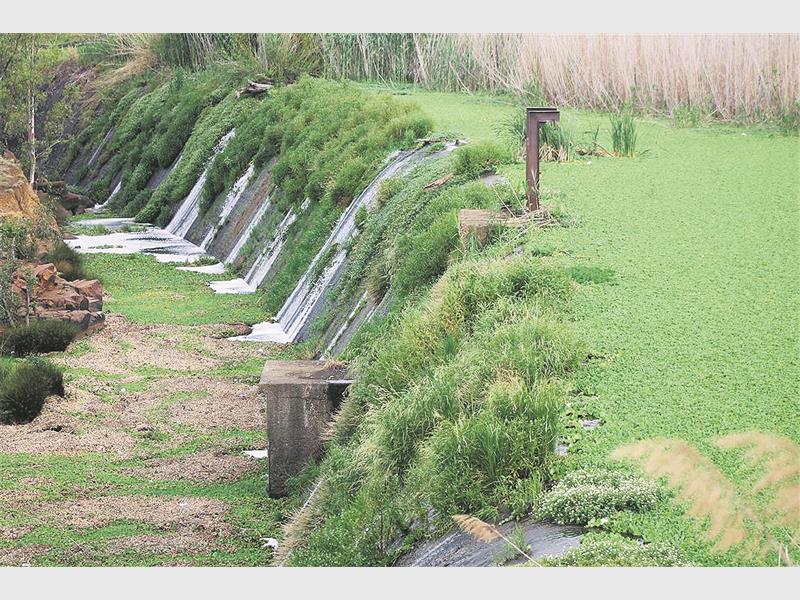
The organisation claimed when its representatives visited Newcastle Taxi Rank, they discovered the pump station was overflowing, leaking raw sewage directly into Ncandu River.
“AfriForum took water samples for testing at SANAS, an accredited laboratory, who found the E. coli count in the water was more than 100 000 units per 100 ml,” said AfriForum Provincial Coordinator, Chris Fourie. “E. coli counts exceeding 1 000 units per 100 ml are damaging to the environment and can result in severe diarrhoea, vomiting and skin infections from either direct contact with the water or by eating fish caught in water which contains the bacteria.”
AfriForum has since placed Newcastle Municipality on terms and demanded a copy of its action plan to clean the river and repair the sewage leaks.
“Ncandu was once beautiful river, but is now a sewage dam. Sanitation and waste water treatment form a vital part of Newcastle Municipality’s service delivery. Its failure is due to poor governance and lack of administration,” alleged Mr Fourie.
He claimed the smell emanating from areas surrounding the river was unbearable; a smell Newcastle residents have become accustomed to.
“We are tired of hearing the municipality is making plans to improve the situation, but nothing happens. We want to see results.”
Mr Fourie claimed there is evidence the sewerage situation in the town is deteriorating rapidly, despite the municipality’s ‘promises to improve it’.
“The mayor and municipal manager ultimately have to take responsibility for this failure,” he concluded.
Concerned residents took to social media on June 30 in an vehement outcry for intervention. Mayor, Afzul Rehman responded, saying: “I cannot physically check if there is any leaking sewage at the moment, but the latest reports says that all our infrastructure that flows into the river have been repaired and there is no leaking sewage currently.”
In response to the release of the results, a resident said the community has heard it all before.
“The parties involved will end up blaming each other for years to come and community and environment will end up suffering,” she alleged. “Instead of blaming each another, I wish the municipality and AfriForum would join forces and actually work for the community they claim to serve.”
With a drought threatening the livelihood of many in the province, Ncandu River is likely to be further impacted.
As the window of opportunity for rehabilitation becomes smaller by the second, the community is disheartened; firm in their belief help may never come.