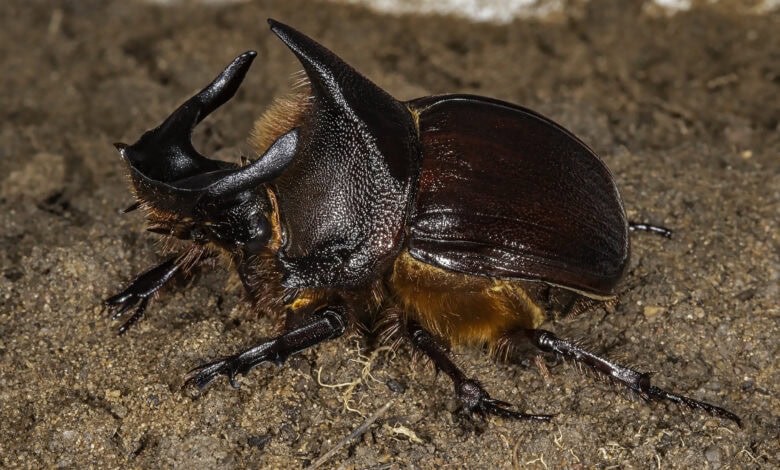
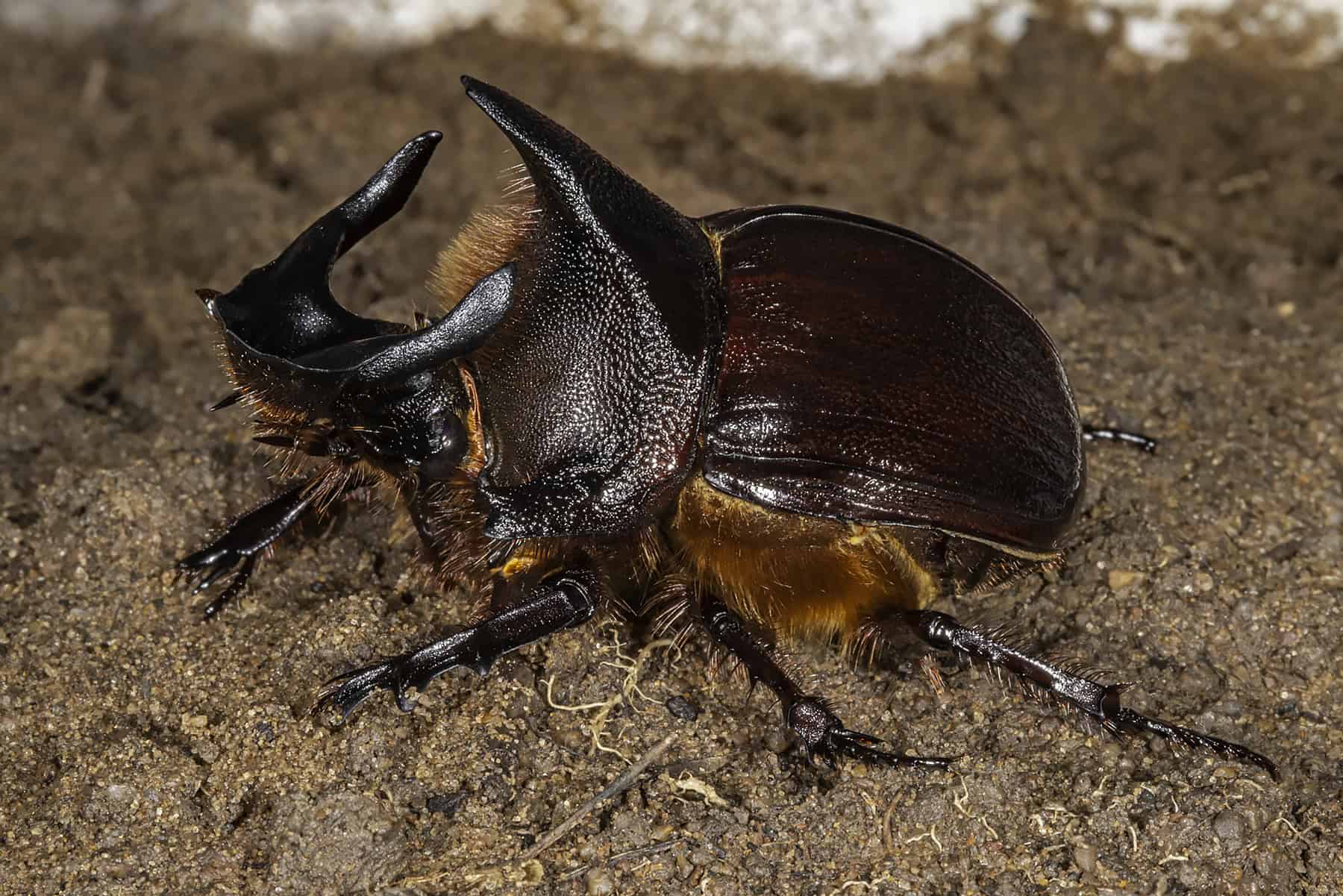
This week my wife, Karen, shepherded me along to a Feathers Bird Club meeting in Parys, where the guest speaker was retired metallurgist Hennie de Klerk from Vanderbijlpark. His subject was the humble dung beetle. We often notice these busy little creatures on our hikes, but until now had no idea just how massive is the job they perform in the natural order.
Hennie is working on a book about the beetles. Today I did a bit of research myself to confirm his startling figures.
Worldwide there are more than 6 000 species of dung beetle, each playing a part in recycling nutrients. Some are highly specialised, working almost exclusively on the immense piles of droppings left daily by elephants – sometimes up to 150kg in a single day. Hundreds of beetles converge, rolling and burying the dung, a service that fertilises the soil, nourishes the savannah, and supports countless other forms of life.
But the beetles’ survival is tied directly to the fate of elephants. On Africa’s great plains, elephant numbers stood at around 1.3 million in 1979, but since then have suffered a decline of about 70%. By 2016, the total population had fallen to between 415 000 and 540 000. As elephants disappear, so too do the specialised beetles that depend on them.
The contrast with human population growth could not be starker. Africa’s people numbered about 283 million in 1960; today there are more than 1.5 billion, and the figure is expected to rise to 2.5billion by 2050. The United Nations projects that Africa’s share of the world’s population will increase from 17% to 25% in that time.
The fate of the dung beetle, then, becomes a small but telling mirror of the larger crisis; as human numbers explode, the living space for wild creatures shrinks, and with them the ecological services on which all life ultimately depends.
Yet, what is striking is how little these devastating statistics disturb us anymore. We read of elephants vanishing, forests shrinking, rivers poisoned, and we shrug, carrying on as if tomorrow will somehow look after itself. We deplete the planet with a kind of reckless entitlement, as though there were always more to take, more to use, more to waste.
But the warnings are there if we care to listen. Indicator species like dung beetles are sounding the alarm. Their dwindling numbers tell of deeper fractures in the natural systems that sustain all life – including our own. Ignore the beetles and elephants, and in time we ignore the collapse of soils, grasslands, water, and climate.
Hennie made the sobering point that subjects such as climate change and extinction have almost become forbidden in polite conversation, pushed aside by indifference or drowned out by the propaganda of industrial interests. To even raise them, risks being labelled alarmist.
Understating matters, he suggested that humanity seems unable to rid itself of the illusion that we can do what we like, and that somehow nature will obediently take second place. It was a quiet reminder at the bird club that even the smallest creatures – rolling their dung balls across the African veld – are telling us something urgent about our future.
* The next Feathers Bird Club meeting is on September 25 at 18:30 at Sally Martin Park. Club members and those interested can look forward to a bird quiz.
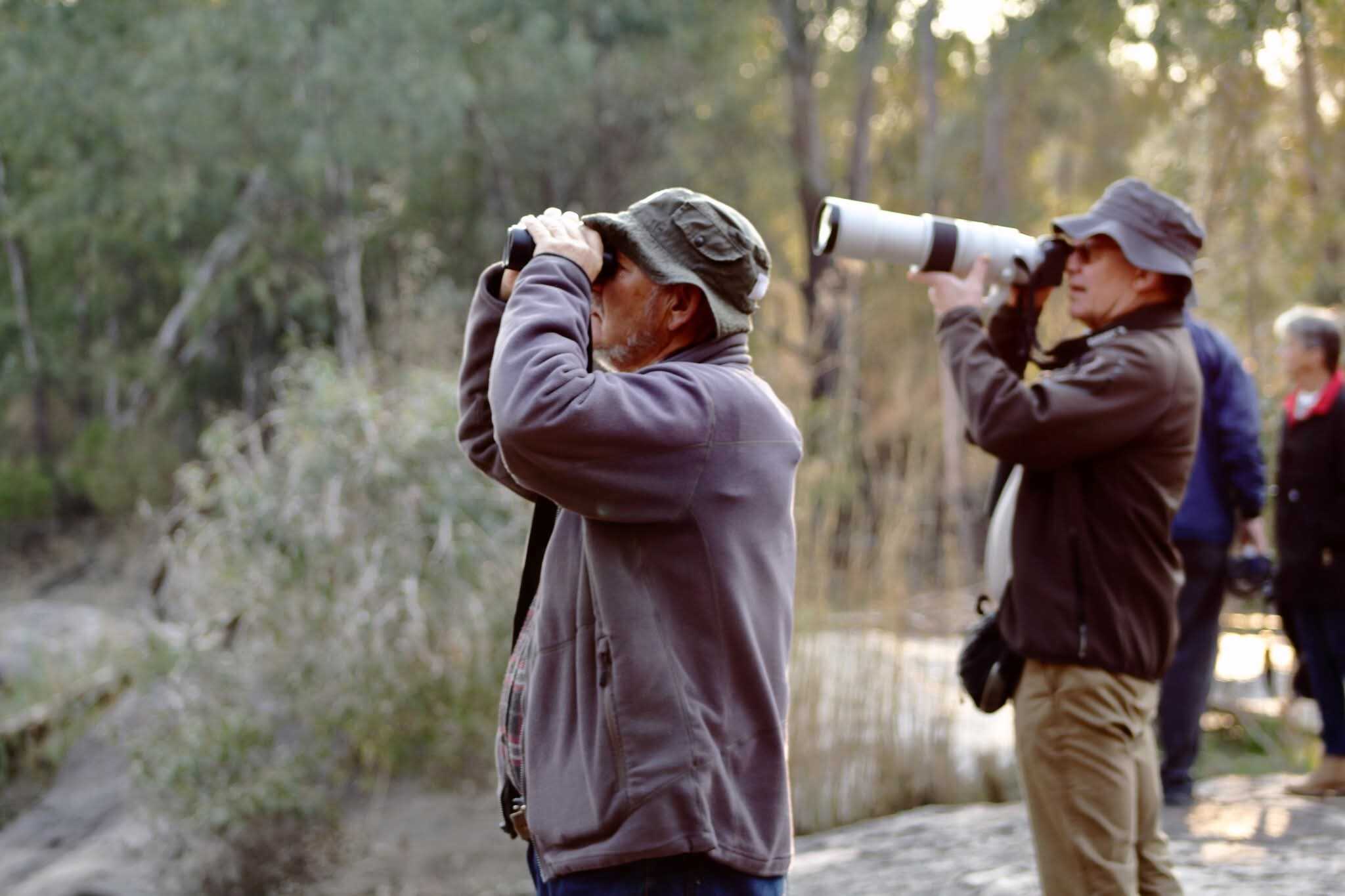
Graeme and Karen Addison as their hosts. Although the birds tried their best to hide, 36 species were
spotted by club members. Photo: Marisa Louw