Rescued gulls spread their wings
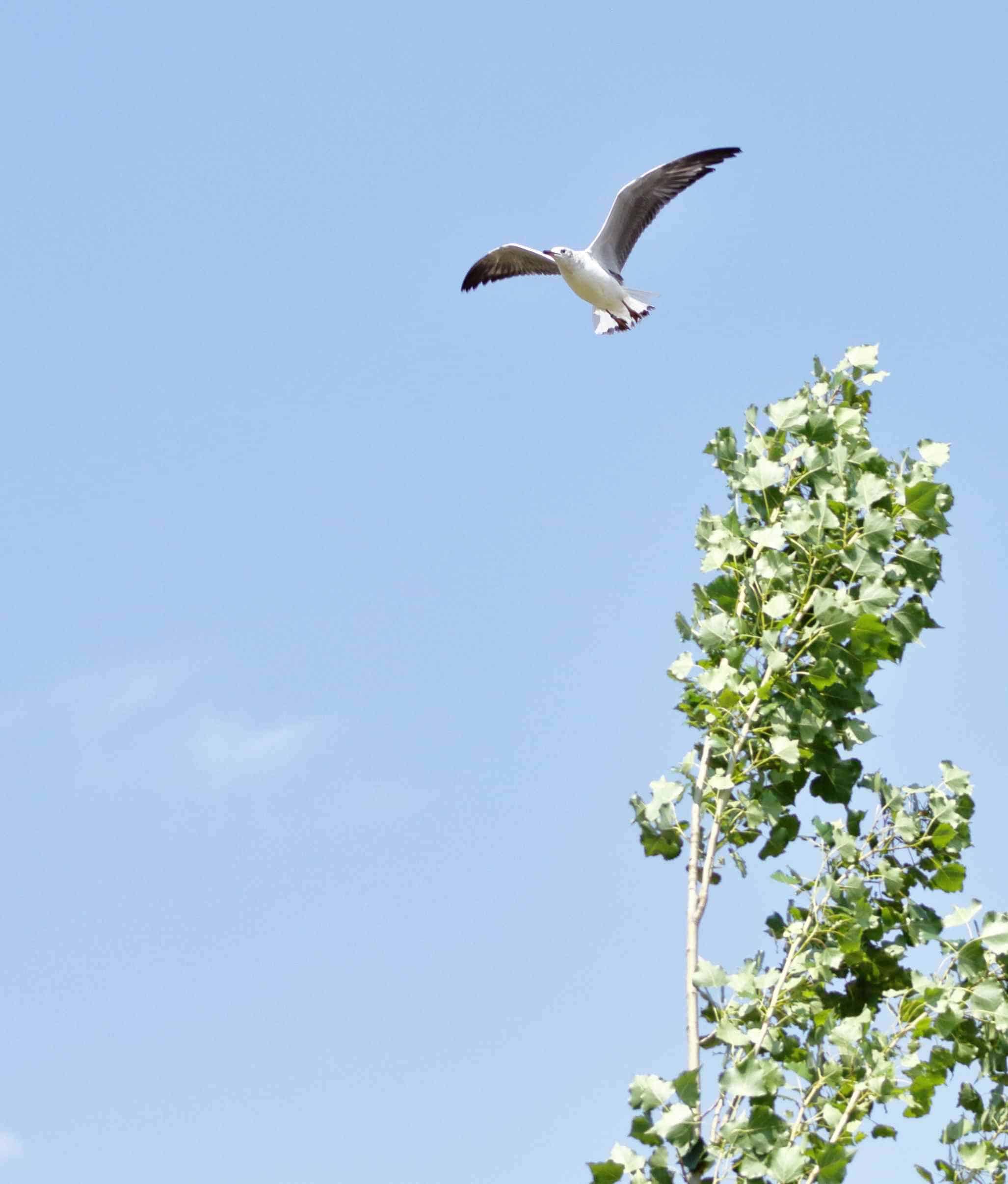
Visitors watched in quiet wonder as the gulls circled freely - a powerful symbol of resilience and hope.
Every year, bird lovers around the world unite to celebrate World Migratory Bird Day, which this year falls on October 11. The campaign highlights the importance of migratory birds and the habitats that support them. This year’s theme, “Shared Spaces: Creating Bird-Friendly Cities and Communities”, — encourages people to make room for nature in the places where they live, work, and relax.
In the two weeks leading up to this day, the Parys birding community held several events that reflected the theme in action. Birdwatchers, researchers, and volunteers worked together to show how people and birds can co-exist.
Birding is more than a hobby
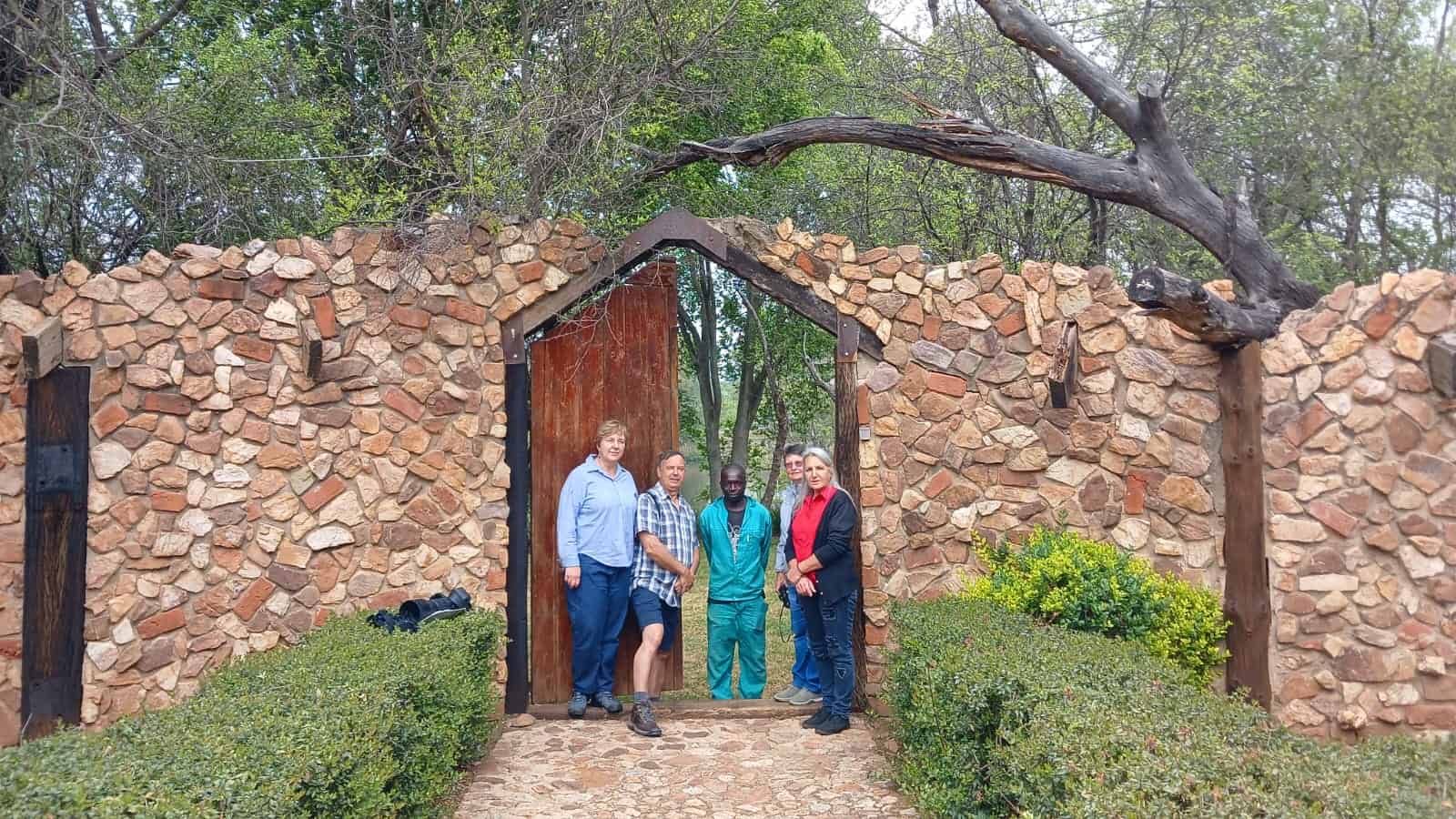
On September 27, members of the Feathers Bird Clubvisited The Savannah Africa for a morning of birding. Despite the chill, the group set off on an open game drive vehicle. Guided by Anyway, whose knowledge and humour kept everyone engaged, they recorded 31 bird species and spotted several animals. For the club, birding is more than a hobby — it connects people to the natural world and builds appreciation for the wildlife around Parys.
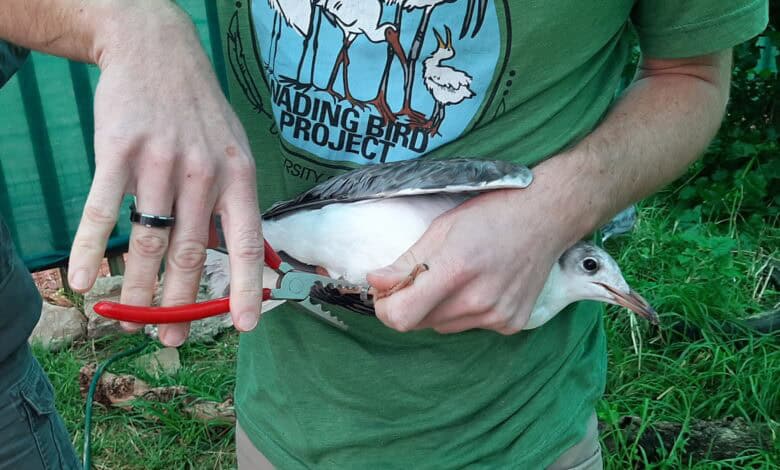
That same day, Parys WADER hosted the ringing of Grey-headed Gulls in collaboration with SAFRING BirdLife Northern Gauteng Region’s ringer, Pieter du Plessis, and Dr Jonah Gula from the University of KwaZulu-Natal.
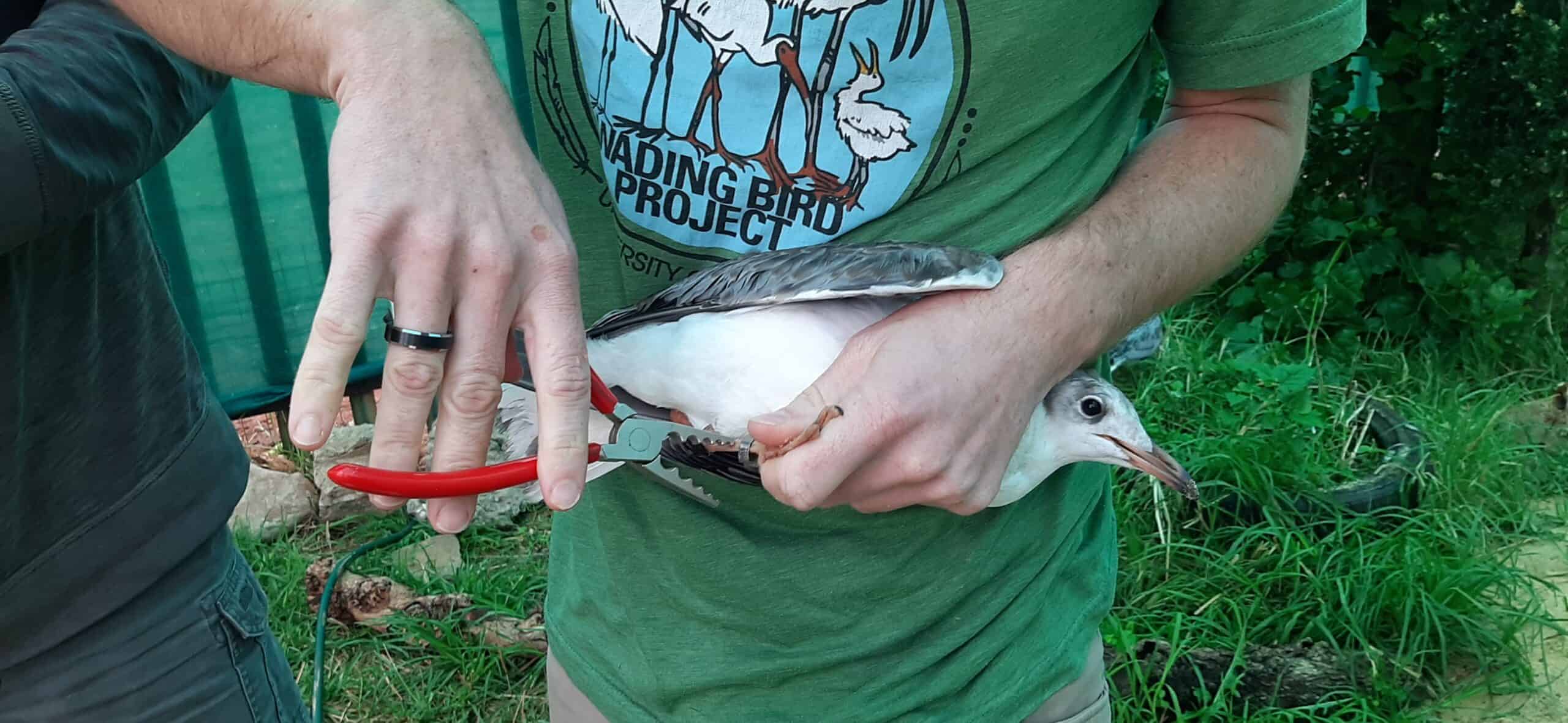
Although these gulls are not long-distance travellers, they are local migrants that move between inland and coastal wetlands as water and food conditions change. The longest recorded movement of a Grey-headed Gull in southern Africa is 2 177 kilometres, showing how adaptable these birds can be. Each gull received a small metal ring with a unique number recorded in the SAFRING database. Over time, these records will help researchers understand bird movements and survival rates. This project shows how local work adds value to global conservation efforts.
Rescued Gulls released
A week later, on October 4, community members returned to Parys WADER for the soft release of the Grey-headed Gulls. These Gulls were part of the 176 Grey-headed Gull chicks and 200 eggs, rescued by members of the SA Wildlife Rehabilitation Centre, from a nesting site that was scheduled for construction. After weeks of care, the birds lifted off into the clear blue skies above Parys.
These events remind us that conservation begins in our own backyards. By protecting wetlands, reducing pollution, planting indigenous trees, and creating safe spaces for birds, every community can play a role in keeping migratory species safe along their journeys.
South Africa is home to many migratory species — from the White Stork and Barn Swallow that travel thousands of kilometres each year, to the White-winged Flufftail, Woodland Kingfisher, and the Lesser Flamingo, which moves within Africa in search of suitable habitats. By protecting wetlands, reducing pollution, planting indigenous trees, and creating safe nesting spaces, every community can help keep these travellers safe on their journeys.
As the world marks World Migratory Bird Day, Parys shows what can happen when people work together — creating spaces where both people and birds can thrive.
Feathers Bird Club
Anyone who enjoys birding is welcome to join the Feathers Bird Club and contribute to the initiatives and activities they offer. Interested parties can contact Martin Wolmarans (0828512121), Marisa Louw (0649635386), or Tertia Pretorius (0832877470) for more information.
* Marisa Louw is the Founder of Parys Wetland Avian Development and Emergency Rescue (WADER), a member of Feathers Bird Club Parys, and a volunteer for the Parys Wetland Park Project.