Non-payment and electricity theft must stop, says Ngwathe
The municipality says an amnesty period has been given in the past to defaulters, after which action was taken with Operation Tsipolla to act against those who do not pay. Unfortunately, cooperation from the public has not been received, and officials are often prevented from carrying out their duties, Ngwathe says.
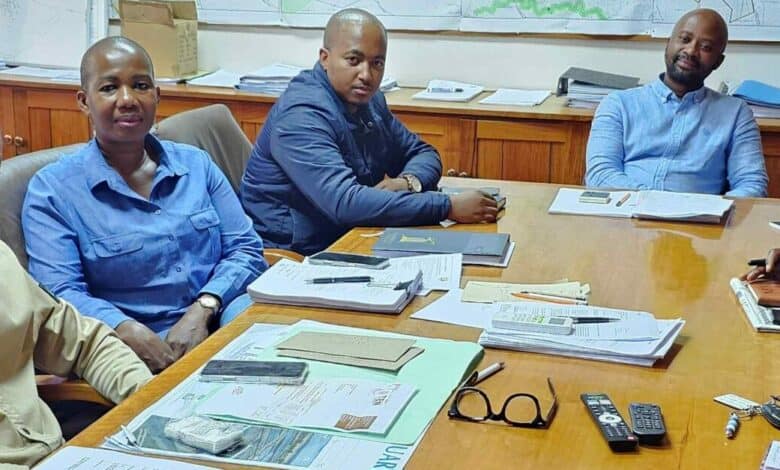
Ngwathe’s management said in an interview with the Gazette on Friday that people from all communities in Ngwathe are failing to pay for electricity consumption.This includes households and businesses, as well as businesses operating from residential premises that are not correctly zoned and who fail to pay the applicable tariffs.
“The culture of non-payment and power theft results in the municipality not being able to pay its monthly Eskom bill, which averages between R40m and R45m,” says the municipal manager.
The municipality says 14-day notices to cut the power supply of defaulters who do not have a payment agreement with the municipality were issued, and electricity will be cut at these addresses on February 28, in line with the municipality’s approved credit control policy, unless payment is received.
They added that this would result in high reconnection fees for those affected.
The municipality says an amnesty period has been given in the past to defaulters, after which action was taken with Operation Tsipolla to act against those who do not pay. Unfortunately, cooperation from the public has not been received, and officials are often prevented from carrying out their duties, Ngwathe says.
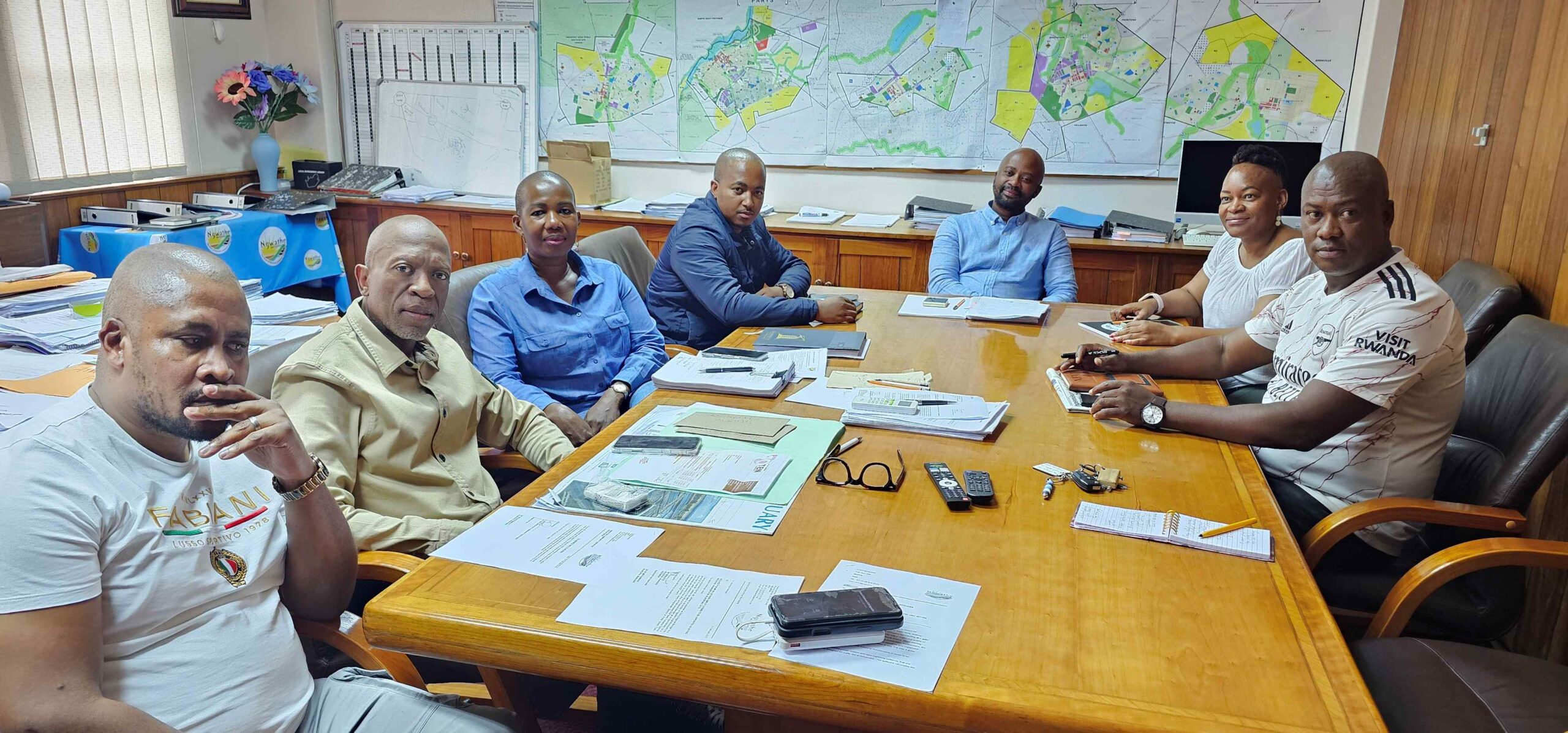
The municipality further said electricity meter audits were conducted in July 2024, and ongoing meter audits will be intensified with associated fines for households and businesses where meters are found to have been tampered with or bridged, Municipal management said a small number of electricity meters are currently available at the municipality for consumers who need to replace meters, and promised that more meters will be made available.
R2m has also been allocated in the Adjustment Budget for phase 1 of the installation of smart meters which includes 250 three-phase meters, and approximately 200 single-phase meters, management said, The purpose of the smart meters is to prevent power theft.
The municipality says it is in constant discussion with the national and provincial Treasury about the Eskom issue in an attempt to address the debt crisis. Ngwathe’s power problems have been there for years, and the municipality says that although it is committed to solving them, the power crisis, including frequent power outages and problems on the municipal network, cannot be solved overnight. Substations are old, and there are numerous problems on the power network in addition to ongoing theft and vandalism.
“This, together with non-payment and power theft, is causing a domino effect worsening the crisis,” says Ngwathe.