The price Wetlands pay for overharvesting, human encroachment, and excessive flooding
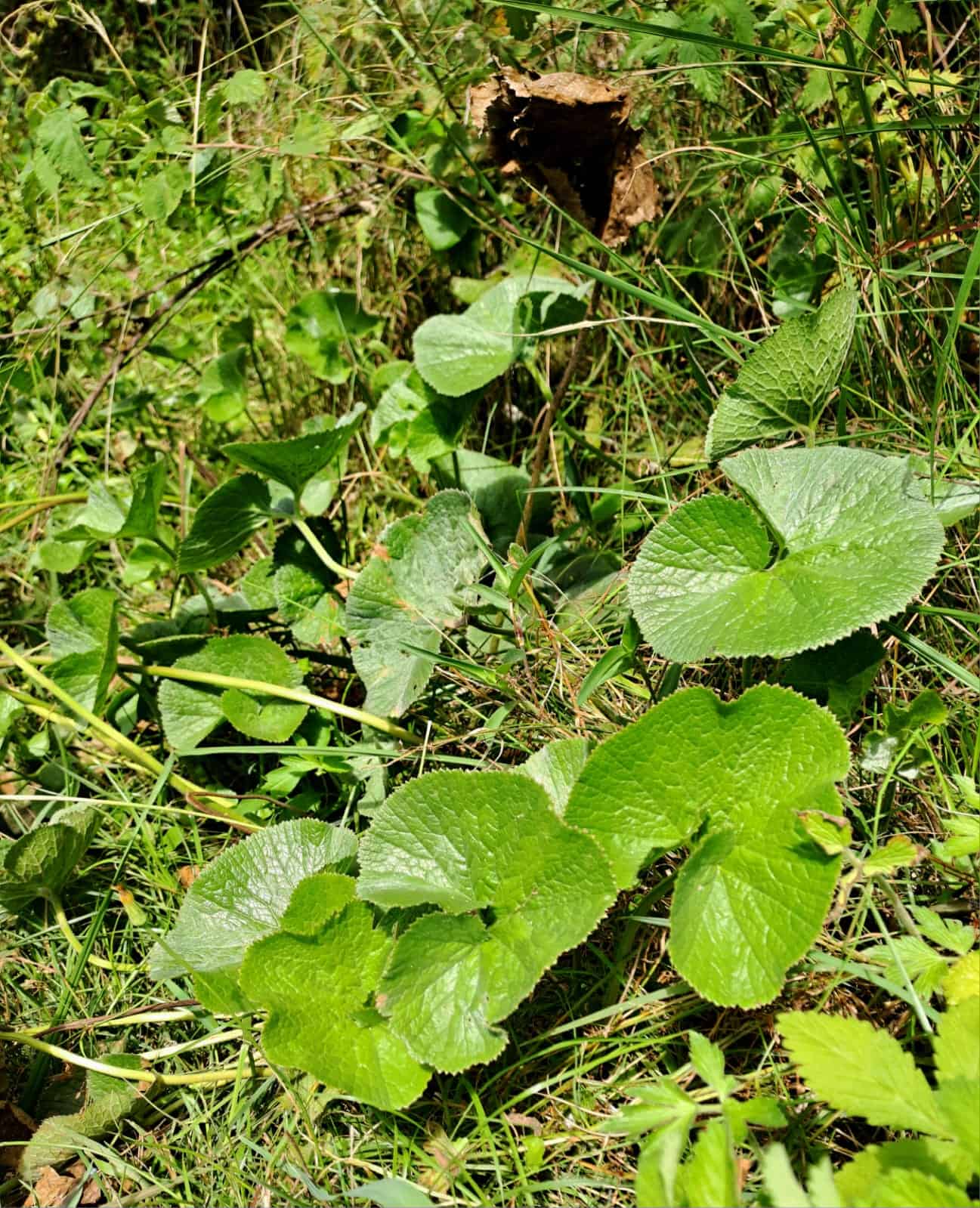
The River pumpkin once grew abundantly in the vicinity of the Parys Wetland Park area.
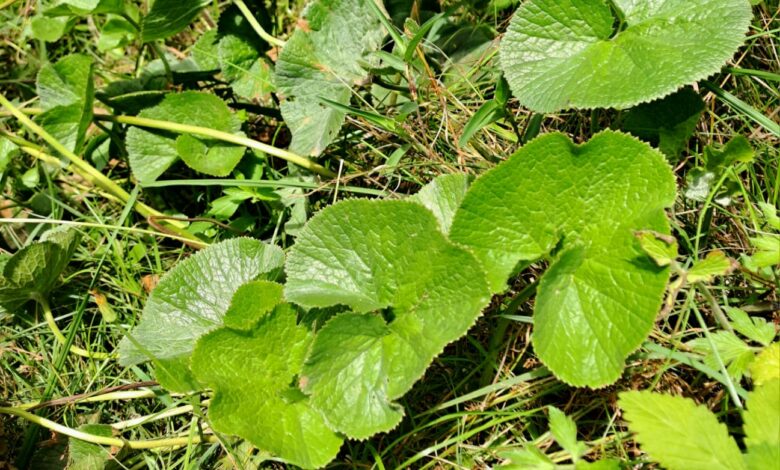
t is nowhere near a pumpkin except for the resemblance created by its strikingly large leaves.
Gunnera perpensa, also known as the River pumpkin (Rivier pampoen) or Qobo, is a very special wetland plant, but has basically vanished from most of the area.
These are ancient plants, appearing in fossil records as far back as 95 million years ago, which is reflected in the Gunnera species’ range extending over the old Gondwanan continents. South America boasts the bulk of species occurring on the continent, with enormous and imposing species such as Gunnera manicata, which can easily reach lengths of 3 m.
New Zealand on the other hand hosts the smallest species, Gunnera monoica, with miniature leaves of around 1–3 cm.
Under ideal conditions, our Gunnera reaches heights of about 1 m in full sun, semi-shade, and even shady conditions, provided there is enough moisture, as they thrive with “wet feet.”
These plants also have the ability to fix their own nitrogen in the soil with the help of a symbiotic relationship with nitrogen-fixing cyanobacteria, and they can form dense, showy colonies, adding extra protection against soil erosion.
At one point, Gunnera perpensa could be found in scattered colonies next to the Vaal River banks and islands, as well as streams feeding into the river.
Gunnera perpensa root decoctions are a favoured traditional gynaecological practice, and other traditional uses include relieving colds, rheumatic pains, psoriasis, and even use as wound dressings.
Even in cultivation, our native Gunnera perpensa is shockingly few and far between, despite the fact that they grow without any fuss or care once established and multiply profusely.
With their abundant uses in traditional medicine and healing, our native Gunnera might have the potential to become a sustainable natural resource and entrepreneurial opportunity, provided it is grown, harvested, and managed in a sustainable manner.