
Independent workshops under pressure as fuel price hikes hit consumers and small businesses
Additional fuel hikes wil deepen the pressure on both consumers and small businesses.
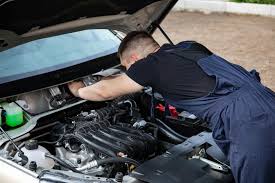
South Africa’s rising fuel prices, particularly the sustained increase in diesel, are placing growing strain on independent automotive workshops, many of which are small businesses already operating in a challenging economic environment.
According to Dewald Ranft, Chairman of the Motor Industry Workshop Association (MIWA), the knock-on effect of higher fuel costs is now being felt directly on workshop floors across the country.
“Independent workshops are often the first to feel the impact when consumers are under financial pressure,” says Ranft. “As fuel prices rise, motorists are forced to prioritise essential spending, and unfortunately vehicle maintenance and repairs are often delayed. This often impact the roadworthiness of vehicles and contributes to the high number of road accidents and fatalities.”
Ranft notes that MIWA members are reporting a noticeable decline in bookings, particularly for non-urgent repairs and preventative maintenance.
“We are seeing fewer vehicles coming through workshop doors. While this may seem like a short-term saving for consumers, delaying maintenance can lead to more serious and costly issues down the line,” he explains.
Beyond the immediate slowdown in business activity, the longer-term implications for the sector are concerning. Many independent workshops operate on tight margins, and a sustained drop in customer volumes could place their viability at risk.
“These are predominantly small and medium-sized enterprises that play a critical role in local economies,” says Ranft. “If the current trend continues, we could see increased business closures, which inevitably leads to job losses – something South Africa can ill afford in the current climate.”
The financial strain on consumers is also affecting decisions around parts replacement and insurance-related repairs. Ranft points out that many motorists are increasingly unable to afford insurance excess payments, resulting in delays or cancellations of necessary repair work.
“This has a ripple effect across the value chain,” he says. “Workshops, parts suppliers, and ultimately vehicle safety are all impacted when essential repairs are postponed.”
Looking ahead, the outlook remains uncertain, with further fuel price increases anticipated in May, alongside potential adjustments to the fuel levy.
“The expectation of additional fuel hikes will only deepen the pressure on both consumers and small businesses,” warns Ranft. “It creates a cycle where reduced disposable income leads to reduced workshop activity, which in turn impacts business sustainability.”
Ranft says any form of government intervention would provide much-needed relief.
“Support measures aimed at easing the burden on consumers at the pump would go a long way in stimulating activity across the automotive aftermarket,” he says. “In addition, consideration should be given to targeted relief or concessions for small businesses to help them navigate this difficult period.”
Despite the challenging environment, Ranft emphasises the resilience of the sector but cautions that ongoing pressure cannot be sustained indefinitely.
“Independent workshops are incredibly resourceful and committed to serving their communities,” he concludes. “However, without some relief and a stabilisation in costs, the pressure on these businesses will continue to mount.”