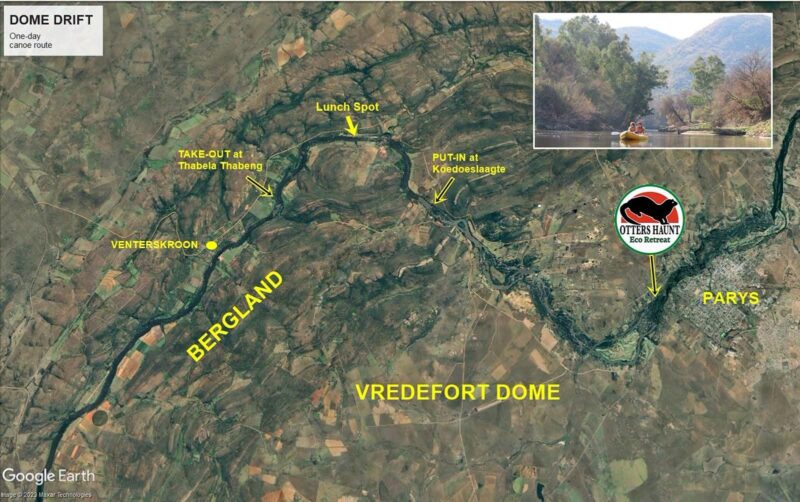
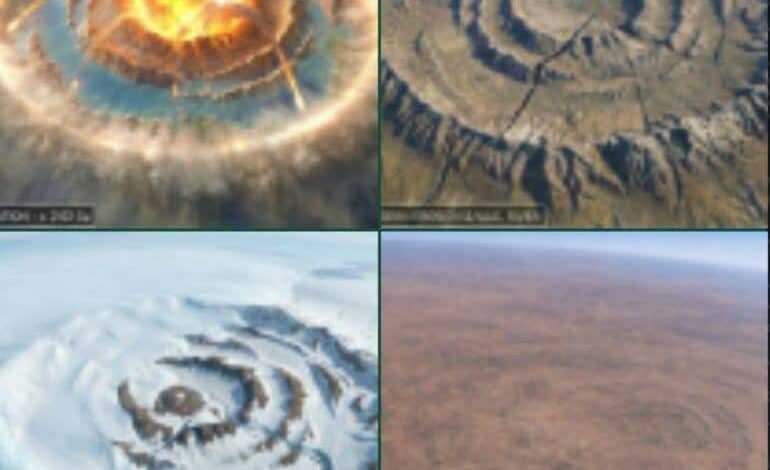
Take a look at these drawings. They were done on my instructions – not quite perfectly but far better than anything I could have produced. In the past I would pencil-sketch a graphic then attempt to do it with Canva or some other software.
I’m no artist, and even with Canva’s templates, flexibility and power I just couldn’t accomplish what I wanted. AI was the answer to my problem. And it can only get better.
A friend in the IT sphere says AI is simply “algorithms teaching algorithms”, the smartest short definition I’ve heard. Layer upon layer of machine “learning” goes into its language model, data retrieval and task construction.
But another friend – a real artist – has taxed me with not asking someone with talent to do my drawings for me. Am I stealing the jobs of human creators? One answer to this is that I never did ask someone – or pay them – to draw for me.
But the point is taken. Jobs are being lost and careers ended.
Yet, another graphic artist that I know has revived her career by using AI as the platform for her creativity. It doesn’t bother her a bit that clients complain that they checked and found AI had a hand in her work (GPTZero and originality.ai among others do this checking).
AI helped her but didn’t originate the visual concepts or even finish the work which she usually takes to Canva afterwards.
I make no excuses for using ChatGPT and other AI tools to spare me time, drudgery and – yes – expense if ever I needed human help. But for now I don’t.
What I will need for these scientific concept illustrations is the input of geophysicists to correct my ideas – so that the drawings can be improved. As a journalist I am certainly no expert on the field of impact cratering. All I know is what I learn from scientific papers, media and ground observations.
The best computer there is – the human brain – assembles this knowledge and gives it back to me as something I can write about and try to depict colourfully. What exactly happens in the brain remains as mysterious to me as the inner workings of AI.
Recently I have been rereading Lynn Margulis’s groundbreaking book Microcosmos. Margulis quotes the philosopher William Irwin Thompson reflecting on the possibility that technologists could ultimately prevail and leave only animal remains behind. Whether he meant this as prediction, warning or provocation is not entirely clear. Nor is it obvious that Margulis herself agreed with such a view. I certainly do not.
Human beings are not simply information processors. We are living creatures embedded in families, cultures, landscapes and histories. We love, grieve, dream, hope and struggle. No machine has yet demonstrated anything remotely comparable to the richness of human experience.
The brain runs on electrochemical signals, emotions, memory, intuition and bodily experience. AI, by contrast, is a digital construct built from mathematics, data, algorithms and vast computing power.
The two systems arrive at answers in very different ways. We still do not fully understand how consciousness, imagination, insight and creativity emerge from billions of neurons. Neuroscientists continue to debate fundamental questions about how the brain generates meaning and awareness.
In a curious parallel, most users of AI have only a hazy understanding of what happens inside the immense computational structures that produce a convincing paragraph, image or solution. Both systems often appear mysterious from the outside, even though one is biological and the other technological.
What AI does do extraordinarily well is supplement human capacities. It can retrieve information at astonishing speed, identify patterns in vast datasets, assist with routine tasks, generate drafts, visualise concepts and help organise complexity. In many respects it functions as an intellectual amplifier.
Just as calculators extended our mathematical abilities and vehicles extended our physical mobility, AI extends certain aspects of our cognitive reach.
The danger is not that machines become human. The greater danger is that humans begin behaving like machines, surrendering curiosity, judgement and responsibility to automated systems. Used wisely, AI can free us from drudgery and leave more time for the things that make us distinctly human: exploration, creativity, empathy, wisdom and the search for meaning.
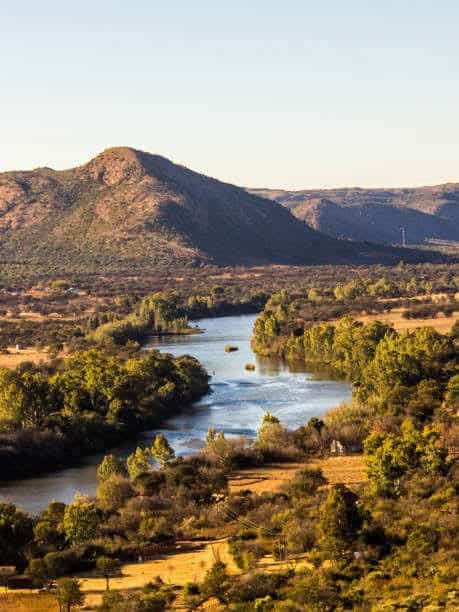
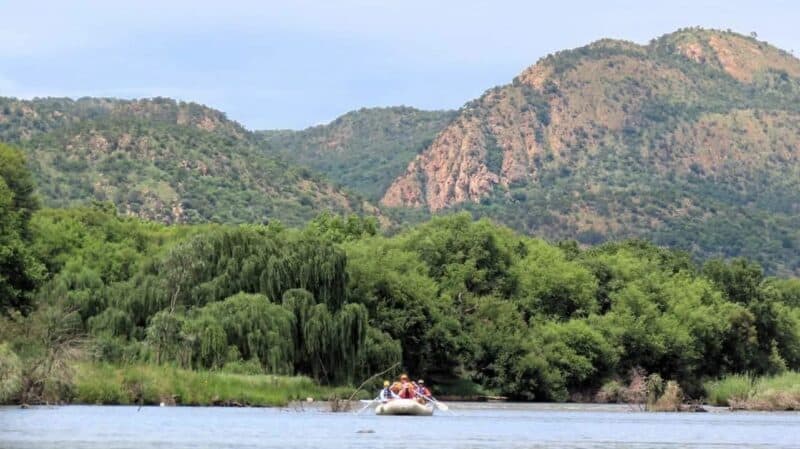
* Join Professor Greame Addison (084 245 2490) on a Dome Drift, a leisurely float down the Vaal between the mountains of the first ring of the crater.