
Gender-based violence: Behind every statistic are real women and children
Gender-based violence (GBV) can be physical, sexual, emotional, economic, or technologically facilitated. It includes any act of violence that harms someone because of their sex or gender identity and is unequal, systemic, and driven by power or control.
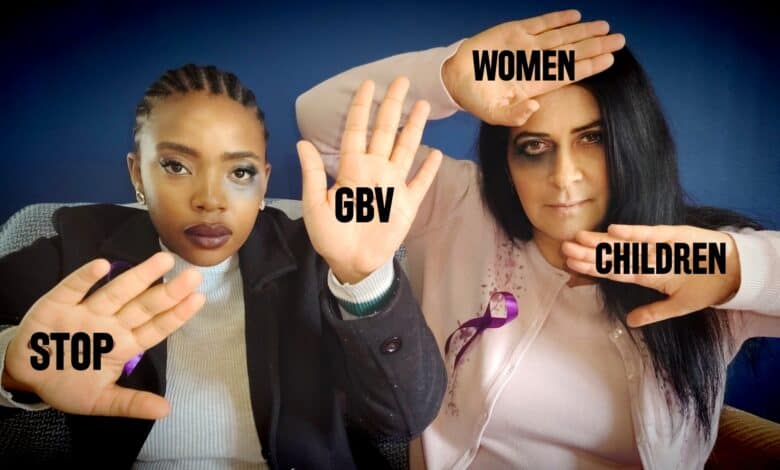
Digital violence is one of the focus areas of this year’s 16 Days of Activism Against Violence on Women and Children campaign. This international campaign takes place annually from November 25 till December 10.
The theme for the campaign emphasizes “whole-of-society accountability”—that is, the collaborative responsibility of various sectors to combat violence. This year’s theme, announced by the United Nations, is “Unite to end digital violence against all women and girls.”
What is Gender-based violence?
According to the Parys Community Police Forum (CPF), gender-based violence (GBV) can be physical, sexual, emotional, economic, or technologically facilitated. It includes any act of violence that harms someone because of their sex or gender identity and is unequal, systemic, and driven by power or control. It also encompasses inequalities driven by social norms or institutions—patriarchal norms and power structures, discrimination in schools, workplaces, or access to services—that make women and children vulnerable.
Digital violence includes, among other things, online harassment, cyberbullying, revenge pornography, doxxing (the publication of personal information), anonymity-based aggression (using anonymous social media accounts to target someone), impersonation, threats via email or social media, and hate speech.
Parys CPF believes that there is no excuse for digital and/or online violence. Online spaces should empower women and girls but have instead become a minefield of harassment, abuse, and control. What may start small on a screen—a message, a comment, or a post—can quickly escalate into a stream of threats and real-world violence. Private photos are stolen without consent. Lies spread within seconds. Locations are tracked. Artificial Intelligence is weaponized to create deepfakes designed to shame and silence women.
Let us therefore stand together for a world where technology is a force for equality—not harm.
According to the United Nations, statistics show that 1 in every 3 women experience gender-based violence in their lifetime; 58% of women and girls experience digital violence; and 90% of deepfakes are sexual images of women.
Behind every statistic are real women and children. Journalists who stop writing after death threats, activists who delete their accounts to protect their families, girls who lose confidence before they even find their voices, women who are stalked, raped, or even murdered.
The harm may occur online, but its impact is painfully real and seeps into homes, workplaces, and communities. Misogynistic content fuels abuse and spreads disinformation and hate. When these toxic ideas go viral, they shape how entire generations see and treat women and girls.
Victims of GBV often experience multiple consequences, such as trauma, health problems, economic dependency, and social stigma.
In South Africa, both the Domestic Violence Act 116 of 1998, as amended by the Domestic Violence Amendment Act 14 of 2021 (DVA), and the Criminal Law (Sexual Offences and Related Matters) Amendment Act 32 of 2007 (SOA) place a duty on the South African Police Service (SAPS) to assist victims of GBV, including helping them obtain a protection order against perpetrators.
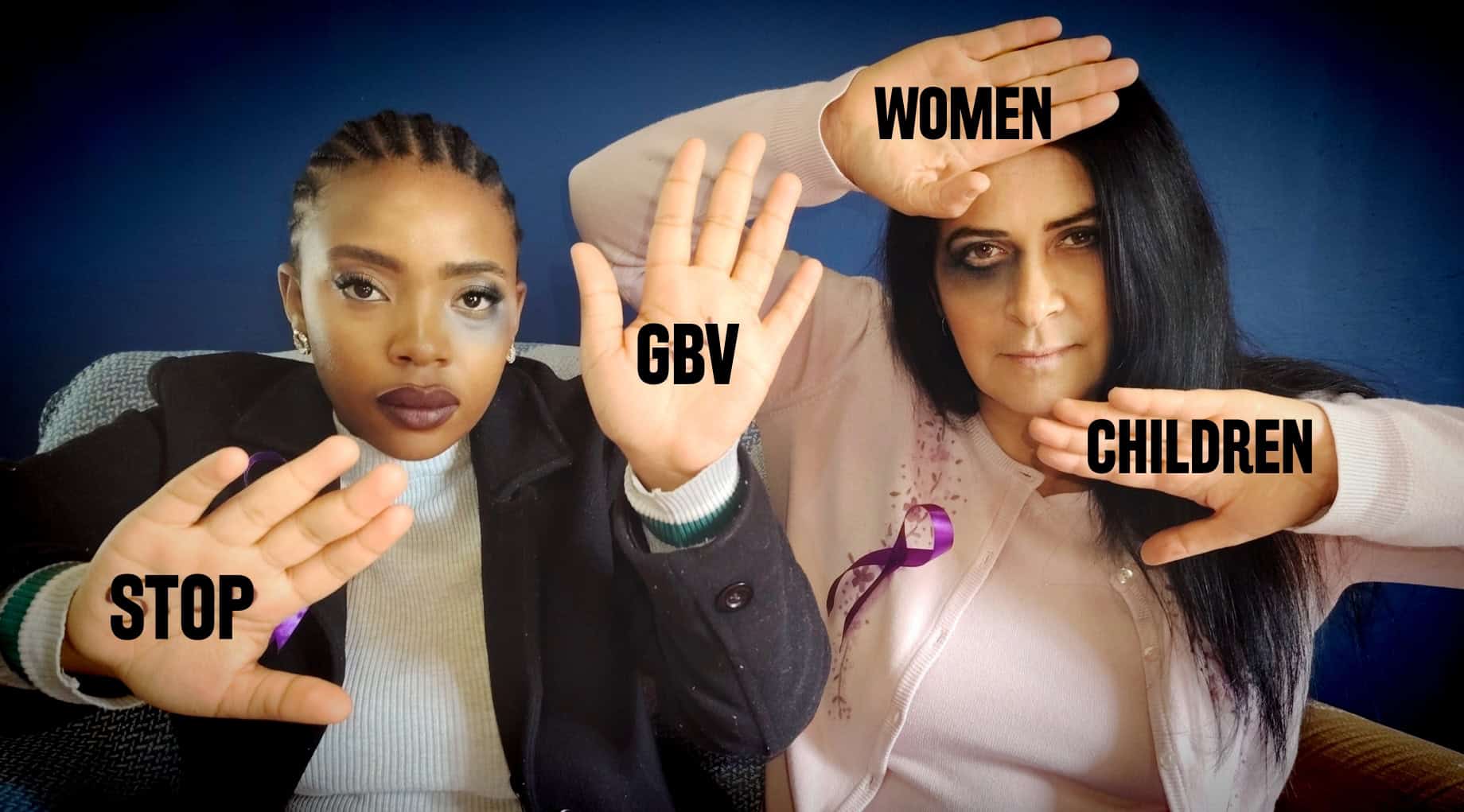
The Parys CPF is committed in combatting GBV
The Parys CPF is committed to working closely with SAPS in combating GBV, and supports the 16 Days of Activism Against Violence on Women and Children Campagin.
You can get involved in the fight against GBV simply by breaking the silence—speak out against violence, harmful online norms, and support victims. By simply giving a victim the benefit of the doubt when they report GBV to you, you can make a positive difference in that victim’s life.