Inequality persists as South Africa’s democracy turns 31
As South Africa marks Freedom Day, youth unemployment and limited education access remain pressing issues, with leaders calling for action to support the country’s next generation.
On April 27, 1994, South Africa took its first breath of freedom. It was the day millions cast their votes in the country’s first democratic elections, a day of hope, unity, and new beginnings. Each year, Freedom Day reminds us of that powerful moment. But 31 years later, many young South Africans are asking: Where is the economic justice we were promised?
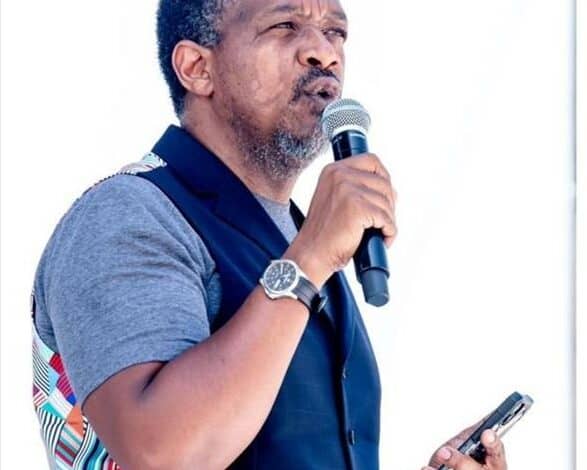
Sechaba Motsieloa, managing executive at Empowaworx, says Freedom Day must be more than a date on the calendar. It should be a call to action, especially for South Africa’s youth, who continue to struggle under the weight of unemployment, limited access, and economic exclusion.
Read more: VOX POP: What is the state of democracy in SA?
According to the World Bank, South Africa is the most unequal country in the world. The effects of apartheid still shape who gets access to opportunities, and who is left behind. While political freedom was won in 1994, economic freedom remains out of reach for many.
“Youth unemployment is at a crisis level,” Motsieloa said. “More than 60% of South Africans aged 15 to 24 are unemployed. That’s one of the highest rates in the world.”
The education system also paints a worrying picture. Only six out of every ten children who start school make it to matric. Even for those who do, the dream of further study is not guaranteed. In 2025, four million young people applied to universities across South Africa. Only just over 200 000 were accepted.
Also read: Statistics about democracy in South Africa
Despite the challenges, Motsieloa believes there is hope. “Young South Africans are not asking for handouts. They are asking for real opportunities to learn, grow, and lead. They want to be part of building a better South Africa.”
At Empowaworx, through its EmpowaYouth programme, the focus is on opening doors and equipping youth with tools to succeed. From May 26 to 28, the organisation will host the EmpowaYouth in Ekurhuleni Summit at Living Waters Bible Church in Thembisa. The summit aims to bring resources, training, and opportunities directly to the youth.
“True freedom,” said Motsieloa, “means access to quality education, skills development, support for entrepreneurs, and policies that lead to real change, not just empty promises.”
He added that hunger, joblessness, and hopelessness make freedom feel like an illusion for many young people today. Quoting an African proverb, Motsieloa said: “When an old man dies, it is a whole library that burns. What burns when we kill the hopes of our youth? The future of our nation.”
Still, he sees strength in the younger generation. “They are bold, creative, and ready to lead, but they need support, not speeches. They need belief, not pity.”
As the country celebrates Freedom Day, Motsieloa’s message is clear: South Africa cannot afford to leave its youth behind. Real freedom must come with real support. Until that happens, the fight for justice continues.
Follow us on our Whatsapp channel, Facebook, X, Instagram and TikTok for the latest updates and inspiration! Have a story idea? We’d love to hear from you – join our WhatsApp group and share your thoughts!
Related article: #FreedomDay: Newspaper coverage from the dawn of democracy