
Strydom Park Ratepayers Association fencing project gets off the ground
Johannesburg City Parks and Zoo will work together with the Strydom Park Ratepayers Association to look after the greenbelt, once it's fenced off.
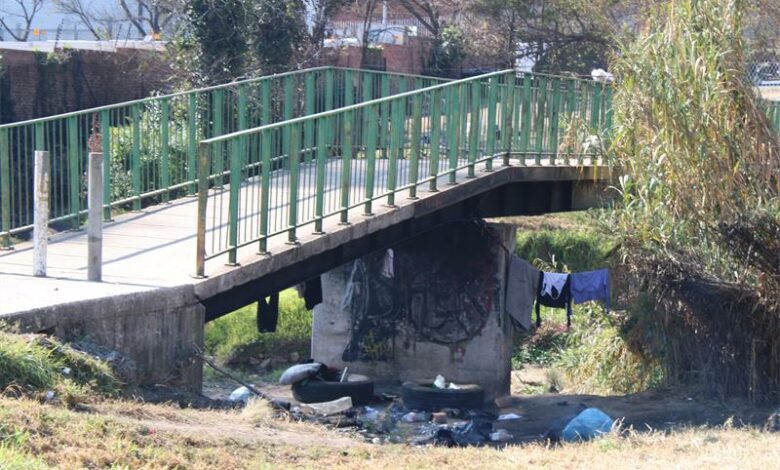
After receiving permission from Johannesburg City Parks and Zoo (JCPZ) to fence the greenbelt area, the Strydom Park Ratepayers Association (SPRA) has begun.
Read more: New JCPZ programme creates opportunities for our youth
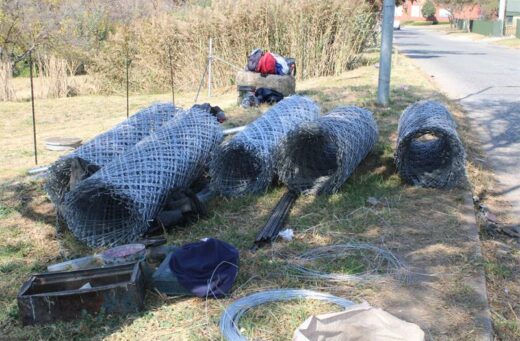
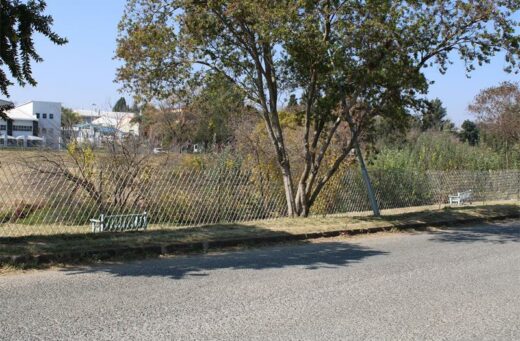
The fence installation project will be carried out in two phases. The first phase has extended the fence from Graphite Industrial Park to Kruger Road, beyond the bridge. In the second phase, the fence will be installed on the Gerhardus Road side of the greenbelt.
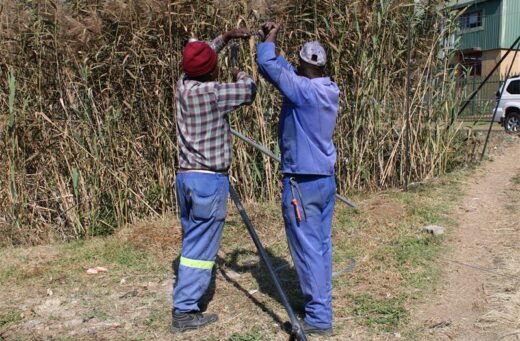
The association, and its members, have raised funds for the project to protect the green belt from further destruction. The initiative will clear the illegal dumping sites, remove invasive plant species, and restore the natural beauty of the riverbanks.
Also read: Strydom Park Ratepayers Association get permission to fence greenbelt
The fence will also assist in keeping the vagrants and waste pickers out of the greenbelt and create a safer space for residents, as well as those that work around the area. It will also prevent litter feeding back into the river system.
Karolynn van Vuren, chairperson of the association, explained that JCPZ will continue to maintain the greenbelt. “There is a small gate on both sides for people to access and cross over. That was one of the conditions from JCPZ, that we do not restrict access between 06:00 and 18:00. The security companies are going to be helping us with that.”
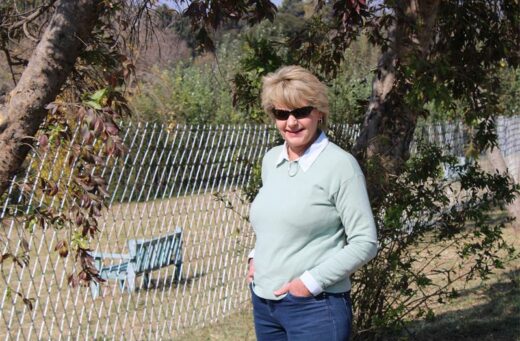
A big gate was also created to give JCPZ access to mow the grass and trim the trees.
Van Vuren explained that a little more than five years ago, their greenbelt was a thriving ecosystem, a place where the sound of frogs filled the night, and birds and other creatures were plentiful, they even had an elusive otter that called the Klein Jukskei River home. “Today, that vibrant life is gone. The river has become a dumping ground for litter, sewage, and scrap waste. It’s clear that our city structures are failing us. Our rates and taxes disappear into bureaucracy, yet the waste piles up, the pollution spreads, and the problem grows. We have waited long enough. Now it is time for us to take matters into our own hands.”
The chairperson praised the initiative saying it could be the start of something bigger, a movement where citizens reclaim their public spaces, where businesses take responsibility for their footprint, and where they hold accountable those who have failed to act. “But we need your support. Donations, volunteer efforts, and community advocacy will make the difference. This is not just about us. Our actions today will directly impact and benefit the residents living downstream. Pollution does not stay within borders; it travels, contaminates, and worsens conditions for communities beyond our own.”
Follow us on our Whatsapp channel, Facebook, X, Instagram, and TikTok for the latest updates and inspiration! Have a story idea? We’d love to hear from you – join our WhatsApp group and share your thoughts!
Related article: What can security guards legally do?