Wildlife advocates warn against exotic pets
A terrapin spotted at a local nursery school has sparked a broader debate about the welfare, legality, and ethics of keeping indigenous wildlife as household pets.
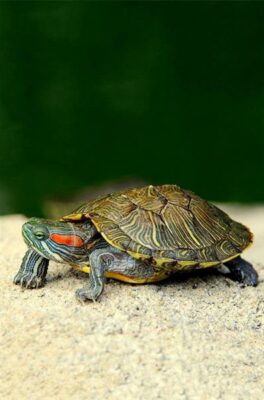
A recent article in the Randburg Sun, featuring a terrapin found by learners at Kidz Inc, sparked a strong response from local wildlife advocates, opening a wider conversation about the growing trend of keeping exotic and indigenous animals as pets.
Read more: Watch: Wildlife capturer’s son survives hippo boat flip near Hoedspruit
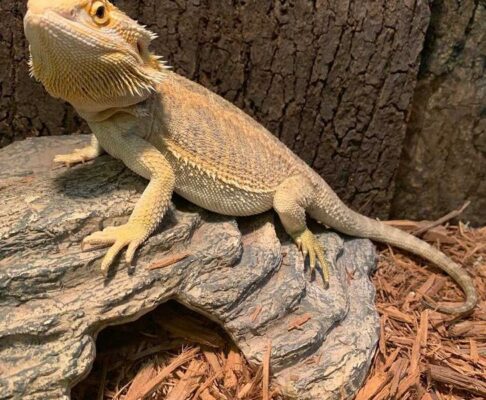
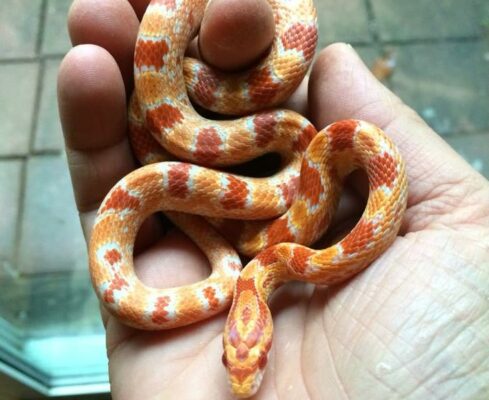
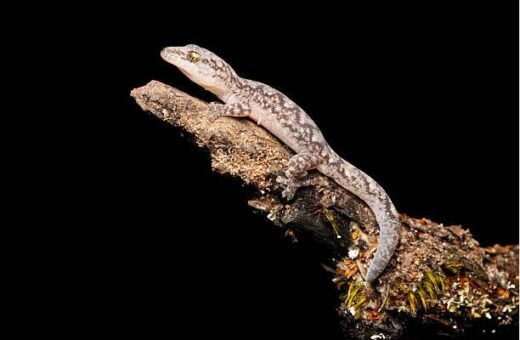
Terrapins, tortoises, lizards, geckos, and snakes are increasingly finding their way into Johannesburg homes. For many owners, the appeal is obvious. These animals are fascinating, low-maintenance compared to dogs or cats, and undeniably striking, but wildlife experts are raising serious concerns about what life in captivity really means for these creatures.
Margi Badenhorst, founder of Friends of Free Wildlife, says the core problem is a lack of knowledge. “My concerns regarding people keeping indigenous wildlife as pets include the lack of knowledge by most people as to what is necessary for every species. Most animals are taken from the wild and therefore have no need or necessity for being kept as a pet.”
The consequences of that ignorance are felt at wildlife rehabilitation centres across the country. “Wildlife rehabilitation centres receive many ex-pets. The rehab process can be relatively straightforward and short, or can sometimes involve many months of rehabilitation and a process called soft release, where they are semi-released and supported for some time until they are fully ready to survive again.”
A local wildlife advocate, who asked to be identified only as John, went further. He argued that keeping wild animals in captivity is not simply misguided; it is cruel. “It is time for the general public to realise that keeping wild animals in captivity is barbaric. It is damaging to both the environment and the individual animal concerned, and it is going against the flow of nature.”
Also read: RRVA and EcoSolutions team up for wildlife
John highlighted two specific areas of concern: nutrition and behaviour. In the wild, a tortoise will walk many kilometres a day to forage, meeting its own nutritional needs instinctively. In captivity, well-meaning owners often feed them tomatoes and lettuce, food that falls far short of what the animal actually requires. The behavioural consequences can be even more distressing. John described a condition known as zookosis, a series of repetitive movements that develop when wild animals are denied the stimulation and space they need. “The animal would, for instance, sit and bang its head against a wall for days on end until it has damaged itself. This is, in a sense, the animal being driven mad by a lack of stimulation.”
He also pointed out that tortoises are far more social than most people realise. In the wild, they gather for an annual mating season, an experience that captive animals are permanently denied.
There is also a legal dimension that many owners may be unaware of. Badenhorst was clear: “In South Africa, keeping indigenous wildlife is not allowed, and keeping permits may only be issued by the Gauteng department of agriculture and recreation.”
John added that many tortoise species are endangered, and under no circumstances may they be removed from the wild.
For those who feel a genuine connection to wildlife, both advocates offer the same advice: appreciate these animals from a distance, in their natural habitat. Badenhorst suggests volunteering at a rehabilitation centre as a meaningful alternative. “If you genuinely care for our wildlife, you will appreciate that they are best in their natural habitat, where they can grow, associate with others of their species, and breed successfully.”
In Johannesburg, both Free Wildlife in Kyalami and the South African Wildlife Rehabilitation Centre welcome volunteers. As John put it: “Animals are not entertainment. They are beings that need to be treated with respect. Something we ought to be admiring in their natural habitats, not stealing from those habitats and keeping them in confinement.”
Terrapins
• Terrapins are aquatic and must live near water. Without it, they quickly decline in health.
• They can live for up to 25 years in the right conditions.
• Terrapins are not tortoises. They belong to the turtle family and have webbed feet for swimming.
Lizards and geckos
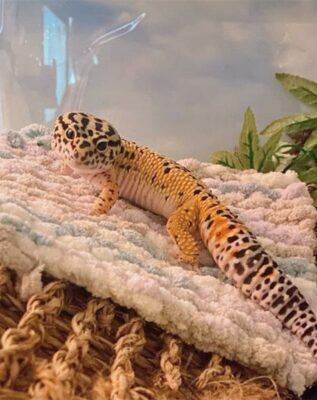
• Many gecko species can detach their tails when threatened and regrow them over time.
• Lizards regulate their body temperature entirely through their environment, meaning they need specific heat and light conditions to survive.
• Some lizard species can see ultraviolet light, which helps them find food and mates in the wild.
Snakes
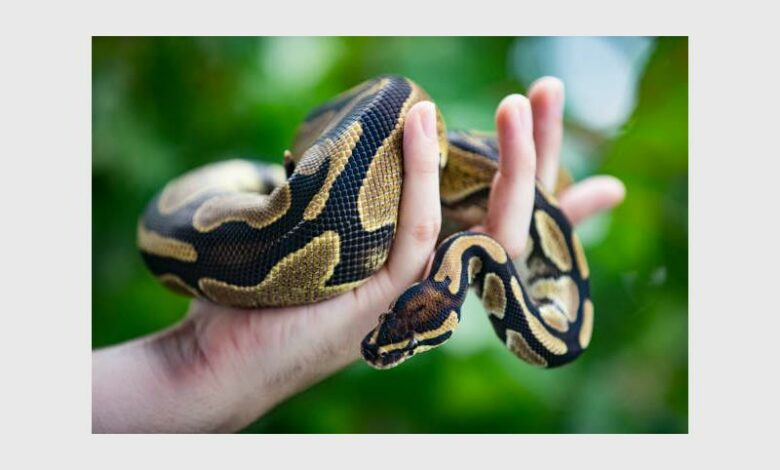
• Snakes do not have eyelids. They sleep with their eyes open.
• A snake’s forked tongue is used to smell the air and detect prey or predators.
• Even if a snake bred in captivity retains all of its wild instincts, it cannot be domesticated.
SIGNS YOUR EXOTIC PET IS STRESSED
If your reptile displays any of the following, it may be suffering from zookosis or severe stress:
• Repetitive movements such as pacing, circling, or head-banging,
• Refusing to eat for extended periods,
• Constant attempts to escape its enclosure,
• Unusual aggression or withdrawal, or
• Lethargy and lack of response to its environment.
These are not behavioural problems; they are distress signals.
WHAT TO DO IF YOU FIND A WILD REPTILE
• Do not attempt to handle it unless it is in immediate danger.
• Do not take it home. This is illegal without a permit.
• Keep a safe distance and monitor it.
• Contact a wildlife rehabilitation centre or a wildlife vet for guidance.
• If it is injured, transport it carefully in a ventilated box and seek help immediately.
Follow us on our Whatsapp channel, Facebook, X, Instagram, and TikTok for the latest updates and inspiration!