CMT project empowers young creators with sewing and business skills
Randburg project is helping young creators turn their sewing skills into thriving businesses.
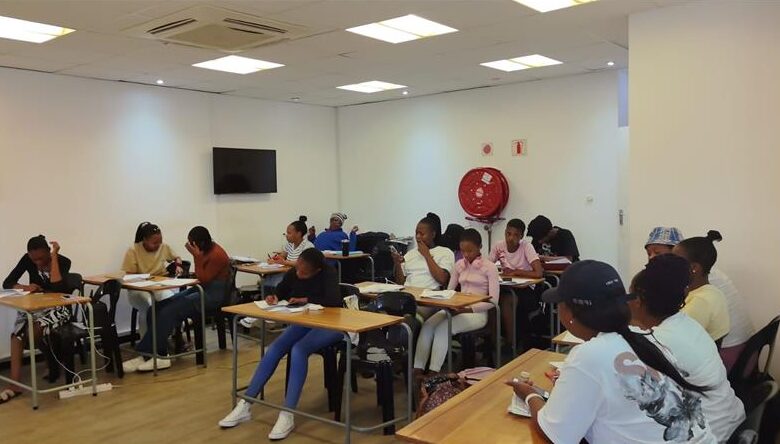
The cut, make, trim (CMT) project, a collaboration between SewAfrica and OUR NPO, aims to bridge the gap between practical training and employment by giving students experience in manufacturing, entrepreneurship and business management.
The initiative was developed in response to the challenges faced by young people who complete skills development programmes but struggle to find employment after the programmes end, according to OUR NPO managing director Ann-Lene Olivier. During their two-and-a-half-month practical training phase at SewAfrica, students were given the opportunity to participate in the project, where they learnt to manufacture a product from start to finish.
Read more: Savvy paper sewing crafts kids will love
Rather than focusing on a single sewing task, the programme exposes students to the entire production process, from fabric selection and cutting to quality control, costing and sales.
“We teach the students a full product,” said Olivier, “understanding the full process: fabric quality, cutting, managing waste, costing, sales and everything needed if you were to start your own small production.”
The initiative also highlights and encourages entrepreneurship, with students receiving mentorship on pricing, budgeting, cash flow, record-keeping and separating personal finances from business money.
Olivier shared that the aim was to ensure that students understood not only how to make a product to sell, but also how to determine its costs and potential profit. Beyond technical training, participants are introduced to marketing, public relations, project management and community work through OUR NPO’s mentorship programme.
Also read: Sewing for community upliftment
The programme also recognises the importance of mental and physical well-being, with Fridays often dedicated to workshops and activities such as dance or yoga.
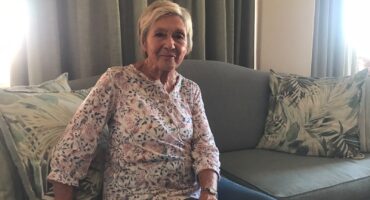
Olivier further mentioned that she believes mentorship is not fixed to a time period and that students are supported for as long as they need guidance. According to Olivier, the most rewarding aspect of her work is watching her students blossom. “It is when students realise their own potential and start working towards creating their own dreams. We give them the support structures and networks, but they do the work,” she said.
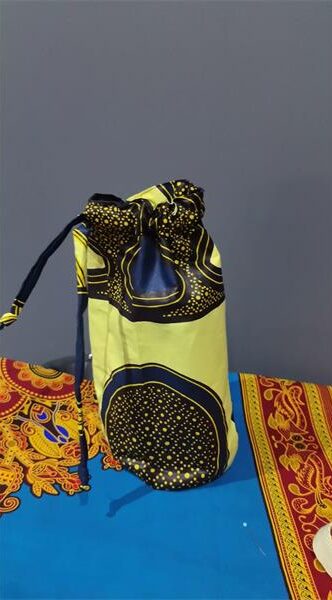
Thando Kgotse, a student in the programme, shared her experience. “I have learnt so much and really enjoy working with other people,” Kgotse said. “My favourite part of the entire process is installing a handle and hemming the whole bag. I believe this project has taught me a lot on giving out to the community, helping one another and creating jobs for the unemployed.”
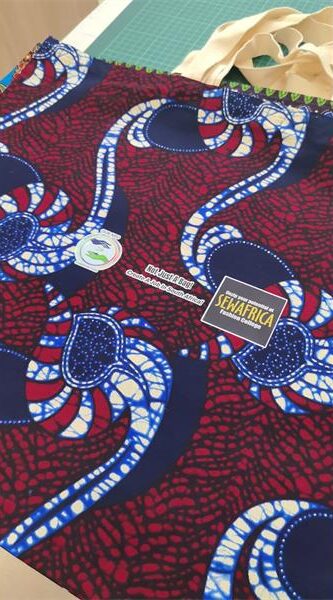
The project aims to become financially sustainable beyond the learnership period, create employment for participating students and contribute to local manufacturing through its Ankara shopping bags, marketed under the name Not Just A Bag. Olivier said the long-term vision was to produce high-quality products that could compete in wider markets, including international fair trade platforms.
Randburg residents and businesses can support the initiative by purchasing the bags, sponsoring its growth, incorporating company logos into the products or volunteering in community work.
Olivier encouraged young people to make the most of every opportunity, build networks and use their skills to create their own futures.
Follow us on our Whatsapp channel, Facebook, X, Instagram, and TikTok for the latest updates!