SA ranks first in HIV incidence in the world
Over 400 000 new HIV infections a year – HIV management organisation.
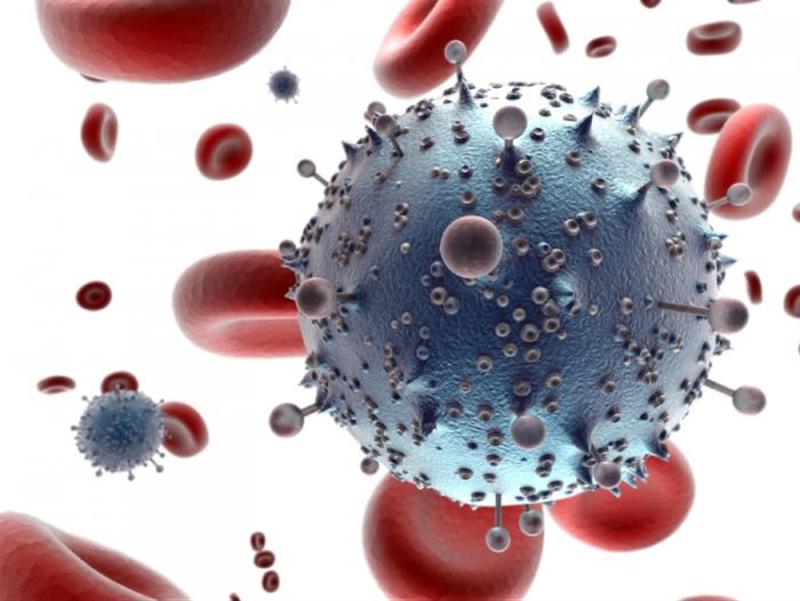
The start of the new school year usually bristles with anticipation among pupils, but despite the excitement the startling reality is that more than 2 300 girls between the ages of 15 and 24 will contract HIV every single week said CareWorks – an HIV management organisation.
Research shows the incidence of new HIV infections among young females is more than four times higher than that of their male counterparts. With over 400 000 new HIV infections a year, South Africa still ranks first in HIV incidence in the world.
Marina Rifkin, a Public Health Specialist at CareWorks says the risk is particularly great for high school pupils because they are more likely to engage in risky sexual behaviour, such as unprotected sex, since they are not necessarily skilled in negotiating condom use with their partners.
“Sexually active young women are particularly vulnerable as they often engage in sexual relationships with older men. Research conducted by the Centre for the AIDS Programme Research in SA (Caprisa) shows a trend of girls contracting HIV from older men.
The study found that both girls and boys on completion of Grade 7 remained HIV-negative. However, by the time they finished Grade 12 about 7 to 10 percent of girls were HIV-positive, yet most of the boys remained HIV-negative.
“This is because the girls were having sex with older men who were likely to already have been infected by the HIV virus. This age–sex disparity in HIV acquisition continues to sustain unprecedentedly high incidence rates, therefore preventing HIV infection in this age group is a pre-requisite for achieving an AIDS-free generation and attaining epidemic control.”
Rifkin further points out that sexual debut for many of the country’s youth is often much younger than 16 – the legal age of consensual sex. She says many will have had their first sexual experience by the age of 14 or even younger.
To date, voluntary HIV counselling and testing, promoting delay of sexual debut and correct and consistent condom use when engaging in sex have shown some success among the youth, but she says other prevention interventions such as voluntary medical male circumcision (VMMC) is crucial and shouldn’t be discounted.
Currently, over 2 million men in SA aged 15 to 49 have been circumcised. South Africa is about halfway toward the national target of circumcising 4,3 million males aged 15 to 49 by December 2016.
“The once-off 20 minute procedure reduces a man’s lifetime risk of HIV by up to 60 percent and it helps to prevent other STIs. VMMC also reduces the risk of penile cancer, and reduces the risk of acquiring the human papilloma virus (HPV) and, as a result, cervical cancer among the female partners of circumcised males.
Ongoing research in Orange Farm, South Africa, has shown lower HIV infection rates among circumcised men than among uncircumcised men. Models also suggest that VMMC scale-up would reduce HIV incidence in Eastern and Southern Africa by roughly 30 to 50 percent over 10 years.
“The take home message is that the risk reduction offered by circumcision is substantial and could reduce the immediate and long term risk for both young men and women.
The world in which teenagers are growing up today is very different from that of their parents’ and grandparents’ youth. Compared with 20 years ago, young people are entering adolescence earlier than ever before and they want to explore their sexual selves.
“That being said, young people also need help in preventing HIV and parents can play an important role in the prevention process. While it may be challenging to broach this topic, try to have an open discussion with your teenager about sex and the importance of protecting themselves from both unplanned pregnancy and HIV. Lay down all the options on the table, including the benefits of VMMC and give them the support and guidance they need during this transition period into adulthood,” says Rifkin.
To find out where you, your son, friend or partner, can undergo free VMMC: send a free ‘please call me’ to 0606 800 800 and a counsellor will get back to you.
For more information about VMMC visit the VMMC media and information hub at www.mmcinfo.co.za.
Want to receive news alerts via WhatsApp? Send us an SMS/ WhatsApp message with your name and cellphone number to 079 413 8726.
Familiarise yourself with our WhatsApp service disclaimer.
Do you perhaps have more information pertaining to this story? Email us at randfonteinherald@caxton.co.za (remember to include your contact details) or phone us on 011 693 3671.
For free daily local news on the West Rand, also visit our sister newspaper websites Roodepoort Record, Krugersdorp News and Get It Joburg West Magazine
Remember to visit our Facebook, Twitter and Instagram pages to let your voice be heard!