
Five mistakes to avoid when buying a car
Here are some of the most common mistakes that you can keep an eye out for when buying a new car.
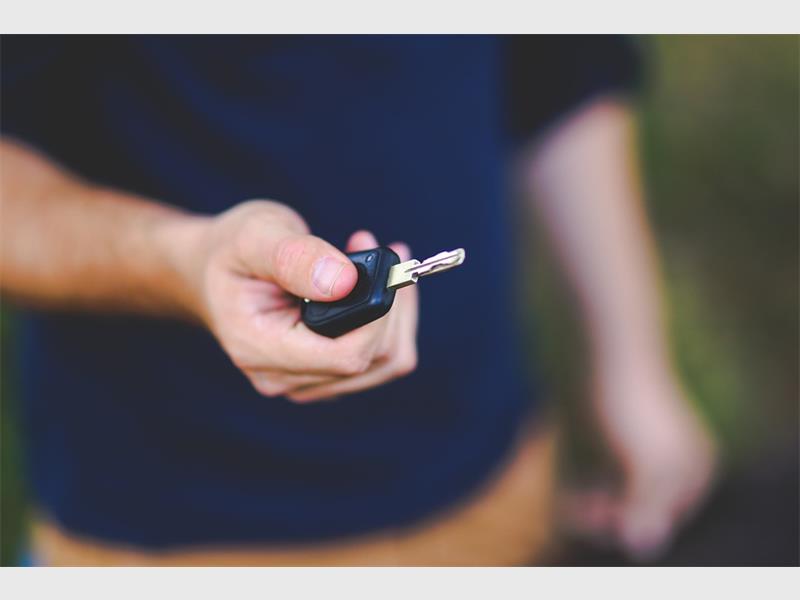
Picture your favourite car. Is it the car’s sleek lines, the speed with which it goes from 0 to 100, or the spaciousness of its interior that makes you love it and daydream about owning it?
Now just imagine that the time has come to sign on the dotted line and for you to drive off the showroom floor. Chances are: the thought makes you smile – because buying a car is an exciting milestone that most of us look forward to right from when we first get our driver’s licence (both to celebrate our new-found freedom and as a reward for overcoming the hellishness of the driver’s test).
Being able to finally buy or upgrade our own set of wheels can, however, also be a stressful experience with the potential to make what can be expensive mistakes.
Charl Potgieter, Head of Absa Vehicle and Asset Finance, Personal Markets explained. “We have seen what should be a time of celebration become a nightmare case of ‘buyer’s remorse’ because of a simple oversight. To help you avoid making the same mistakes, we have covered five of the most common mistakes that you can keep an eye out for:”
1. Not doing your research beforehand
You should ideally have some idea of the type of car you want to buy (and can afford), so do your research online before going to your nearest dealer. Compare different options to see where you will get the best price, and find out about the different pricing and financing terms available to you. We live in an age where we can access a flood of information at our fingertips, so take advantage of this to stay informed.
2. Focusing on price at the expense of the financing terms
While price is obviously a major factor you have to consider, remember that the price tag you see isn’t what you will actually pay in the long-term, with interest and other costs like maintenance and service plans. Discuss all of these factors with the dealer so that you know exactly what your monthly obligation will be, and ensure that you will be able to meet this commitment.
3. Purchasing used vehicles
Whilst you can usually get a better deal on a used vehicle, it is important that you do your research thoroughly beforehand and visit a reputable dealer. Also be sure to check if the car is still on a motor plan, and if not, find out what options are available to you and what they will cost over and above your monthly repayment. Ask what a major and minor service typically costs on your model of choice, and calculate whether it makes more sense for you to purchase a formal plan or put money aside to cover each service – but make sure that you actually put money aside each month if you choose to go that route.
4. Failing to consider all your options: leasing vs buying
More South Africans are looking at leasing rather than buying, because it allows them to enter a shorter contract usually at a lower rate and change their car when the contract ends. However, while that may sound appealing, remember that you will never actually own the car and don’t have anything to show for it at the end of the contract. There are also often limitations on usage of the car, including a maximum number of kilometres that you will be penalised for exceeding. There are, of course, pros and cons to both options, but it is important for you to weigh up what will work best for your own needs.
5. Rushing into a decision
Think of any big decision you’ve made – chances are you didn’t rush into it, so the same should apply when buying a car. Don’t go into the dealership feeling like you have to walk out the proud owner of a car. This can cause panic, which puts you at a disadvantage as you may be inclined to take a deal even if it isn’t in your best interest. It may include features that you don’t actually need that drive the price over what you budgeted for or not be the exact model you are looking for.
Potgieter added, “Ultimately, choosing to buy a car should be a happy milestone, not a miserable experience that you look back on and regret. The best way to avoid this is to borrow smartly and find options to help you cope. Research and a conversation with your financial adviser can help get you behind the wheel and on the road.”
Do you perhaps have more information pertaining to this story? Email us at randfonteinherald@caxton.co.za (please remember to include your contact details in the email) or phone us on 011 693 3671.
For free daily local news on the West Rand, also visit our sister newspaper websites
Remember to visit our Facebook, Twitter and Instagram pages to let your voice be heard!