
Weird allergies that afflict South Africans
Pharma Dynamics, recently conducted a nation-wide poll among 1 772 allergy sufferers to find out to what degree South Africans are affected by unusual allergies.
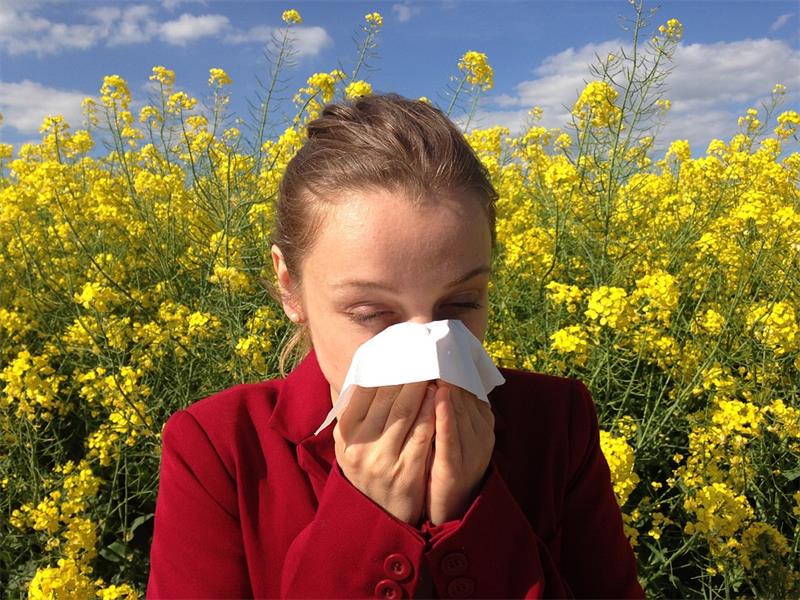
It’s hayfever season – the time of year when nature releases gazillions of microscopic pollen spores into the atmosphere, but while springtime has a whopping 17 million (30 per cent) of South Africans in a frenzy, our nation also seems to grapple with much rarer allergies.
One of the country’s leading providers of allergy treatments, Pharma Dynamics, recently conducted a national poll among 1 772 allergy sufferers to find out to what degree South Africans are affected by unusual allergies.
Here’s what the survey revealed:
1. 36 per cent experience eczema-like symptoms when wearing jewellery
2. 25 per cent are allergic to certain fruit
3. 21 per cent break out in a rash when spending time in the sun (different to sunburn)
4. 17 per cent suffer from pressure urticaria, which means they can’t wear tight clothing, sit down, lean against or touch anything for too long
5. 17 per cent have an allergic reaction to air conditioners
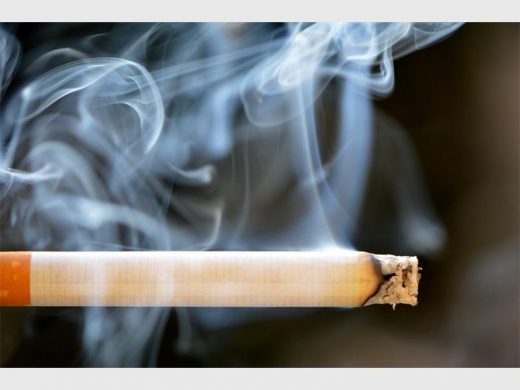
6. 16 per cent are allergic to cigarette smoke
7. 15 per cent experience allergy symptoms when eating shellfish, such as mussels, oysters, prawns etc
8. 15 per cent are allergic to alcohol
9. 13 per cent break out in a red rash when exposed to cold temperatures
10. 9 per cent are allergic to hair dye
11. 7 per cent experience either hives, swelling of the mouth and throat or wheezing after eating chocolate
12. 6 per cent complain of headaches, heart palpitations or skin problems when drinking coffee
13. 6 per cent break out in hives, coughs or sneezes when working with wood
14. 5 per cent are allergic to fizzy drinks
15. 3 per cent experience redness, swelling or flaking around the nail when applying artificial nails
Nicole Jennings, spokesperson at Pharma Dynamics, said even though many of these allergies only affect a small percentage of the population, it can cause a lot of discomfort and agony to sufferers.
She explained that an allergic reaction typically occurs when the body mistakenly misreads something that is harmless as a threat.
“This overreaction by the immune system leads to an allergic reaction, which can manifest as a rash, fever, headache, swelling of the mouth or affected area, wheezing, runny or stuffy nose, nausea and the like.
“Those who are allergic to jewellery are likely to have a nickel allergy – also known as contact allergic dermatitis. Nickel is often used as the base metal of less expensive jewellery, which is then plated with gold or silver. Affected individuals often develop eczema in places where nickel-containing jewellery touches the skin, such as the fingers, earlobes, wrists and neck. Sufferers should rather opt for jewellery that is hypoallergenic, made from stainless steel, sterling silver, polycarbonate plastic or at least 18 carat gold.
“Fruit such as strawberries, kiwi, peach, apple, bananas and citrus are known to cause allergies, which can prove fatal in severe cases. Most often, symptoms include skin reactions, swelling of the oral cavity, asthma or rhinitis. Similar signs are also common in those who are allergic to alcohol. While some may be allergic to alcohol itself, others may be sensitive to certain allergens in alcoholic drinks, such as wheat, barley, yeast, grapes etc. However, if you are allergic to alcohol, fruit or any other type of food, rather steer clear of these allergens,” advised Jennings.
Ever heard of being allergic to the cold?
According to health authorities, urticaria (a type of skin allergy) affects between 15 and 25 per cent of the population at least once in their lifetime, while ‘cold urticaria’ – being allergic to the cold – makes up about 3 per cent of urticaria cases.
Jennings said while cold temperatures and even diving into a cold pool could trigger itchy welts or hives within minutes of exposure in some individuals, equally a tad too much sunshine could lead to similar symptoms.
“Different to sunburn, a sun allergy or ‘vampire allergy’ – as it is commonly referred to – is defined as polymorphic light eruption, which can be described as sun poisoning. Various degrees of sun allergies exist – some are hereditary while others develop symptoms when triggered by factors such as medication. Mild cases usually clear up without any treatment, while more severe rashes should be seen to by a dermatologist or allergologist. If you suffer from a sun allergy, wear sun-protective clothing to limit your exposure to the sun during the day.
“Two other sinful, but everyday indulgences – coffee and chocolate – could also trigger allergy symptoms in some, but it’s important to note the distinction between allergies and sensitivities,” remarked Jennings.

“While both are problematic, a sensitivity to something isn’t life-threatening, while an allergy can be. Symptoms of a sensitivity could include stomach cramps, feeling bloated, jittery, or anxious and could even elevate your heartbeat and blood pressure, especially if you’re sensitive to coffee, while an allergy can cause more serious symptoms, such as nausea, vomiting, trouble swallowing, shortness of breath, wheezing, sudden drop in blood pressure and dizziness.
“Para-phenylenediamine (PPD) and para-toluenediamine (PTD) are often used in hair dyes, which could cause contact dermatitis. Symptoms include burning and stinging skin, as well as a bumpy red rash, which can be alleviated with shampoos or creams containing topical corticosteroids. Oral antihistamines could also help to reduce skin inflammation and itching.”
Another unusual allergy, called “pressure urticaria”, may occur after sitting or standing for too long or when wearing tight clothing. The hands, feet, trunk, buttocks, legs and face are mostly affected. The allergy is characterised by welts or painful lesions, which could last for 8 to 72 hours. The peak age of onset is in one’s 20s and 30s.
Fizzy drinks could also be a trigger, but Jennings said it’s more likely to experience an allergic reaction to the compounds used to preserve colour or flavour in soft drinks, such as tartrazine, sulphur dioxide or sulphites, benzoic acid or benzoates, than the carbonation in these drinks.

Constant sneezing and coughing as a result of an air conditioner is a likely sign that the filters need to be cleaned or changed to prevent the propagation of dust mites, to which many are allergic. Equally, the chemicals in cigarette smoke could induce watery, itchy eyes and irritation of the airways, especially in those with existing allergic rhinitis.
“Even though scientists are still grappling with why or how people become allergic to certain allergens, thankfully there are ways to treat it. If you suspect you may have an allergy, it’s best to see an allergologist or GP who will be able to perform or authorise an immunoglobulin (IgE) antibody test, which will help to diagnose an allergy to a specific substance or substances.
“You should never ignore the symptoms of an allergic reaction. If left an untreated, it can quickly worsen, especially in the case of anaphylaxis, where emergency treatment is required. Even if you have never suffered from an allergy before, it is entirely possible to become allergic later in life. Although we don’t have substantial data on allergy rates in South Africa, it is clear that they are climbing and are likely to continue to rise in the future; therefore it’s best to know your allergy status and to carry emergency medication on you,” advised Jennings.
Do you perhaps have more information pertaining to this story? Email us at randfonteinherald@caxton.co.za (please remember to include your contact details in the email) or phone us on 011 693 3671.
For free daily local news on the West Rand, also visit our sister newspaper websites
Remember to visit our Facebook, Twitter and Instagram pages to let your voice be heard!