South Deep to get solar plant the size of 200 soccer fields
According to Chris Griffith, Gold Fields CEO, the 40MW solar plant will generate over 20 percent of the average electricity consumption of the mine.
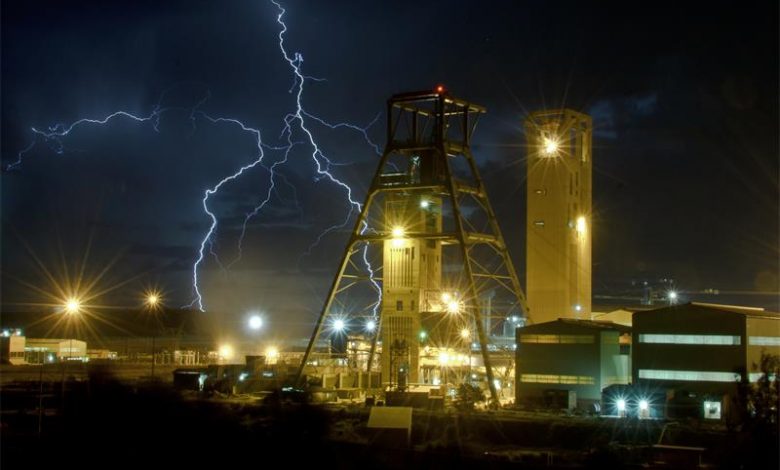
Gold Fields Limited has been given the green light for the construction of a 40MW solar plant at the South Deep Mine near Westonaria.
This follows the National Energy Regulator of South Africa granting the gold mining company a licence in February this year.
According to Chris Griffith, Gold Fields CEO, the 40MW solar plant will generate over 20 percent of the average electricity consumption of the mine. It will comprise 116 000 solar panels, cover an area of 118ha – which is roughly the size of 200 soccer fields – and will be on mine property.
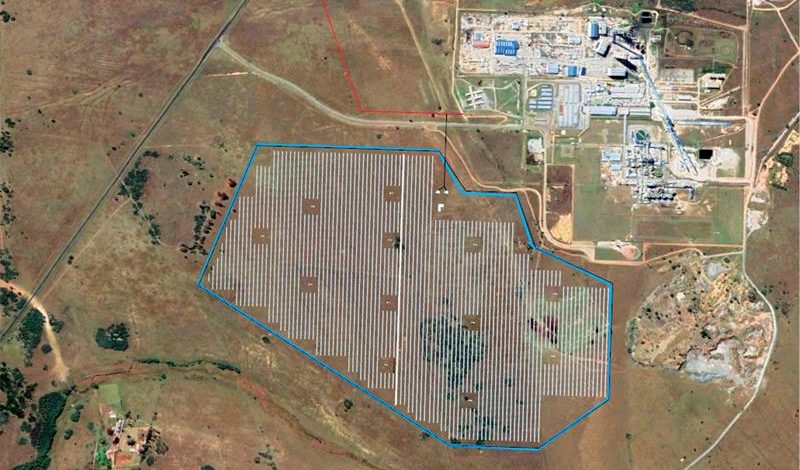
He said the estimated capital investment for the plant is R660m including contingencies and escalation. This will be funded from the mine’s positive cash flows over the next two years. The use of self-generated, renewable energy will translate into savings of around R120m on the cost of electricity a year. South Deep is currently finalising procurement strategies and contractor criteria for the construction of the plant, which will begin during the second quarter of 2021. The plant is expected to be commissioned during the second quarter of 2022.
“We are the first South African mine to build and operate our own solar plant of this scale. This will ensure greater reliability of power supply, and reduce the cost of electricity, which currently makes up about 13 percent of the mine’s operating costs.
“Importantly, it will reduce our carbon footprint by around 100 000 tonnes of CO2 a year, not only enhancing the sustainability of South Deep but also contributing to Gold Fields’ long-term commitment to carbon neutrality,” Griffith added.
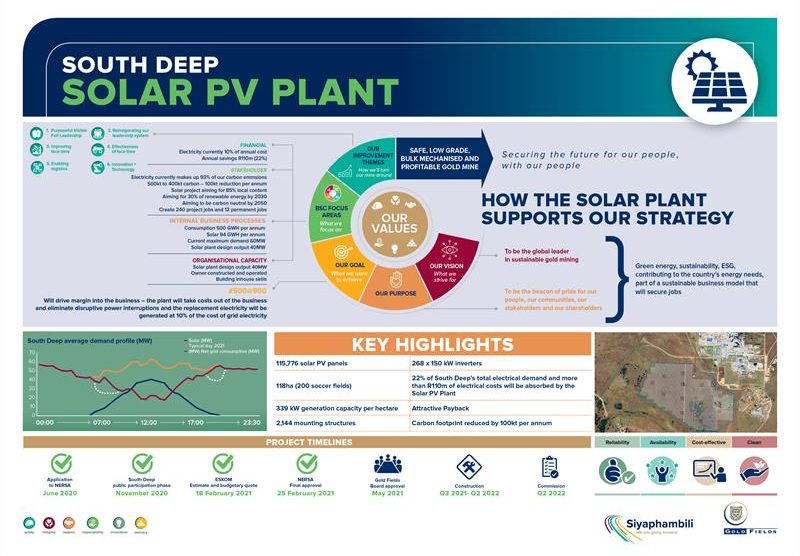
“During 2020, renewable electricity averaged three percent of Gold Fields Group electricity. Once the South Deep project is commissioned, renewable’s contribution to the Group total will rise to approximately 11 percent. An estimated 240 jobs will be created during the construction phase, while a team of 12 people will be required to operate the plant once operational. As far as possible, goods and services required to build the plant will be sourced locally within South Africa.
“A broad range of stakeholders stand to benefit more from the mine’s activities. A profitable mine and a sustainable business can continue to employ and develop employees, contribute to community development, support the livelihoods of local suppliers, and add to the fiscus in the form of taxes and royalties,” said Griffith.
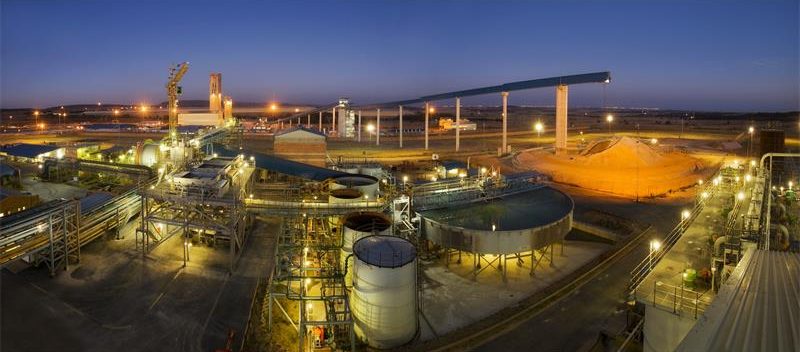
Gold Fields’ energy objectives are based on four pillars – energy must be reliable, available, cost-effective and clean – which promote a shift to self-generation using renewable energy sources. During 2020, Gold Fields successfully implemented solar and wind power plants, backed by battery storage, at two of its Australian mines, Agnew and Granny Smith, and committed to renewables at its other Australian mines, Gruyere and St Ives, as well as the Salares Norte project in Chile when it starts operations in 2023. All its other mines are also reviewing renewable energy options.
For details of Gold Fields’ renewable projects, as well as the Group’s disclosure of other climate change related information, see the recently released 2020 Climate Change Report on the company’s website at www.goldfields.com.
The report was produced in line with the recommendations of the Task Force on Climate-related Financial Disclosures (TCFD).