
Helping to curb the spread of rabies
Rabies cases occur on the West Rand regularly and prevention is better than cure. That's exactly what the Gauteng Veterinary Services in Randfontein did in Muldersdrift recently.

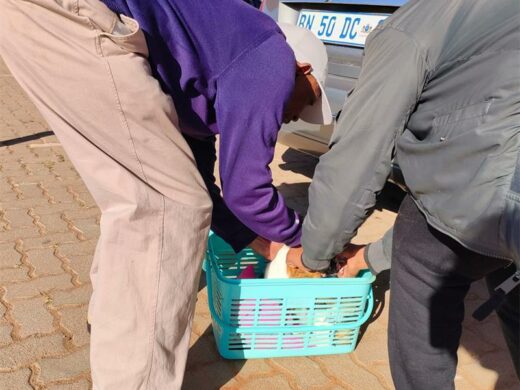
The Gauteng Veterinary Services in Randfontein recently visited the Video informal settlement in Muldersdrift to help curb the spread of rabies.
The team visited the settlement on Sunday, June 11 and was joined by Councillor Shenan Cochrane and the Muldersdrift Cares Pet Outreach for the free annual rabies campaign in Muldersdrift. This was the third year that the technicians visited the Video informal settlement.
They assisted residents from surrounding farms as well as the settlement to have their pets vaccinated.
“It is imperative that pet owners have their dogs and cats vaccinated annually against rabies, particularly on plots and in farming areas. Rabies cases occur on the West Rand regularly and prevention is better than cure,” said Shenan.

Shirley Mtsenga, in house vet technician said not many people brought their pets, but they managed to vaccinate around 60 animals. She explained that because rabies is a disease that can be transferred to humans via their pets it was very important for animal owners to get their pets vaccinated.
“We have to protect ourselves and our dogs,” she said, and added that in the process other pets and humans could also be protected against infection.
According to the World Organisation for Animal Health website rabies has a fatality rate of almost 100% in humans and animals. It remains a global threat and kills approximately 59 000 people every year.
The site explains that rabies is a viral disease that affects the central nervous system of mammals and humans.
“The rabies virus is particularly present in the saliva and brain of infected animals, most commonly dogs, and is transmitted by a bite.”
Although symptoms may be non-specific at first, they do include:
• Lethargy
• Fever
• Vomiting and anorexia
Within days these signs can progress to cerebral dysfunction, ataxia (loss of bodily movement), weakness and paralysis, breathing and swallowing difficulties, excessive salivation, abnormal behaviour, aggression or self-mutilation.
The incubation period may vary from several weeks to several months, but once rabies symptoms appear the disease invariably is fatal both in animals and humans.