
Gauteng transport MEC moves to regulate driving schools
Kedibone Diale-Tlabela is pushing for a permanent committee and new booking systems to tackle ongoing corruption and operational chaos in the driving school sector.

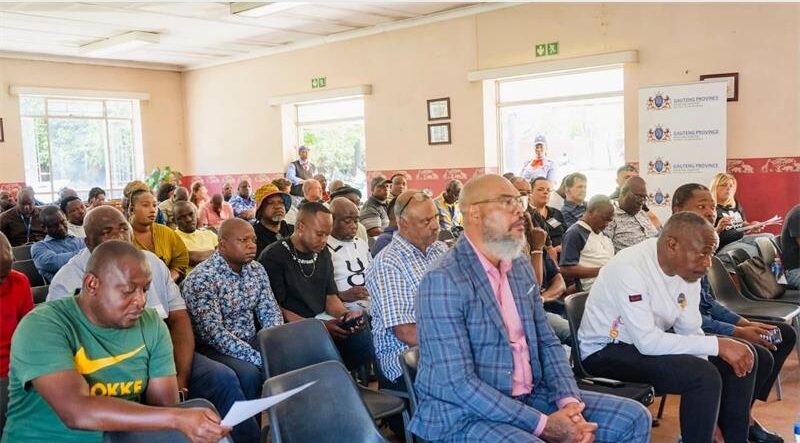
Rand West City MMC Bruce Nimmerhoudt joined discussions on driving school regulation, booking challenges, and improved cooperation between government and legitimate driving school operators at a stakeholder meeting in Koedoespoort, Pretoria, on October 21.
The meeting was led by Gauteng MEC for Roads and Transport Kedibone Diale-Tlabela, alongside Sedibeng District Municipality MMC Ntjanyana Phala. It focused on persistent challenges within the driving school industry and proposals to improve the licensing system.

Oversight plans
The Gauteng Department of Roads and Transport is strengthening oversight of the industry through a proposed Gauteng Driving School Technical Committee and a pilot of an improved book-and-pay system at the Edenvale and Marlboro driving licence testing centres.
Diale-Tlabela said a permanent consultative platform would allow government and the industry to address ongoing challenges, clarify responsibilities, and develop practical solutions.
“We cannot continue meeting without making meaningful progress. We need a structured forum where government and the driving school industry can address challenges openly, agree on responsibilities and work together towards a professional, transparent and accountable licensing environment,” she said.
The proposed technical committee would provide a platform to address operational challenges, improve coordination, and strengthen learner-driver training.
The department is also considering introducing a dedicated driving school business account to support legitimate operators while protecting fair public access to licensing services.
During the meeting, stakeholders raised concerns about limited online booking slots, system downtime, inadequate training facilities, alleged booking irregularities, and other practices that undermine the integrity of the licensing system.
“Driving schools are important partners in road safety, skills development and community development. We want to support legitimate businesses, but this must go hand in hand with compliance, ethical conduct and accountability. Our shared responsibility is to ensure that learners receive proper training and become competent, responsible drivers,” Diale-Tlabela stressed.
The department’s database records more than 454 driving schools across Gauteng.
Regulatory framework
The National Road Traffic Amendment Act, 2024 (Act 8 of 2024), provides for the registration and grading of driving schools, strengthening the regulatory framework for professional driver training.
Diale-Tlabela also urged driving school operators to pursue registration and certification, maintain professional standards, and work with the department to improve licensing services and road safety.
“Our objective is to move from frustration to co-operation and from recurring challenges to practical solutions. By working together, we can strengthen the industry, create opportunities for our communities and make Gauteng’s roads safer,” she said.