Vet takes risky step to repair severely fractured crow wing
After a crow was found next to the road with a severe open wing fracture, Dr Johan Naudé made the difficult decision to attempt a high-risk operation despite the low survival rate.
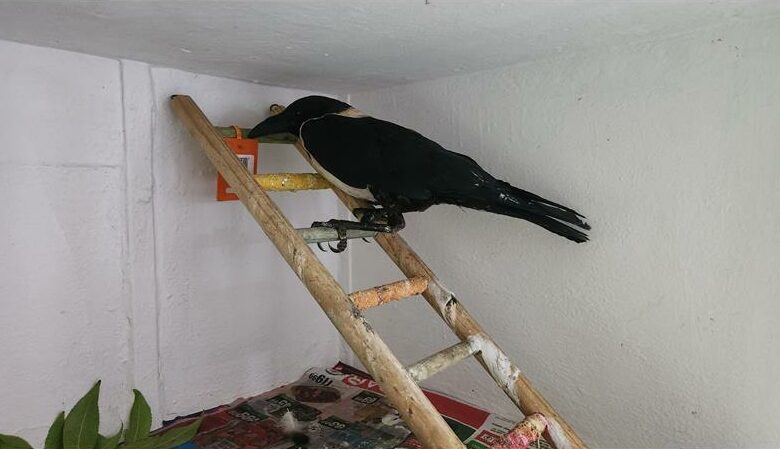
After a wild crow was found with an open wing fracture, Dr Johan Naudé from Randfontein Animal Hospital made the difficult decision to attempt a high-risk operation to repair the broken bone, despite the low survival rate in such cases.
Naudé explained that the crow was rescued from the side of the road and is believed to have been hit by a vehicle, similar to many cases they see involving owls. On examination, it was found that two fragments of the humerus bone (*a short bone located close to the body when the wing is folded) had pierced through the skin, causing severe bleeding. The crow had lost a significant amount of blood and was in a critical condition when she arrived at the practice.
He noted that when a wild bird allows itself to be caught, it is usually in a very poor state, as healthy wild birds avoid human contact. In cases of open wing fractures, risks include blood loss, infection, and damage to muscles and nerves. Veterinarians must also consider whether the wing will heal correctly, as improper healing can prevent the bird from flying and hunting. In many instances, euthanasia is considered the most humane option.
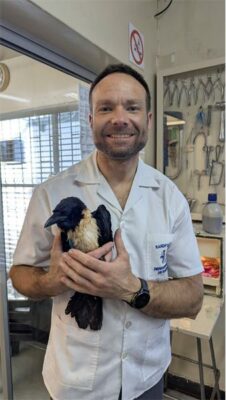
“It is a very difficult call to make. We want to give the birds a chance,” said Naudé.
Although his initial decision was to euthanise the crow, Naudé contacted someone with a special interest in crows, who encouraged him to attempt the operation. He added that surgery carries further risks, including death under anaesthesia or complications from infection, as well as the possibility that the wing may never heal properly.
Six days after the surgery, Naudé said the crow is doing well, although her condition remains touch-and-go. Over the next three to six weeks, they will determine whether the wing has healed successfully. If so, the feathers removed during surgery will need to grow back and the weakened muscles will need to be rehabilitated.
If the crow makes a full recovery, she will either be transferred to the Owl Rescue Centre or placed with a private individual for further rehabilitation. A few months into rehabilitation, her ability to fly will be assessed before a possible release back into the wild.
“She is drinking, eating and recovering. She is using the wing to a certain degree, but success in these cases is very low and the death rate is extremely high. It can still go either way,” said Naudé.
Naudé advised the public to avoid handling wild birds unless they are in immediate danger. Injured birds should be gently wrapped in a towel without squeezing, placed in a ventilated box and taken for medical attention. He stressed that wild birds must be released once healed and cannot be kept as pets.
“We are privileged to live in a country with so many wild animals. We need to help protect them and support organisations such as No More Tears Animal Rescue and the Owl Rescue Centre,” he concluded.
*Source: Veterinary Kinetics Rehab