
Stop, think, don’t get ambushed: Expert warns of Valentine’s Day scamming
As Valentine’s Day approaches, fraudsters are targeting emotions – here’s how to spot and avoid romance scams.
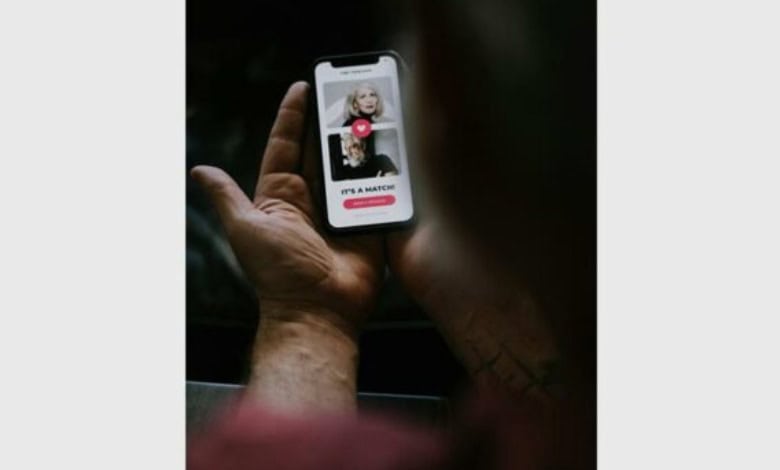
The Southern African Fraud Prevention Service (SAFPS) warns West Rand residents and fellow South Africans to stay alert this Valentine’s Day, as romance scams spike during February.
According to Manie van Schalkwyk, CEO of the SAFPS, while many search for genuine relationships, scammers prey on emotional vulnerability, using increasingly sophisticated, tech-driven tactics to deceive victims.
“Romance scams are highly elaborate, psychologically engineered, and technologically enabled. Although these scams happen year-round, they intensify around Valentine’s Day. We want South Africans to be alert, informed, and protected,” he said.
The illusion of connection: How scammers build trust
Social media and dating apps offer convenience but also fertile ground for scammers. They craft profiles that mirror an ideal partner – attractive, attentive, with similar interests – then invest time building trust and emotional intimacy. This is known as social engineering, where scammers use personal behaviour and shared information to influence or deceive.
“People underestimate the power of emotional engineering. Scammers don’t just steal money; they steal trust, dignity, and emotional security,” says Van Schalkwyk.
How scammers exploit victims
Romance scammers follow a predictable cycle:
• Identify emotional vulnerability: Target individuals who appear lonely, recently divorced, widowed, or isolated
• Create emotional dependency: Daily messages, compliments, and exaggerated affection accelerate bonding
• Isolate the victim: They subtly discourage confiding in friends or family, claiming the connection is “special”
• Financial manipulation: Requests for money often follow, citing emergencies like medical issues or urgent travel
• Disappear: Victims are left emotionally and financially devastated
“Romance scams are psychological warfare, designed to break down defences and exploit emotions. Awareness is your strongest defence,” Van Schalkwyk stresses.
Spotting a romance scam
Key red flags include:
• Avoiding in-person meetings or video calls
• Unusual interest in personal details, such as birthdays, children’s names, or pets
• Requests for money for emergencies, airtime, data, school supplies, or investments
• Promises of unusually high returns on investment schemes
“If something feels off, trust your instincts. If it seems too good to be true, it probably is,” Van Schalkwyk advises.
Protect yourself
• Limit what you share online, especially publicly
• Be sceptical of unexpected friend or message requests
• Do not share personal or confidential information
• Don’t transfer money without verification
• Report scams immediately to relevant authorities, platforms, and via the Yima reporting function or hotline
The SAFPS launched Yima (www.yima.org.za) to give South Africans tools for proactive fraud prevention, including a scam prevention toolbox, tips, and informative articles.
Protect your heart and your identity
As Valentine’s Day approaches, the SAFPS urges vigilance. Romance scams are preventable with awareness, caution, and the right tools.
“Trust must be earned, not assumed. Protect your heart, your hard-earned money, and your identity. Stop, think, and don’t get scammed,” Van Schalkwyk concludes.