The hidden mental health burden women carry
Psychologist Dr Molokasha Molokomme is encouraging women to let go of the pressure to appear 'fine', prioritise their mental wellbeing and seek help when they need it.
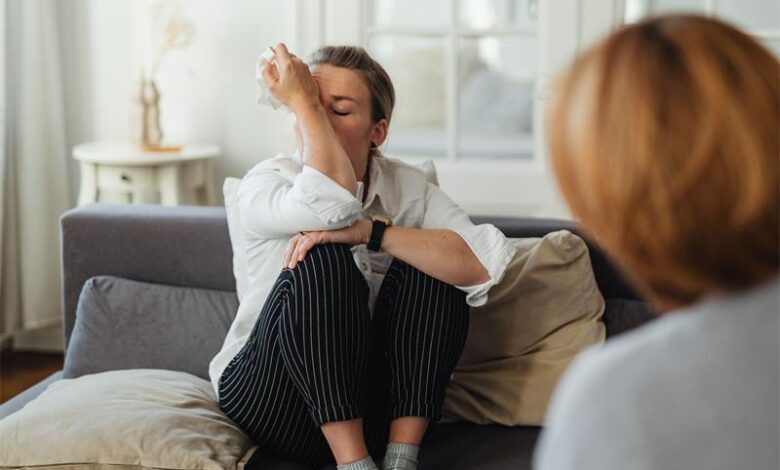
As Women’s Month shines a spotlight on the strength, resilience and achievements of women, psychologist Dr Molokasha Molokomme of Lenmed Randfontein Private Hospital is encouraging women to look beyond the pressure of appearing “fine” and to prioritise their mental well-being.
Through her work, Dr Molokomme says she meets women from all walks of life who appear to have everything under control, yet quietly struggle with emotional challenges behind closed doors.
She explains that societal expectations often place women under immense pressure to succeed professionally, care for their families, maintain relationships and still present a flawless image to the world.
“These expectations create a silent burden. Many women feel they cannot admit when they are struggling because they fear being judged or seen as weak,” she says.
According to Dr Molokomme, challenges such as infertility, relationship difficulties, financial stress, addiction and burnout affect far more women than many people realise, yet these struggles often remain hidden.
Looking beyond appearances
Dr Molokomme urges people not to judge others by outward appearances.
“The young woman wearing designer clothes, flawless make-up and driving a luxury SUV may look like she has everything together, but she could be contemplating suicide. We simply don’t know because we assume she has it all.”
She says that same woman could be coping with infertility, a failing marriage, addiction or financial hardship while hiding her struggles from those around her.
“We are often quick to admire people without asking what they might really be going through.”
Creating safe spaces
Dr Molokomme believes one of the most important ways to address these challenges is by creating safe spaces where women can speak openly and honestly.
She encourages women to check in on one another, ask difficult questions and listen without judgement.
“Sometimes all someone needs is to be seen and heard.”
She also emphasises the importance of self-compassion and letting go of unrealistic expectations.
“In a world where we celebrate women who seem to effortlessly balance successful careers while being the perfect mother, wife, sister and friend, it’s easy to believe we should all strive to be that person.
“But has anyone stopped, looked her in the eyes and asked, ‘Are you really okay?’ Too often, no one does because everyone assumes she is a superwoman.”
Dr Molokomme reminds women that difficult seasons are temporary.
“The painful seasons can feel endless, but healing comes one step at a time. There will be moments of laughter again, moments of peace and moments of hope.”
Seeking help is strength
Her message this Women’s Month is that strength does not mean perfection, and vulnerability should never be mistaken for weakness.
Rather than striving to be ‘superwoman’, she encourages women to embrace their humanity, prioritise their mental wellbeing and support one another through life’s challenges.
She also urges women who feel overwhelmed or are struggling to cope to seek professional help rather than suffer in silence.
According to Dr Molokomme, reaching out to a psychologist or another qualified mental health professional is a sign of strength and an important step towards healing.
Dr Molokomme has more than a decade of experience treating adult mental health conditions, including depression, anxiety disorders, bipolar disorder, schizophrenia, substance use disorders, adult ADHD and dementia. Her practice also provides medicolegal services.
Need help?
If you or someone you know is experiencing abuse, feels unsafe or is in immediate danger, help is available:
• SAPS Emergency: 10111
• Crime Stop: 08600 10111
• National Gender-Based Violence Command Centre (24-hour): 0800 428 428 (0800 GBV GBV)
• USSD “Please Call Me”: Dial *120*7867#
• SMS “Help” to: 31531
• National Domestic Violence Helpline: 0800 150 150
• Childline South Africa: 116 (free from any phone)
• Suicide Crisis Helpline (SADAG): 0800 567 567 or SMS 31393
• Mental Health Line (SADAG): 0800 21 22 23
If someone is in immediate danger, call 10111 or go to your nearest police station immediately.