
Experts warn against passive screen time during school holidays
Educational institution says school holiday screen time can become a tool for creativity rather than just entertainment.
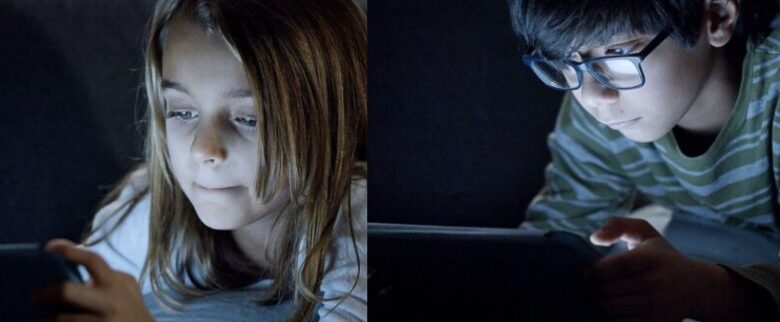
According to Logiscool, an educational institution, bored children are not the problem; passive screen use is.
“Every school holiday begins with the same optimism. Parents picture relaxed mornings, outdoor play and a break from school routines. But within days, a familiar complaint echoes through homes across the country: ‘I’m bored’,” said Logiscool Ruimsig co-founder, Semone Peacock.
Peacock added that what follows is predictable. Tablets come out, and gaming consoles switch on. YouTube becomes background noise for hours at a time. For many families, the conversation quickly shifts from how children should spend their time to how much screen time is acceptable.

“However, the real issue may not be screens themselves, but what children are doing on them,” Peacock warned.
Teachers increasingly argue that the modern challenge is not exposure to technology, but passive technology consumption. When children spend hours watching videos or scrolling through content, screens become tools of distraction rather than development.
Also read: Healthcare affordability a growing concern
She said that the approach, therefore, is to challenge that passive relationship with technology. Instead of simply consuming digital content, children are encouraged to create with it.
Students can build their own games, program robotics and develop digital projects that require problem-solving, creativity and logical thinking. The goal is to shift technology from being an entertainment device to a creative tool.
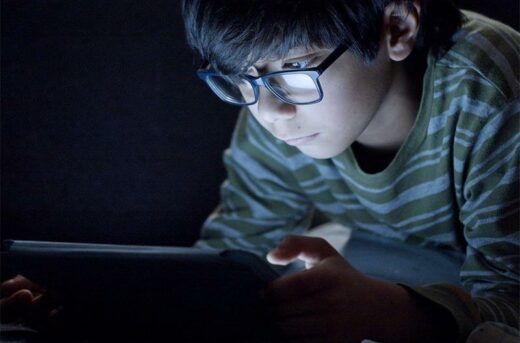
Peacock continued that the issue is not how much time children spend with technology, but how that time is used.
“Holiday boredom often leads to passive screen time. We aim to show children that the same devices they use for entertainment can also be used to build, invent and explore new ideas,” she added.
“Instead of asking how long children should be on screens, the more important question is what they are learning while using them,” Peacock concluded.