
South Africans pause to remember June 16
Nearly five decades later, the events of June 16 continue to shape South Africa's democracy and national identity.
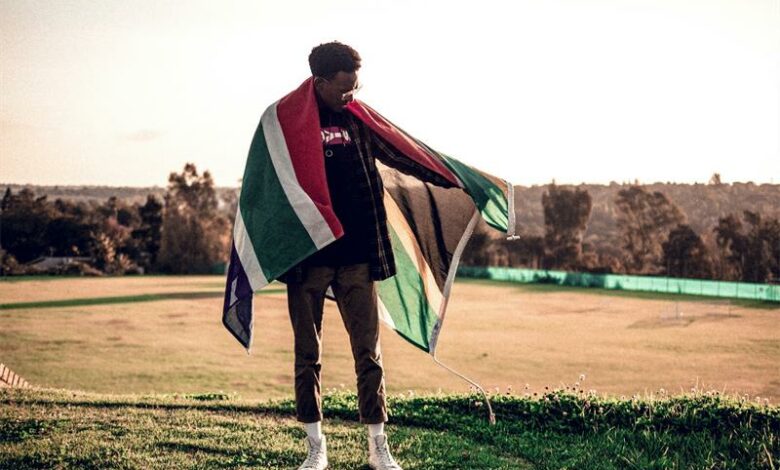
South Africans will once again commemorate Youth Day on June 16, a day dedicated to remembering the young people who lost their lives during the Soweto youth uprising of 1976.
The annual public holiday marks a significant moment in the country’s history when thousands of students took to the streets in protest against apartheid and, in particular, the unfair Bantu education system.
In 1975, protests began to emerge in African schools following a directive from the then Bantu Education Department that Afrikaans should be used on an equal basis with English as a language of instruction in secondary schools. This led to growing resistance among black students, who began organising themselves in opposition to the policy.
On June 16, 1976, thousands of students marched peacefully through Soweto to protest against the government’s directive. The march was intended to end with a rally at Orlando Stadium.
However, on their way to the stadium, the students were confronted by heavily armed police. Officers fired teargas and later live ammunition at the demonstrators, resulting in a widespread revolt that evolved into a national uprising against the government.
One of the most enduring images from that day is the photograph of 12-year-old Hector Pieterson being carried by Mbuyisa Makhubo while his sister, Antoinette, runs alongside in distress. The image, captured by SA photographer Sam Nzima, has become a powerful symbol of Youth Day and the struggle for freedom in South Africa.
Fifty years later, Youth Day remains an opportunity for South Africans to reflect on the sacrifices made by previous generations and the role young people continue to play in shaping the country’s future.
How will you be spending Youth Day?
Email us at randfonteinherald@caxton.co.za and share your plans with us.