Police incompetence rages on
Police brutality continues to be a problem, with corruption rife on all levels. While there are many who put their lives at risk and perform their duties flawlessly, the rotten apples give the entire police force a very bad name.
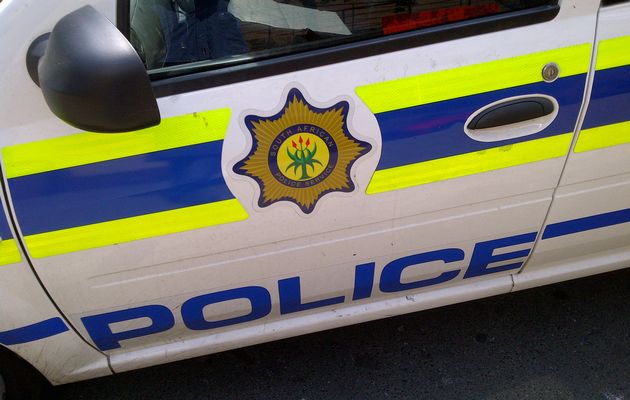
The alleged shooting of three protestors near Brits early last week again placed the focus on police brutality and misconduct. This comes after the massacre of 34 workers at the Marikana platinum mine and other high-profile cases over the past two years.
Closer to home, a case of murder is being investigated after a fruit and vegetable vendor was shot and killed in Pretoria last week in a confrontation with police. In fact, reports of police brutality in South Africa have reportedly soared by 313% in a decade.
While we realise that there are thousands of police officials who diligently do their work every day and risk their own lives to ensure our safety, the rotten apples among them are giving the whole police force a very bad name. Public civil claims against the police exceed R14b.
For taxpayers these amounts are bleak, seeing civil claims valued at more than R849m in relation to assault were laid and R1,1b in relation to shootings.
The Gauteng government paid out R100m for 2 079 claims against the police in 2011 and 2012. These figures emerged in written replies to a series of questions on civil claims against the SAPS late last year.
Gareth Newham of the Governance, Crime and Justice division of the Institute of Security Studies (ISS) said a total of 11 880 criminal cases were opened with the Independent Police Investigative Directorate (IPID) during the five years from 2011 to 2012. But this resulted in just 2 576 prosecutions and 129 convictions‚ meaning that only 1% of criminal cases opened against police officials end in a conviction.
According to a newspaper report, there were 720 deaths in police custody or as a result of police action in 2011/12.
The number of police disciplinary hearings that ended in a dismissal decreased from 12,2% to 9,6% between 2009/10 and 2011/12. More than a third ended with no sanction against the officer and 2 049 cases were withdrawn or ended in a not guilty verdict.
Newham highlighted figures showing that 1 448 police employees have convictions for serious crimes ranging from murder to rape and assault. “Why are convicted criminals allowed to continue to serve in the organisation responsible for law and order?” he asked.
The police budget increased 222% to R66,7b over the 10 years from 2003/4 to 2013/14, Newham said. Police personnel increased by more than 50%, or 67 035 posts, during 2002/3 to 2011/12. But this mass recruitment into the police, while understandable in the face of high crime, was poorly thought through by senior management and resulted in large numbers of police on the streets who are poorly trained, managed and supported, he argued.
Mass police recruitment put pressure on selection, training, supervision, discipline and performance management, and resulted in an increase of police misconduct, brutality and corruption, Newham explained.
“Throwing more money and people at the police is not the solution. We don’t need more people in police uniforms – we need professional police officers who are better trained, motivated and managed,” he said.
Low pay and morale, the daily risks in fighting violent crime and the recent ‘militarisation’ of the police‚ introducing army-style ranks and encouraging a ‘shoot to kill’ policy‚ have all been blamed for South Africa’s culture of police brutality.
Dr Johan Burger, a former officer now at the ISS, said in the same report: “You cannot only refer to ‘bad apples’ any more. The problem is far bigger than a few individuals. It’s about the leadership in the police itself addressing systemic factors.”