Government department warns of scam
“This year alone the DWS has received no fewer than 15 complaints by victims of the scams who have lost several millions to syndicates.”
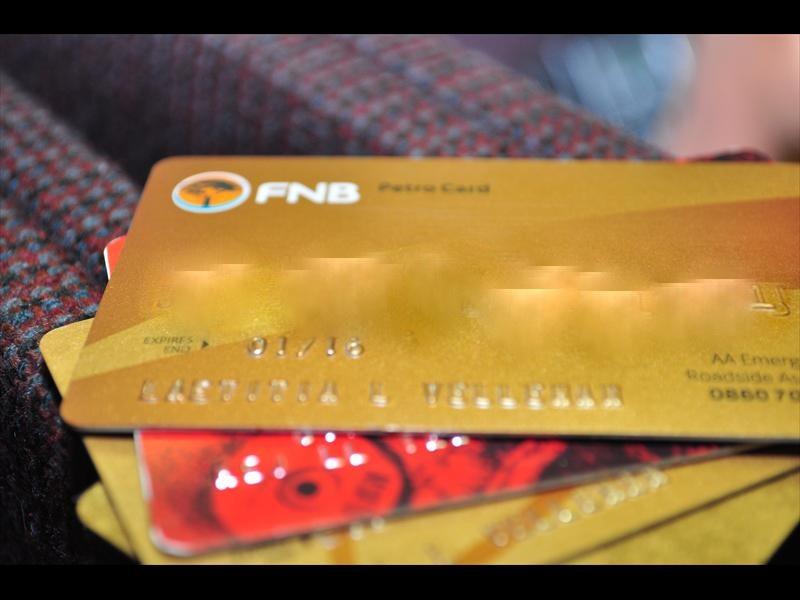
Despite numerous attempts to warn people about scams, businesses continue to fall victim, the government has charged.
The Department of Water and Sanitation said it was forced to issue another warning after yet another business reported it had been scammed of millions.
Spokesperson Sputnik Ratau said scammers created fictitious companies and a niche inventory.
“Once they obtain your company phone number, they call, pretending to be government officials, to ask you to supply goods they have listed as being supplied by these fictitious companies.
The fictitious company then asks the business to pay a deposit before the goods can be supplied.
When the business tries to follow up after paying, it is then that it learns the company was fictitious.
“The [fictitious] company cannot be traced.”
He said some companies had paid such large deposits that they were forced into bankruptcy.
“This year alone the department has received no fewer than 15 complaints by victims of scams who have lost several millions to syndicates,” he said.
“As police make more arrests, criminals are also getting smarter and it is up to businesses and citizens to be vigilant.”
He said the scammers used female accomplices to call the companies to ask them to supply the goods.
Ratau urged companies not to be blinded by the quick turnaround promised, huge discounts or professional sounding callers but to do their checks before agreeing to pay a company they didn’t know.
He said people should remember that government had set procurement rules.
“Anything below R30 000, needs three quotations. Goods, above R30 000 go out on tender. The process of tendering is not just a few phone calls and then your company wins the tender. There are site meetings, paperwork involved and verification. Anything quick is a scam.”
He advised companies who wished to supply government to be vigilant.
“Do not to focus on the prospect of making money from the government but always verify the authenticity of the entire process,” he said.
“It is wise to drive to that government department and ask to meet that particular person personally before you buy the goods ordered.”
He said if you decide to visit the department that has placed the order:
– Only agree to meet the said official in his or her office beyond the reception area at the official address of the specific department,
– Go to the receptionist and ask for the individual who has placed the order,
– If you have told the scammer that you are coming, he or she might try to intercept you to prevent you from going into the government building so do not give a description of your car or yourself or allow someone stop you speaking to the receptionist,
– If you have not been asked to sign in as a visitor to gain access to the building, you are probably not in a government building,
– An official meeting with a supply chain official should take place in an appropriately marked boardroom or office, not some isolated space under the staircase,
– An official supply chain meeting is unlikely to be with just one official, familiarise yourself with all officials present,
– If this is an authentic meeting you should be given proof that you have been awarded the supply contract and this proof will identify the goods you are expected to supply,
– Ensure the document is appropriately signed where it should be,
– If someone discourages you from taking a copy of the document or from showing that document to your lawyer, be suspicious.
Also read:
Do you have more information about the story? Please send us an email to editorial@rekord.co.za or phone us on 072 435 7717.
For free breaking and community news, visit Rekord’s websites: