North squatter camp relies on Illegal power
“As a community, every month we pay a certain amount of money to the person who made it possible for us to get electricity.”
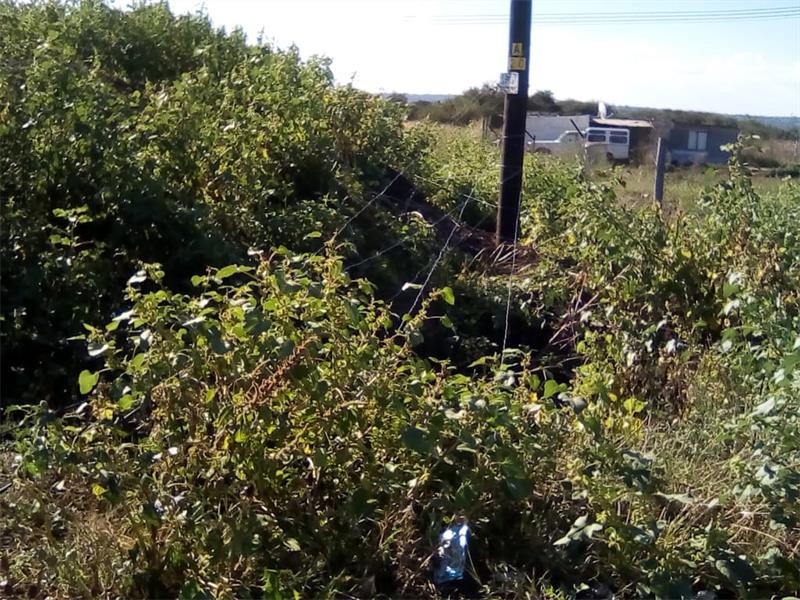
Informal settlers in Soshanguve extension 14 have been helping themselves to electricity via illegal connections (called ‘‘Izinyoka nyoka”).
This was their only source of power, they say.
“As a community, every month we pay a certain amount of money to the person who made it possible for us to get electricity,” resident Ellen Mazibuko told Rekord.
“This is called a maintenance fee, but one can never fully rely on the electricity supply. Sometimes it struggles to keep our electrical appliances working because of insufficient power.
“Sometimes, we cannot even cook. Currently, it has a tendency of switching itself on and off all the time and last week my TV burnt out because of it.”
Resident Elvis Maswanganyi said that he has been living in this community for the past two years, but the issue of electricity supply remains the biggest challenge.
“There was a promising project of having proper legal electricity supply, but we do not know what transpired with its progress,” he said.
“They just installed electricity poles and then simply disappeared. We have been awaiting their return to finish what they started, but it seems they would not be coming back.’’
Amogelang Mokoena is a single mother of two and living in a one-room shack.
“My children and I have been living in the dark for the past month because I could not pay a certain monthly fee to the guy who connects illegal cables, so he simply disconnected the cable supplying electricity to my shack,” she said.
“I want you guys of the media to disseminate the statement that I am supplying until it reaches Tshwane’s administrators. They should know how miserable it is to live here and supply proper electricity.’’

“The City is currently busy with a project to electrify houses in Ga-Rankuwa zone 14 informal settlement,” said Tshwane metro spokesperson Lindela Mashigo.
“Due to the enormous size of the area, continuous growth, resources to be placed and bulk capacity, the City is electrifying the area in phases and completes electrification of 500 houses per year.”
Mashigo said despite these challenges, to date over 4 000 houses have been electrified and connected to the grid recently.
“The current phase of the project for electrifying houses started in July 2019 and will be completed before the end of the current financial year.
“The contractor appointed under a 2015/16 contract implemented the project but had to vacate the site by the end of August 2019 due to contract expiry.
“Since then, a new contract was awarded in November and the new contractor assumed site in January 2020.
“However, because of the Covid-19 national lockdown, the new contractor had to put its work on hold,” said Mashigo.
Mashigo told Rekord that the contractor was finalising a safety plan to accommodate Covid-19 safety requirements and would be continuing with construction once the plan was approved.
Do you have more information about the story? Please send us an email to editorial@rekord.co.za or phone us on 083 625 4114.
For free breaking and community news, visit Rekord’s websites:
For more news and interesting articles, like Rekord on Facebook, follow us on Twitter or Instagram