Boost your child’s immune system in time for school
“A strong immune system does not necessarily mean your child will not get sick, but their body will be in a better position to fight against bacteria and viruses.”
Most of us heeded the president’s plea to keep safe, sanitise and stay home, which means that our children have been around fewer people, have been exposed to fewer germs, and may require a little immunity boost.
Catherine Clark, from the Harvest Table, says that even if you’ve already started giving them vitamins, there are other ways to help boost immunity.
“A strong immune system does not necessarily mean your child will not get sick, but their body will be in a better position to fight against bacteria and viruses.”
Clark offers these four ways to boost your child’s immunity:
– Encourage adequate sleep time.
Sleep is one of the most important components of the immune system. Many studies show that sleep deprivation increases susceptibility to infection in children. The Sleep Foundation recommends that children aged 3-5 years get 10-14 hours of sleep, and those aged 6-13 get 9-11 hours of sleep.
In order to help give your child a longer, better rest at night, it is essential to get them back into a well-defined sleep time routine. Have set bed- and wake-up-times, limit noise in the home by switching off devices and wind down by reading them a book.
– Keep up the hygiene
According to the Centres for Disease Control and Prevention (CDC), washing hands prevents illnesses and the spread of infections to others. They also recommend regular hand washing because it helps prevent 30% of diarrhoea-related illnesses, and 20% respiratory infections.
“Encourage your children to not only sanitise regularly, but also wash their hands often (and not only when they are visibly dirty). Furthermore, clean their toys and high-touch surfaces often to limit the transfer of germs.”
– Make movement a part of play
Research shows that prolonged hours of sitting can increase the risk of upper respiratory infections by two or three times a year, but moderate exercise can reduce this by stimulating an immune response in the body.
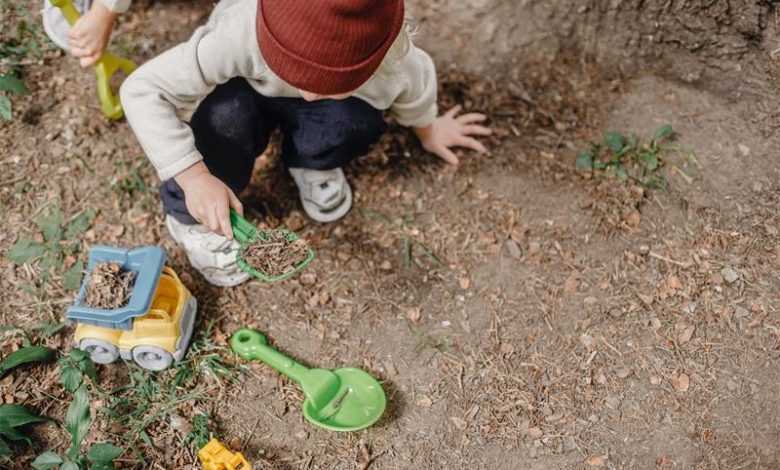
“Children don’t spend as much time outside as they used to due to distractions like television and other devices. It can be challenging to encourage them to do something outside, so it’s important to make outdoor play fun. And, it’s not enough to tell your children to play in the yard, you need to get involved too. They will be more motivated if mum or dad are doing it as well,” she said.
– Increase the consumption of probiotics and prebiotics
About 70% of the body’s immune cells are found in the gut. There are good and bad bacteria found in the gut.
Probiotics increase the good bacteria and thus reduce the potential damage caused by the harmful bacteria. Prebiotics, on the other hand, stimulate the growth of beneficial bacteria and directly impact the body’s defence system by decreasing susceptibility to inflammatory disease.
“Illness is a part of life. Your child is likely to still get sick, no matter how many vitamins and supplements they take, but boosting their immunity builds up their ability to fight off illnesses quicker and gives them a fighting chance,” Clark concludes.
Do you have more information about the story?
Please send us an email to editorial@rekord.co.za or phone us on 083 625 4114.
For free breaking and community news, visit Rekord’s websites: Rekord East
For more news and interesting articles, like Rekord on Facebook, follow us on Twitter or Instagram