Tshwane hit with conditions to resume ambulance services
Tshwane metro is allowed to resume services after its ambulances have been standing around unused for 12 days.
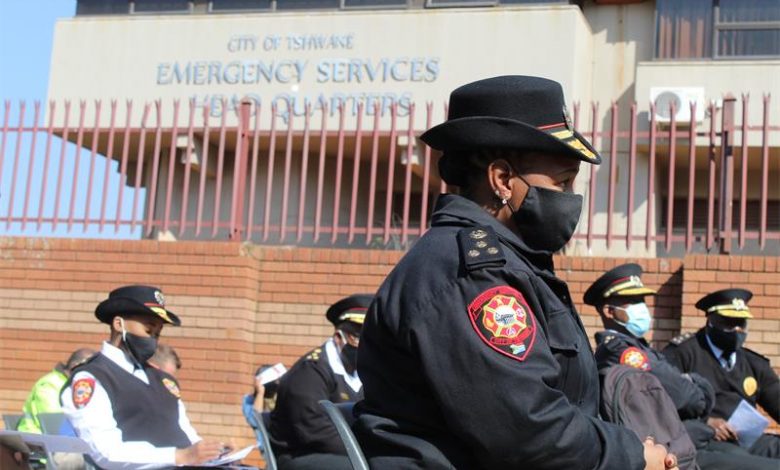
The Tshwane metro resumed its ambulance services on Wednesday after it was given permission to do so by the provincial government.
There was, however, one caveat – the metro could only resume services provided it was “without extra cost to the provincial health department”.
The resumption came after the Gauteng health department’s acting head officially informed the metro that it was granted a three-month exemption.
This exemption was made in terms of the national health act’s EMS regulations, pending the finalisation of the metro’s licence application.
“The exemption was granted provided we can operate the service at no cost to the provincial department within our own allocated funding,” said community safety and emergency services MMC Karen Meyer.
She said the emergency services department thus resumed its ambulance services after the metro confirmed it could do so.
She said Tshwane’s emergency medical services, including ambulances, have been fully funded by the metro council from its own funds “for years”.
“We do not depend on or receive any subsidy or funding from the provincial government. This service is a council-mandated function fully funded by the metro.”
She said while the exemption was a welcome temporary reprieve, it was still unclear why the metro had to experience a 12-day disruption to its ambulance services.
“The official letter from the provincial department is dated 10 March, but the document was created on 12 March. Yet, it was only sent to and received by us on 16 March.
“This delay is completely unacceptable.”
Residents can contact the metro’s 24/7 toll-free emergency hotline on 107 from any landline or cellphone for fire, rescue, ambulance and disaster response services.
Resumption of services came after Tshwane’s municipal ambulance operations came to a complete standstill because they were not granted the necessary licences because of the provincial government’s “provincialisation” process to merge such services.
According to the provincial government, this process was intended to “achieve seamless operations and equitable service across the province with a single command and control, unhindered by municipal boundaries”.
Do you have more information about the story?
Please send us an email to editorial@rekord.co.za or phone us on 083 625 4114.
For free breaking and community news, visit Rekord’s websites: Rekord East
For more news and interesting articles, like Rekord on Facebook, follow us on Twitter or Instagram