What are local municipal elections?
Municipal government elections are held once every five years and over 1,5-million people have registered to vote in Tshwane region for the upcoming elections.
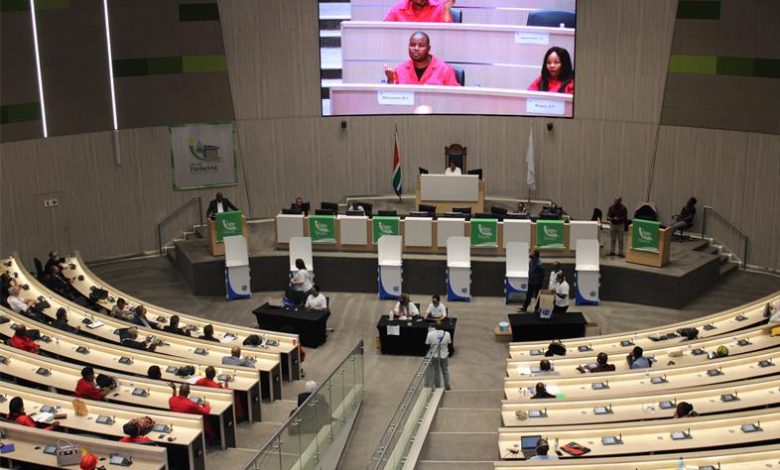
Tshwane metro is among the 278 municipalities across the country taking part in the upcoming local elections set for November 1.
A total of 1 526 295 people in the Tshwane region have registered to vote in municipal elections in Tshwane.
These elections are held once every five years but what are you exactly voting for?
The department of Cooperative Governance and Traditional Affairs (Cogta) in 2016 published an election guide written by Professor Jaap de Visser and Professor Nico Steytler which provided some of the following explanations to what happens in municipal elections:
In local government elections, the residents vote for their local ward councillor, who can be independent, or a person elected by a political party. The councillor carries the responsibility of assisting residents with municipal-related issues, taking forward the issues of the community and development proposals to the council among many of the responsibilities.
In the elections, PR councillors (proportional representation) are also elected.
Tshwane metro council has 214 seats; this consists of 50% of ward councillors and 50% of PR councillors.
Are the ward councillors and PR councillors voted for on different ballot papers?
Residents on average receive about two ballot papers during local municipal elections.
One ballot paper is for the voting of the local ward councillor.
On the second ballot paper, residents vote for a political party that they want to lead the Tshwane metro council. On this ballot paper, voters will find the symbols of the political parties contesting in the area.
In some areas residents will see long ballot papers as 46 independent candidates and 46 political parties will be contesting in Tshwane.
What services and issues are handled at local government?
– Service delivery
– Rates and tariffs
– Electricity and water services
– Emergency services (ambulances and firefighting department)
– Primary healthcare services (community clinics)
– Sewage and sanitation
– Refuse removal
– Roads infrastructure and storm water
– Public bus services
– Parks and recreational spaces
– Servicing local libraries
– Infrastructure development
– Creating a conducive environment to attract businesses that would provide jobs
– Land use discussions and decisions
– Local police traffic services
– Municipality budget finance management
– Environment health safety
WATCH: Cogta explaining on local municipalities

Do you have more information about the story?
Please send us an email to editorial@rekord.co.za or phone us on 083 625 4114.
For free breaking and community news, visit Rekord’s websites: Rekord East
For more news and interesting articles, like Rekord on Facebook, follow us on Twitter or Instagram