Factors to Consider while Choosing a Good Trading Platform or App in South Africa
Choosing a good trading platform or trading app can be a challenging task in South Africa. However, keeping certain factors into consideration can assist retail traders in making the right decision.
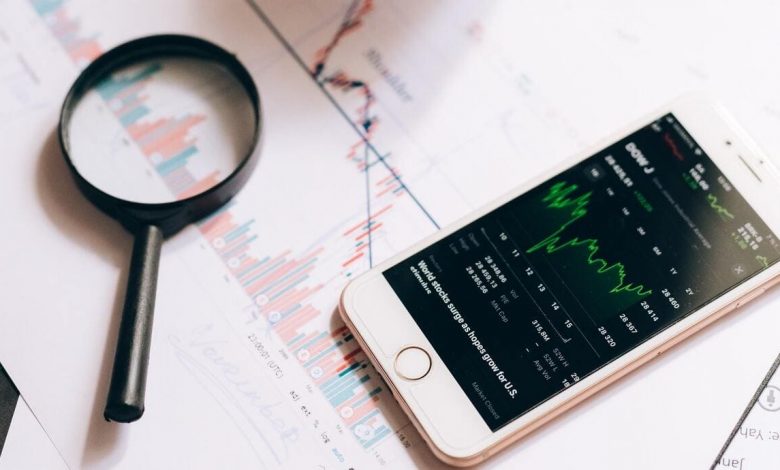
If you have made up your mind to trade online, the most important step is to choose a trading platform or app. The number of retail traders is increasing dramatically in recent years in South Africa. A lot of fake as well as authentic brokers have entered the market to suffice the rising demands in a competitive environment. Choosing a good trading platform or trading app can be a challenging task in South Africa. However, keeping certain factors into consideration can assist retail traders in making the right decision. Following are the most important factors that traders in South Africa must check while choosing a trading platform or app.
1. Must be Regulated
The regulatory license of the trading platform or app enhances the trust factor and makes it safe for traders in the concerned jurisdiction. A regulatory authority overlooks the activities of the trading services providers and safeguards the traders. One must always choose the trading platform or app with top-tier regulatory licenses. In South Africa, Johannesburg Stock Exchange (JSE) is the regulatory authority for stock and its derivative trading service provider. All stock brokers need a license from JSE to operate in South Africa. The Financial Sector Conduct Authority (FSCA) is the top-tier regulatory authority that regulates the forex, CFDs, and other financial markets in South Africa. If you are trading forex, you should only trade through regulated South African forex brokers for the safety of your funds. Verify the broker’s license no. from FSCA’s Search for Authorised and Applied FSPs & verify that its status is authorized & check the Products for which the broker is Approved. South African traders must always choose a trading platform or trading app that holds the regulatory license from JSE or FSCA. The details of the regulatory license are generally available in the footnotes of the official website of trading apps. These details can also be cross-checked from the website of the concerned regulatory authority.
2. User-Friendly Interface
The availability of various features at low cost won’t be as helpful if the interface is perplexing. Traders must ensure that they are comfortable with the interface allowing easy access to all the available features on the platform. Most of the stock brokers have their own proprietary apps for mobile & platforms for web, which differ from broker to broker, even though many features are common. While most forex and CFD brokers generally offer MetaTrader trading platform. Traders must be able to use all the features on the platform conveniently with easy trade execution. The look and feel of the trading app can greatly affect the convenience and experience of retail traders, so make sure that you feel comfortable using the broker’s app.
3. Lowest and Preferable Commission
Commissions are the charges that can be incurred while trading or without trading. The commissions are different for each trading platform or trading app for every instrument. These commissions must be thoroughly checked and compared with others to select the most cost-effective trading platform or app. Brokers or trading services providers may charge a commission for each deposit and withdrawal. They can also incur commission for executing trade orders, modifying trade orders, inactivity, account opening, currency conversion, etc.
4. Minimum Fees
Fees include all the costs that are incurred to traders while executing trades. The stock brokers generally charge a brokerage for each trade order. The brokerage can be based on the number of shares traded or a fixed percentage of the total amount traded. Forex and CFD brokers mainly charge a spread that is the difference between the bid and ask price of the underlying instruments. The upfront premium is the major fees component in derivative trading. Lower fees can increase profit-making opportunities and allow traders to book higher profits. Traders in South Africa must check and compare the fees associated with trading apps before opening the account and making deposits. Traders must note that some fake brokers seek to attract traders with low fees. Hence, fees should not be the only basis for choosing a trading platform or trading app.
5. Minimum Deposit
Trading involves risk. The involvement of high leverage further increases the risk factor in trading. At times, many of the newcomers in trading end up losing all the amount in their accounts. The minimum deposit requirement can thus play a major role. Trading apps or trading platforms with low minimum deposit requirements should be preferred by new traders. Platforms with high upfront deposit requirements make it unaffordable for many of the new traders to test out their strategies. The minimum deposit requirement at the chosen trading platform should be convenient for you. Apart from the minimum amount, traders should also ensure that a convenient deposit and withdrawal method like EFT in ZAR is available. The details, conditions, and commission for each available method must be checked thoroughly before choosing a trading platform in South Africa.
6. Reputation and Good History
Apart from the regulatory licenses, it is also important to check the reputation and the history of the trading platform or app. The number of active years in the industry and how the platform treated the clients during a financial crisis must be checked. Traders can check the reviews of trading platforms and apps by experts and existing clients online. Any reports of deceit or scam can be checked by contacting regulatory authorities like FSCA.
7. Range of Trading Instruments & Asset Classes
If you have decided to start trading, there must be some instruments that you are prepared to trade with. It must be ensured that the chosen trading platform or app allows trading on your preferred instruments. The availability of more similar instruments will increase the available opportunities. Each broker or trading service provider will normally offer trading services on multiple range of instruments. The details of all the available instruments on the trading platform or app are available online without opening the account. Traders must check and compare the number of instruments before choosing the trading platforms.
8. Research and Education Tools
Traders must ensure that the chosen trading platform or app offers adequate research and education tools for all types of traders. Basic charting tools, indicators, educational blogs, and news updates would be useful for the new traders. Experienced traders might need more advanced tools, indicators, and research reports for decision making. Some brokers and trading service providers do not make enough effort to educate the traders. While others will offer multiple features to enhance the trading abilities of traders. South African traders should always seek the latter.
9. Risk Management Features
Trading involves an element of financial risk which can further intensify due to high leverage or margin trading. Hence, risk management features can be quite useful in trading. Choosing a trading platform or app with useful risk management tools can be highly advantageous. The negative balance protection feature restricts the account balance from going into negative. It automatically closes the opened position if the account balance goes negative. Other risk management features like stop loss and take profit can also come in handy to limit the losses and protect the profits.
10. Customer Support
The support services to assist the traders can be quite useful in clearing any query faced while trading. New, as well as experienced traders, can face issues at any trading platform at any instance. A diligent and user-friendly support service with easy reachability through phone, chat, email, should be preferred over others. Traders can raise random queries through available methods like Email, Chat, Phone etc. to test the support service before opening their Trading accounts.
11. Free Demo Account
Trading directly with no prior experience with the real account is risky. Many trading apps and platforms allow new traders to open a demo account where they can gain decent experience with virtual currency. These demo accounts must be available free of cost for every individual. New traders are always advised to try their strategies and back test it with historical data for testing the suitability of their strategy with a demo account. A majority of the new traders face losses in the initial phase due to a lack of experience. You must only open your trading account after you have a trading strategy that you have tested with historical data or under real market conditions on a demo account for a period of at-least a few months.