Covid-19: Several Tshwane healthcare staffers test positive but community health response still effective
“The reproductive number of Omicron (which shows how many people are likely to be infected by one person) is currently 2.5, higher than at any other point in the pandemic,” says minister.
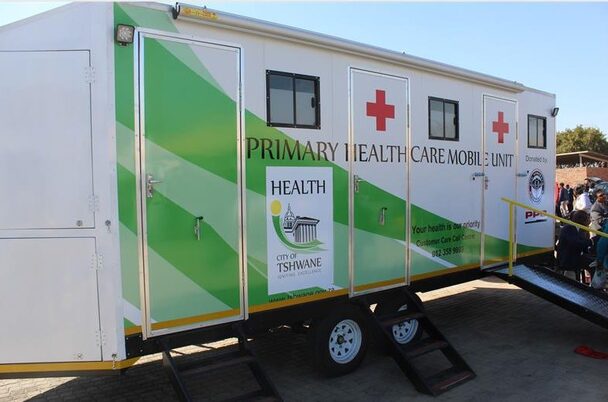
Despite several healthcare staffers being infected or affected by the fast-growing coronavirus infections in Tshwane, the metro says it still had enough capacity to effectively respond to the outbreak.
In the past three weeks, 74 staff members working under different categories from the 24 metro health facilities and mobile Covid-19 community testing clinic, went into isolation as a result of Covid-19.
Metro spokesperson Lindela Mashigo said a “large number” of these staff members have started returning to work.
“Health teams across the metro are under pressure as an increased percentage of staff members are in isolation as well as quarantine due to staff testing positive for Covid and/or their family/household members also testing positive,” Mashigo said.
“The remaining staff members are rendering services and assisting with the demand to the best of their ability.”
Since mid-November thousands of people in the region tested positive for Covid-19.
This increase has been evident in the number of people testing positive daily (test positivity rate) which was over 50% of some tests conducted. Tshwane recorded a high jump in active cases last week. As of Monday, the region had 20 425 active cases from 6 697 infections.
This increase in infections has seen residents queuing in long lines at clinics and the mobile testing clinics at shopping centres.
“There has been a definite increase in the demand for tests at mobile units across all seven regions of Tshwane,” Mashigo said.
“Some of the Tshwane metro-managed clinics have been consistently testing more than 100 people per day for the past week.”
According to the metro, in the week of November 29-December 5, tests conducted showed a 51,8% positivity rate for tests conducted by the mobile unit team. In the past week, more than 100 tests per day were being conducted at the mobile clinic.
Additional resources (test kits) have been allocated to also meet the growing demand, said Mashigo.
“The mobile unit teams are also deployed on Saturdays to ensure that community members now have access to testing over weekends as well. Before the resurgence of cases, the mobile team was allocated only Monday-Fridays when cases and demand for testing were low.”
ALSO READ: Top holiday budgeting tips for single moms and dads
Mashigo said clinicians reported that symptoms have been similar to previous variants with loss of taste and smell not reported as previously.
The metro urged the public to follow non-pharmaceutical measures to prevent the spread of the virus.
On the week ending November 27, Tshwane recorded the highest test positivity rates in Gauteng above 30%.
Gauteng command council co-chairperson, Dr Mary Kawonga, said the region remained at a high risk of Covid-19 transmissions due to high infections reported weekly. Two weeks ago, the region recorded almost half of the Gauteng infections.
“The same measures that were used for Sars-CoV-2 remain important. These include adherence to non-pharmaceutical interventions and vaccinations. There is currently no evidence that the Covid-19 vaccines used in SA will not protect against severe disease with the Omicron variant,” she said.
Health minister Dr Joe Phaahla said on Friday it was not yet clear, but it was likely that Omicron was more easily spread from person to person compared to other variants.
“Omicron very quickly displaced Delta as the dominant variant in Gauteng,” Phaahla said.
“The number of people testing positive has risen rapidly in Gauteng and Omicron has spread to most provinces.
“The reproductive number of the virus (which shows how many people are likely to be infected by one person) is currently 2.5 higher than it was at any prior point in the pandemic.”
The severity of the disease caused by the variant remains under investigation.
Do you have more information about the story?
Please send us an email to editorial@rekord.co.za or phone us on 083 625 4114.
For free breaking and community news, visit Rekord’s websites: Rekord East
For more news and interesting articles, like Rekord on Facebook, follow us on Twitter or Instagram