Rabies: All you need to know to keep your dog safe
A vaccination drive in Pretoria has highlighted the vital importance of protecting pets against the deadly rabies virus.
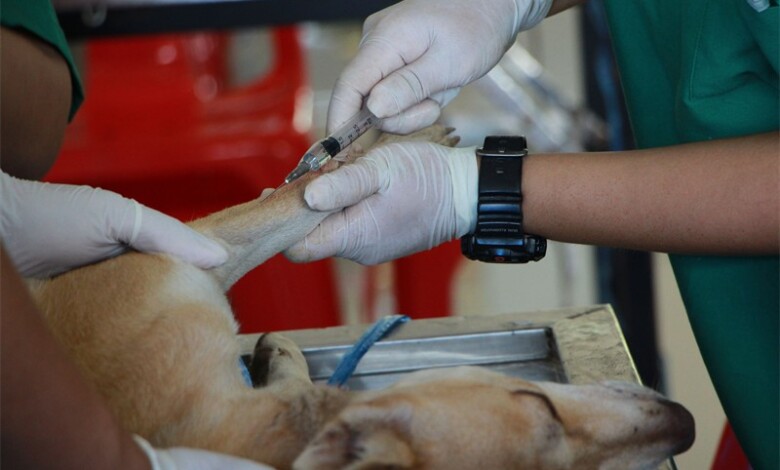
As hundreds of dogs were recently vaccinated against rabies during a campaign in Pretoria, the need to protect pets against the virus has once again come under the spotlight.
According to the National Institute for Communicable Diseases (NICD), dogs that are not fully vaccinated against rabies remain susceptible to infection.
The virus attacks the nervous system and, while it is reported in various wild and domestic animal species, most rabies cases in South Africa involve domestic dogs.
Although human rabies cases are rare in South Africa, they are still confirmed annually.
How dogs contract rabies
Rabies is transmitted through saliva, most frequently passed through a bite wound from an infected animal.
When a bite breaks the skin, the virus enters the bloodstream. It can also enter through an open wound exposed to an infected animal’s saliva, usually through licking.
While transmission between pets can occur, rabies in dogs most frequently results from exposure to wild animals such as bats, raccoons, and foxes.
Recognising the symptoms
A dog’s behaviour following a bite from a potentially rabid animal is the primary indicator of infection. A veterinarian should be contacted immediately if rabies is suspected.
Infected dogs may become restless, irritable, or aggressive.
Physical symptoms include fever, difficulty swallowing, excessive drooling, staggering, seizures, and paralysis.
As the virus progresses, dogs may display extreme sensitivity to light, movement, and sound, often seeking dark, quiet places to hide.
Do you have more information about the story?
Please send us an email to bennittb@rekord.co.za or phone us on 083 625 4114.
For free breaking and community news, visit Rekord’s websites: Rekord East
For more news and interesting articles, like Rekord on Facebook, follow us on Twitter or Instagram or TikTok or WhatsApp Channel