Informal settlement dwellers living in fear amid relocation
“We witnessed people being assaulted in front of us because they were being vocal. We also know of many who were threatened with assault if they continued to speak out of turn."
VIDEO:
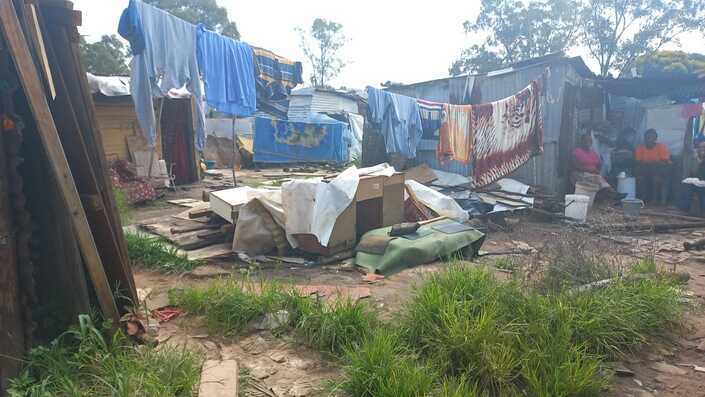
Illegal dwellers at the Heatherdale informal settlement say they are living in fear following alleged intimidation and violence over their relocation to permanent stands elsewhere in the north of Pretoria.
“We’re living in fear because we are being oppressed by people who threaten us with being beaten and even with guns,” a dweller who preferred to remain anonymous out of fear of victimisation, said.
She said the threats of violence and gun-wielding began when the relocation of dwellers at the informal settlement began in December last year.
“We witnessed people being assaulted in front of us because they were being vocal. We also know of many who were threatened with assault if they continued to speak out of turn,” she said.
“I could become an even bigger target for speaking to the media.”
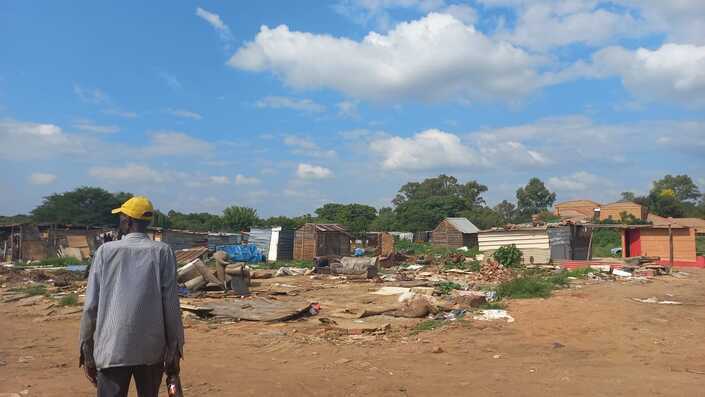
This as the remaining illegal dwellers at the portion of land in the Heatherdale area still in limbo over their relocation.
The allegedly abrupt relocation process commenced at the beginning of December, but came to halt toward the festive period break.
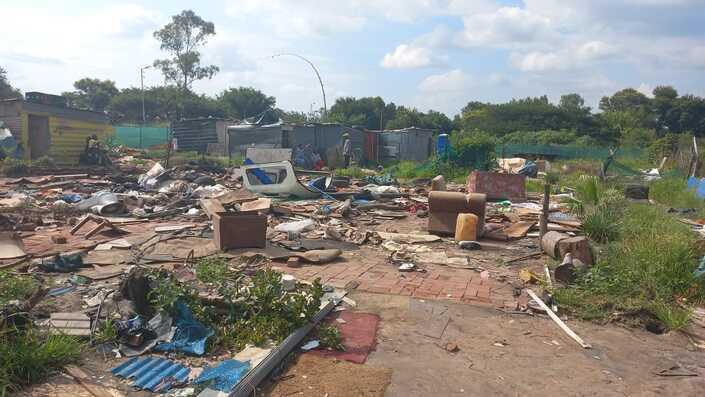
“Many people even left their belongings and parts of the building materials they used for their shacks because they could only take a limited number of things.
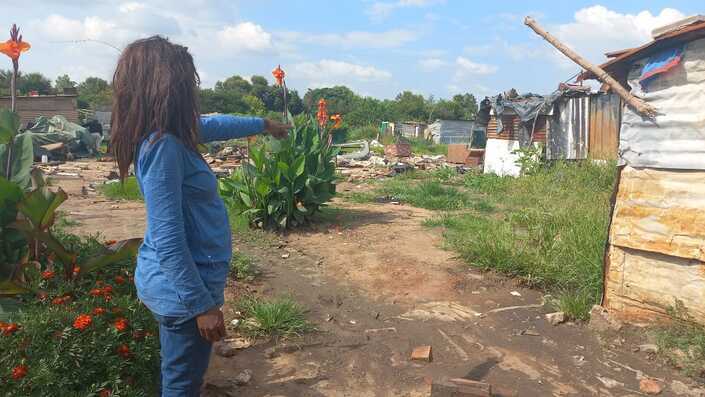
They were told that they had to be selective about what they took and that the truck would not come back for the remainder of their things,” the illegal dweller told Rekord.
According to another source, who also preferred not to be named, only around 100 families remained at the informal settlement, out of an initial 800.
He said they did not have any objections about moving, but questioned why foreign nationals were in the lead in relocating and being allocated permanent stands when they had been informed that only South African citizens would be accommodated.
In December, Tshwane metro spokesperson Lindela Mashigo confirmed that only 210 South African citizen beneficiaries would be accommodated.
“The national Department of Home Affairs will attend to foreign nationals at the settlement in line with the applicable legislation. The city is working in collaboration with Home Affairs as well as the community safety department,” he said.
Mashigo also said that any form of intimidation should be reported to the metro.
Once the illegal dwellers were moved to the proposed portion of land, Mashigo said they would be given their “permanent” stands and provided with rudimentary water and sanitation and waste management services.
“The proposed land – Orchards 110 – is owned by the city. It is an undeveloped and vacant property of 276 hectares and is zoned for residential use in terms of the Municipalities’ Town Planning Scheme, 2008 (the scheme), effective from November 13, 2014,” he said.
Mashigo further said the metro would, meanwhile, be attending to permanent reticulation of water sewers, electricity, roads and storm water work.
“In terms of the layout plan, the township will provide for all other land use for required social amenities – schools, ECD (early childhood development), open spaces, business sites, municipal space, residential, taxi rank, etc,” Mashigo said.
However, one of Rekord’s sources disputed that the land provided for schools, adding that it was also a distance away from public transport facilities.
“Why are they relocating us to a place where there are no schools for our children? There isn’t even transport for our children or even public transport. The police station is also very far from where we’re being relocated to,” she said.
ALSO READ: Hostel dwellers illegally occupied temporary residential units
The illegal dwellers were being booted out of the informal settlement to make way for an apartment complex similar to the one adjacent to the settlement – Akasia Place.
“The owners of the occupied land, The Housing Hub, will build rental stock as per the approval from the Social Housing Regulatory Authority to build or develop the social housing scheme,” Mashigo said.
The Housing Hub was also the owner of Akasia Place.
In 2014, the court granted the Housing Hub an eviction order against the illegal dwellers.
A year later, the Tshwane metro was said to have agreed to move the informal settlement dwellers, but the process was reportedly delayed until the metro identified a suitable portion of land where the dwellers could be moved to around two months ago.
Do you have more information about the story?
Please send us an email to editorial@rekord.co.za or phone us on 083 625 4114.
For free breaking and community news, visit Rekord’s websites: Rekord East
For more news and interesting articles, like Rekord on Facebook, follow us on Twitter or Instagram