Eradicate Tshwane hostels and create plan to leverage CBD abandoned buildings
Human settlements committee plans to eradicate hostels such as Mamelodi hostel as the old hostel model has become undesirable and urgency is needed to eradicate the vestiges of the old regime.
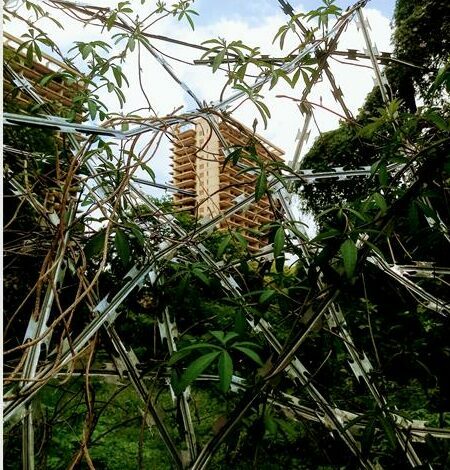
The Tshwane metro must come up with a clear strategy on how abandoned buildings, such as Schubart Park and Kruger Park in the Pretoria CBD, can be used to alleviate housing problems in the area.
This was according to the Department of Human Settlements portfolio committee.
The committee urged national, provincial governments and municipalities to focus on so-called “integrated human settlements models” as a measure to eradicate hostels.
“The old hostel model is undesirable,” said the committee’s chairperson, Machwene Semenya.
“Urgency is needed to eradicate the vestiges of the old regime.”
According to the committee, a majority of hostel residents are unemployed.
“They thus require a broad range of interventions.”
The committee called on the Department of Human Settlements to develop family units capable of accommodating entire families and thus maintaining family structures.
“There is high unemployment in Mamelodi and South Africa in general. Hostels are populated by largely unemployed residents. This impacts on the ability to collect rent, leading to dilapidation and non-maintenance,” said Semenya.
The committee called for collaboration between the municipality, hostel residents and the broader community to reduce friction between them.
She said the committee welcomed the development of temporary residential units at the Mamelodi hostel as part of a Covid-19 decongestion intervention.
“Despite this, the committee calls for a proper process followed by clear implementation of prescripts of the process in the allocation of the units.”
Semenya urged the municipality to work together with the Valuer-General to ensure that land was purchased at a good price and not overpriced.
“With regards to the inner city megaproject, we appreciate the quality of workmanship at the site. We also welcome that local businesses participated in the development. But we have called for the completion of phase 1 of the project to ensure tenure security for the people of Tshwane.”
The Schubart Park building has been the subject of the West Capital court proceedings and cannot be developed until this has been settled.
In 2008, residents at Schubart Park received eviction notices from the Tshwane municipality, claiming that the building was unfit for habitation.
Residents were moved to non-government organisations (NGOs), Atteridgeville and Salvokop, among other places in 2011.
The residents were, according to the metro, offered alternative accommodation at the time; however, the offer was not taken up by the former residents.
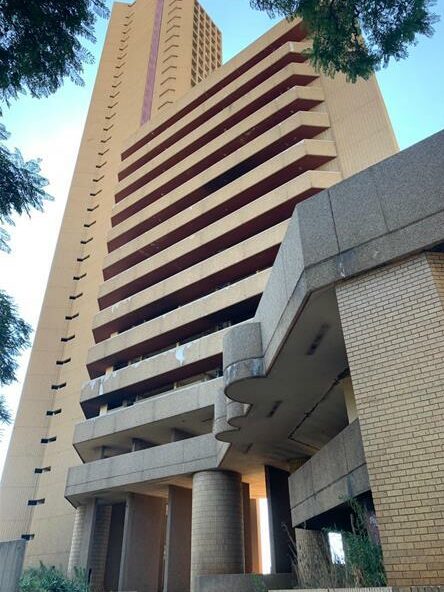
Over the past few years, the Tshwane metro has also promised that the Kruger Park building would be restored with funds allocated to the refurbishment of Kruger Park and the Melgisedek buildings.
The 33-storey dilapidated Kruger Park building has been vacant for more than 10 years.
The building has allegedly been used as a hideout by criminals.
The metro has yet to respond to an enquiry over plans for their buildings.
ALSO READ: Duo arrested for operating ‘bogus’ school out on bail
Do you have more information about the story?
Please send us an email to editorial@rekord.co.za or phone us on 083 625 4114.
For free breaking and community news, visit Rekord’s websites: Rekord East
For more news and interesting articles, like Rekord on Facebook, follow us on Twitter or Instagram