Former employees urge metro to deal with alleged corruption leading to job losses.
“I’ve been affected to a point where I might end up as a homeless man.”
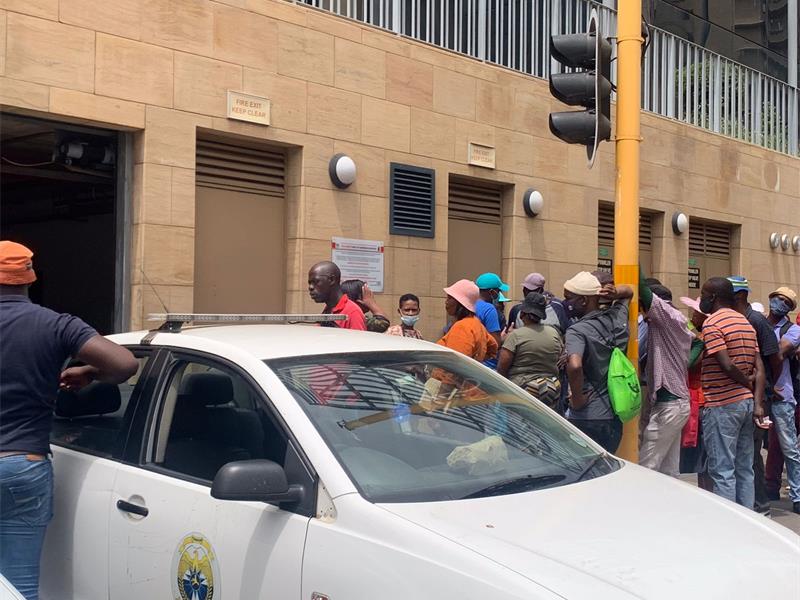
Former Tshwane employees have urged the metro administration to account for the alleged corruption and maladministration that led to 627 employees losing their jobs and being unable to claim UIF.
The workers’ representative, Cedric Cele said that hundreds of workers had approached the Special Investigating Unit (SIU) on allegations of irregularities and improper HR processes against the Tshwane metro municipality.
The workers also contacted parliament and the public protector for assistance in the job conundrum with Tshwane.
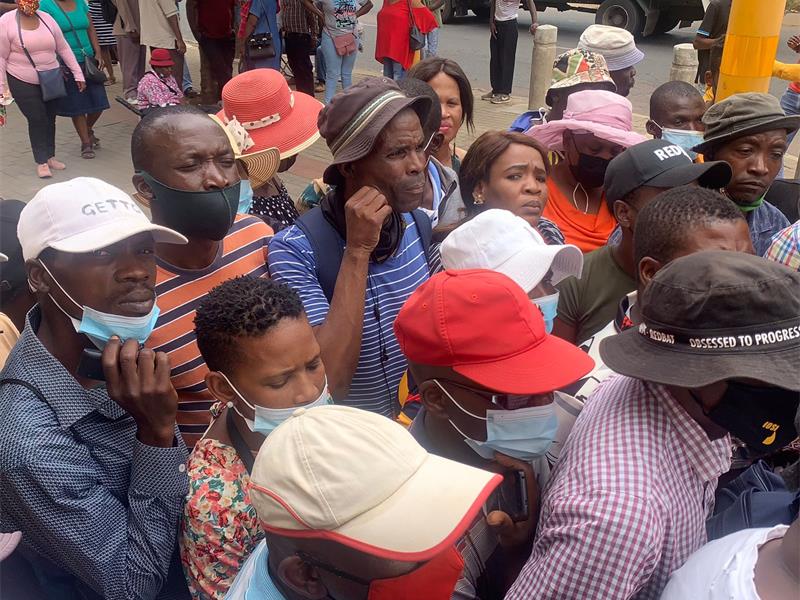
The string of complaints were regarding the processes followed in the processing of the unemployment insurance funds (UIF) and termination of employment contracts.
“We were employed on November 2019 as general workers of the city of Tshwane, however, we were shockingly given our first pay slips on February, 4, 2020 referring to us as “capacity worker”, said Cele.
He said since their dismissals later in October 2020, and also being unable to claim UIF, many of the former workers were left stranded financially.
“This period without work has been traumatic for too many people. We cannot go out to fend for ourselves or look for work as the majority of us cannot afford the transportation costs of seeking work.”
Cele said since their ordeal, claiming from UIF has proven difficult.
“We cannot even qualify for social grants of R350.”
One of the affected employees, Mpho Meso said it was difficult to get a job due to their work status and Covid-19.
“According to various workplaces where I have applied for jobs, I am told that I am a permanent employee at the city of Tshwane.
“It’s been almost a year since I have worked and further not receiving any kind of salary.”
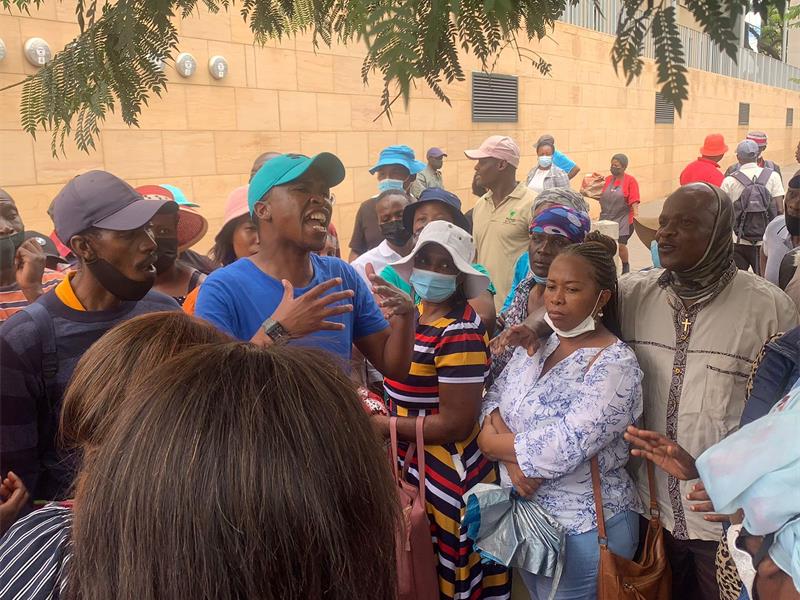
He said the Tshwane metro was always making promises to the people, but never fulfilling them.
“We are struggling, we have children who need clothes, school fees and food, we need to pay for rent, which is something I’ve been struggling to pay.
“I’ve been affected to a point where I might end up as a homeless man.”
According to the Tshwane metro, when the employment contract of the 627 workers ended in 2020, the municipality sent them termination letters.
The metro asked them to visit their HR agent to complete a slew of documents, including the UIF (UI-19) form, which formalised their termination.
Tshwane metro spokesperson Lindela Mashigo said the former employees were only contracted on a 12-months fixed-term employment contract.
Mashigo said the contract stretched from November 2019 to October 2020.
“The employees were, therefore, never dismissed, but their contracts of employment came to an end.”
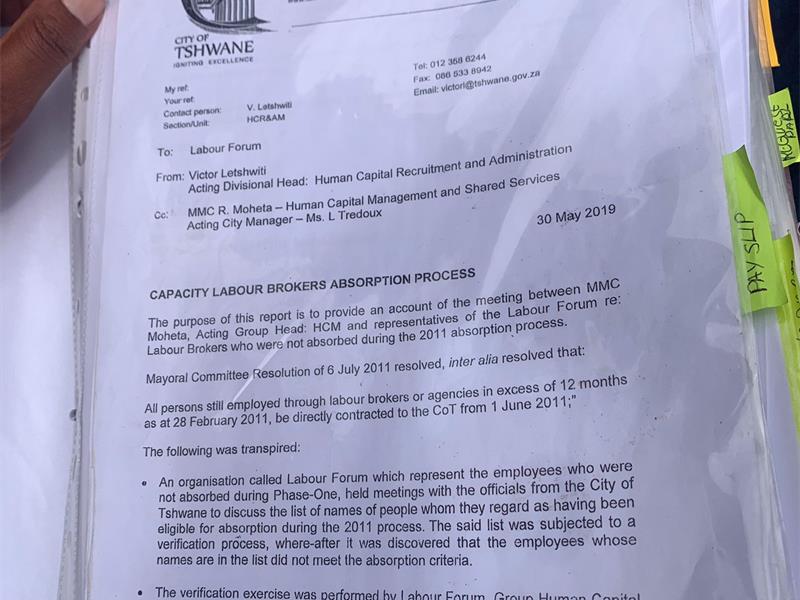
He said the Tshwane metro had also been assisting them in regards to their UIF and other compensations they claimed they were owed.
“The city has prepared and has been distributing the UI-19 forms to the former employees who came forward to request their forms.”
He said the group had also taken the matter to court and the outcome was still being awaited.
The metro said it opted not to extend their one-year employment contracts, which led to protests, an arbitration case and a labour court matter.
The metro was, however, confident it would win the cases because the workers were given a clear and fixed temporary contract of employment.
“The municipality had never absorbed them, and it was clear it would not re-hire them.”
He also questioned the validity of a letter one of the workers had, which stated he was permanently employed.
He said the letter could not be valid and it also appeared to be stamped on October 27, which was the date their contracts were terminated.
Do you have more information about the story?
Please send us an email to editorial@rekord.co.za or phone us on 083 625 4114.
For free breaking and community news, visit Rekord’s websites: Rekord East
For more news and interesting articles, like Rekord on Facebook, follow us on Twitter or Instagram