Minister of Finance says e-tolls’ user-pay system should not be entirely killed
The cabinet is still mulling over the contested e-toll scheme after yet another missed set date for a decision announcement.
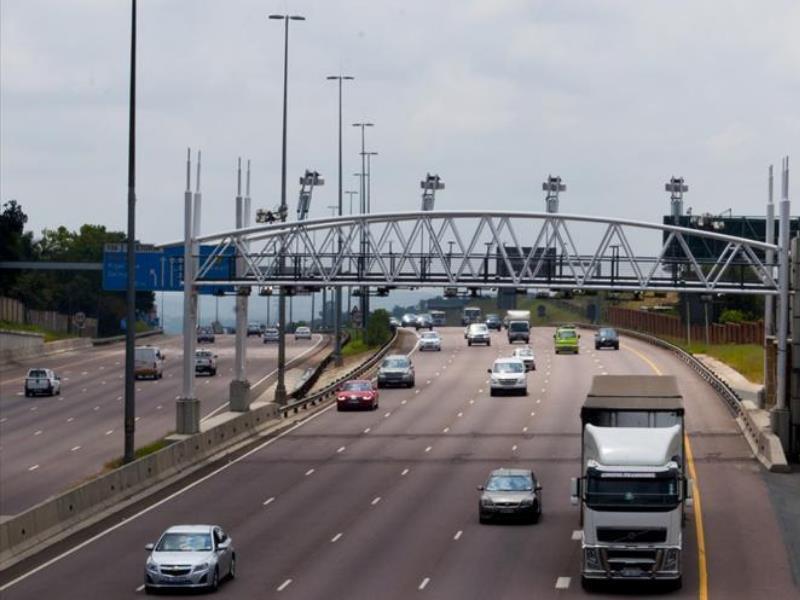
Pushing up fuel prices to pay the government’s e-tolls debt would simply put too much pressure on consumers, according to finance minister Enoch Godongwana.
Godongwana was speaking during a post-budget brief to parliament last week.
He said fuel prices were already a problem with more than 40% of the price owed to administration fees. Incorporating a fee in the fuel prices for e-tolls would be too much for the working class to handle.
“Calculations by Treasury shows that to compensate for the e-tolls, we will have to add another 74 cents to the fuel price,” Godongwana said.
Such an increase would have a “massive impact” on consumers.
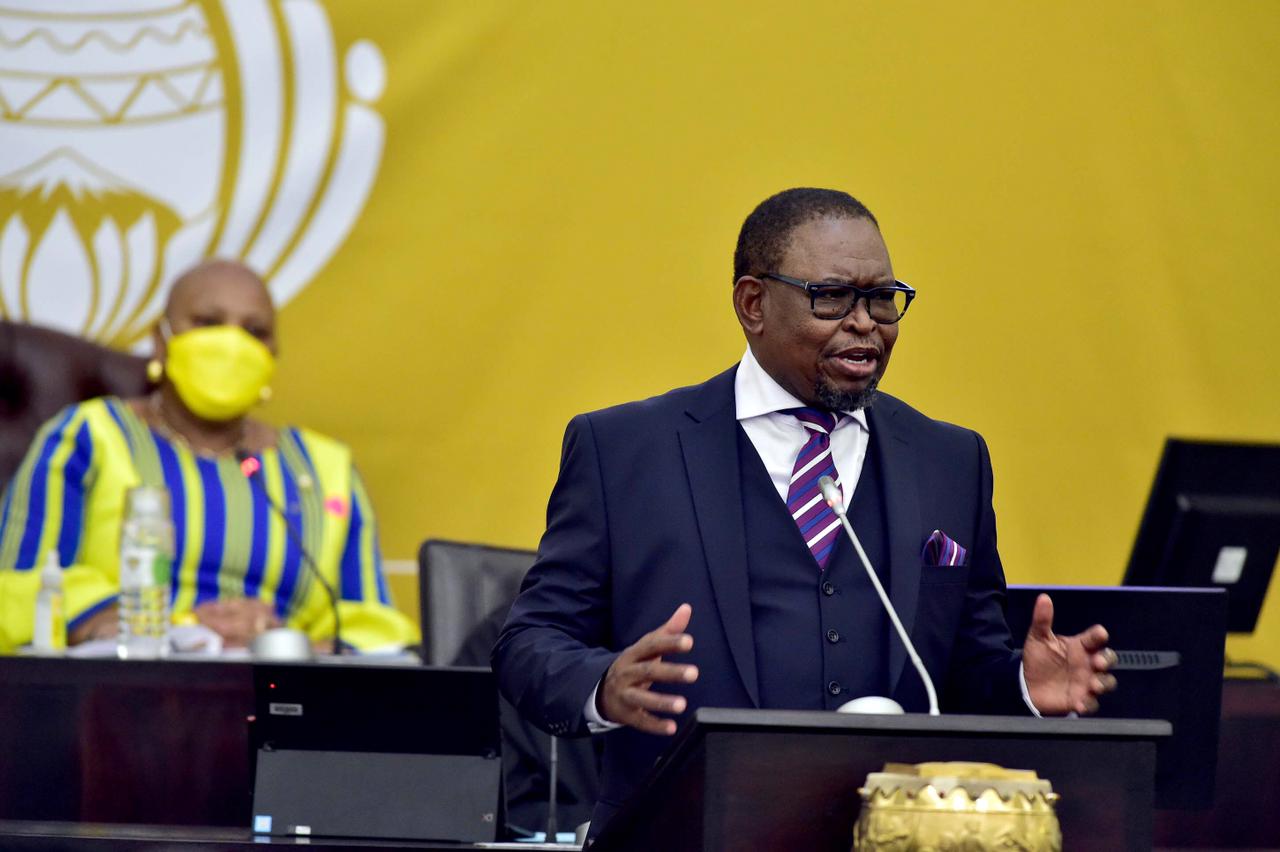
Godongwana said the increase in fuel prices would also negatively affect the taxi industry, which was exempted from the user pay scheme.
Such an increase would be “a blunt instrument” that would be binding the taxis, he said.
As discussions between the Treasury, the Department of Transport and the Gauteng provincial government continued, Godongwana said that whatever the final decision may be, “we should not kill the principle of user pay”.
He said the cabinet would make an announcement on the scheme in “due course”.
In the 2022/23 financial year, the Treasury allocated an additional R9.9-billion to Sanral to maintain the non-toll road network.
However, the civil rights organisation opposing e-tolls, Organisation Undoing Tax Abuse (Outa), believed no increase was needed as the fuel levy in its current form was enough to pay for the tolling system.
Outa has publicly over the years rejected the e-toll scheme and proposed that the government could pay for the scheme by implementing an increase in fuel prices.
Outa CEO Wayne Duvenage said due to fuel increases over the past 12 to 13 years, he believed that these should have been enough for the government to pay for the e-tolls.
Duvenage said while the fuel increase system was never formally adopted for e-tolls, fuel prices over the years constantly increased.
“The fuel levy is also a user-pay scheme. Back in 2008, we proposed that they must increase fuel by 10 cents per litre to pay for the e-tolls,” he said.
“Over last 12 to 13 years they have increased the fuel levy between R2 to R3.50 cents and this should have been enough. Through this, they [Sanral] got the money and the Treasury has allocated them funds.
“For the past six years [Sanral] has been allocated funds by the treasury to pay the [e-tolls].
“There is nothing else they need to do than to decide to pull the plug on the scheme. They can use the campus for monitoring things such as crime.”
Duvenage said taxpayers were indirectly funding the scheme as Sanral received funding from the treasury every financial year.
“We pay Sanral through taxes and Sanral pays the bond for e-tolls.”
ALSO READ: SARS crackdown against errant taxpayers
Transport department spokesperson Lawrence Venkile said the department would be updating the nation regarding the scheme after a decision has been taken by the cabinet.
The department had said the decision on e-tolls would be announced during the budget but this did not happen. This was yet another missed date of several.
DA Gauteng spokesperson for roads and transport Fredrick Nel said the party was “extremely disappointed” by the constantly missed dates.
“E-tolls will now continue to be a burden to our residents who are already buckling under the pressure of the high costs of basic goods and services,” he said.
“Furthermore, many small businesses are unable to afford the e-tolling fee each time their vehicle passes through an e-toll gantry while delivering goods.
“The time for e-tolls to be used as a tool to gain votes and to tug at the heartstrings of our residents are over.”
The scheme was implemented in December 2013 between Tshwane and Johannesburg.
Since then it has been met with public rejection with motorists refusing to pay. Political parties and civil organisations have also protested against the system, putting pressure on the government to scrap the e-tolls.
WATCH:
Do you have more information about the story?
Please send us an email to editorial@rekord.co.za or phone us on 083 625 4114.
For free breaking and community news, visit Rekord’s websites: Rekord East
For more news and interesting articles, like Rekord on Facebook, follow us on Twitter or Instagram