Illegal dumping site turned into vegetable garden
“We realised that there was a dumping site on every corner where we live.”
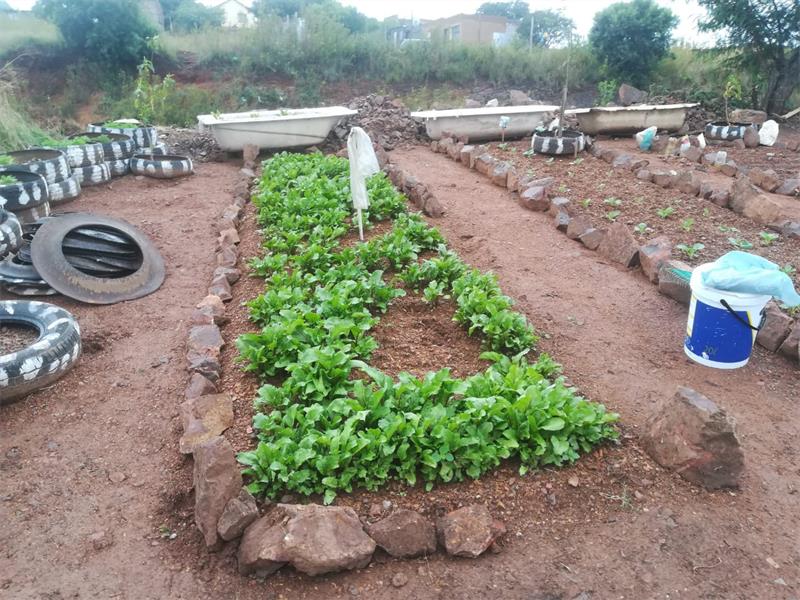
“Planting a garden is about believing in tomorrow.”
These are the words of Soulbent project founder, Mashudu Makhado, who transformed an illegal dumping site into a vegetable garden.
“We realised that there was a dumping site on every corner where we live,” said the 39-year-old from Saulsville, west of Pretoria.
“Thus, we decided to clean our community into a vegetable garden so we can help our community with vegetables.”
Makhado said the dumping site in extension 6 has been in existence for over 10 years.
“The NGO employs over 100 people. The profit is then used to pay employees and to buy garden equipment,” he said.
He said the employees were involved in the planting and the daily upkeep of the garden.
“We then sell the vegetables to our community. We hope to sell to big companies too.
“We buy the seeds or get raw tomatoes from greengroceries.
“Our employees are not paid monthly because of the shortage of equipment and they are sometimes given vegetables that they harvest to take home,” he said.
Makhado said the purpose of this idea was to give back to the community by creating jobs for the youth and helping people put food on the table.
While cleaning up the dumping site, they found discarded nappies, shoes, food and plastics.
“We tried recycling, but we started having more snakes and rats in our backyard,” he said.
Soulbent is an initiative that focuses on cleaning up illegal dumping sites, streets, streams, wetlands and rivers to farm vegetables.
Makhado said they also dealt with irrigation, soup kitchen to feed the community and supplying young girls with sanitary towels.
“We plan to expand to different areas in our community and more places to plant vegetables.
“I identified the need for such an idea in our community because of the high unemployment rate, which leads to teenage pregnancy,” he said.
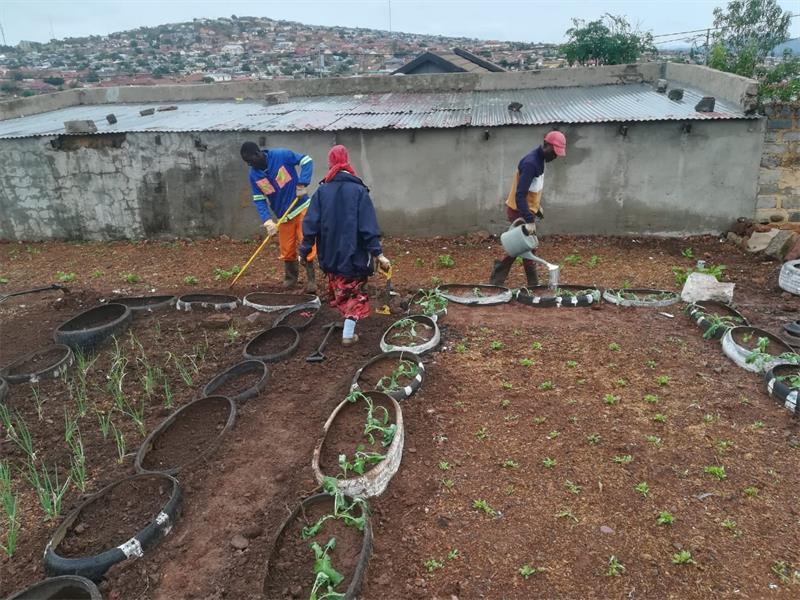
Makhado said there was a need to be educated about illegal dumping sites and their effects on the environment as well as overall hygiene.
“Education programmes will assist the youth to learn early on that littering is not good. Our community is getting worse daily and that pushes investors who might want to assist away,” he said.
Makhado started this project back in 2007 because of his love for cleanliness, his community and his country.
“I noticed that a lot of illegal dumping sites were near streams and wetlands. After the rain, litter would flow into rivers, canals and dams.
“Pollution is everywhere. We try to clean up but people throw lots of things away.”
ALSO READ: Struben shelter remains in ruins
Do you have more information about the story?
Please send us an email to editorial@rekord.co.za or phone us on 083 625 4114.
For free breaking and community news, visit Rekord’s websites: Rekord East
For more news and interesting articles, like Rekord on Facebook, follow us on Twitter or Instagram