Sizeable Die Wilgers hole is not a sinkhole – metro
“Die Wilgers is not underlain by dolomite; therefore, this is not a sinkhole.”
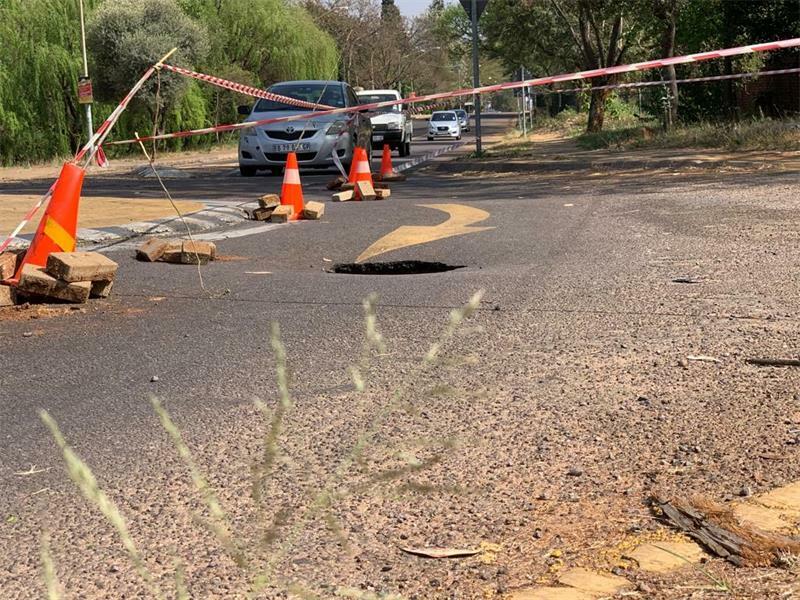
The Tshwane metro says a hole that formed near the traffic circle at the corner of Rossouw and Ena streets in Die Wilgers, Pretoria east was indeed not a sinkhole.
The newly formed hole has left the roadway compromised forcing the diversion of traffic into the oncoming lane.
On Tuesday, the area had been cordoned off with red tape and cones, while Tshwane officials were on site.
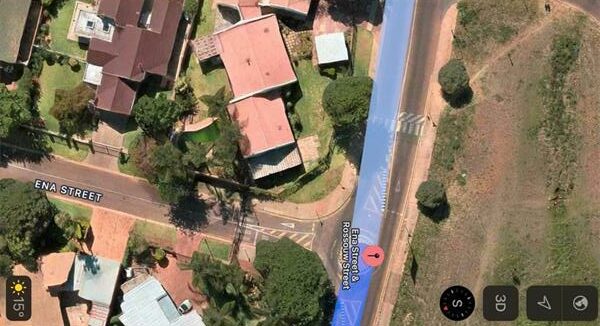
There have not been any reports of damage to neighbouring private property.
Tshwane metro spokesperson Lindela Mashigo said: “Die Wilgers is not underlain by dolomite; therefore, this is not a sinkhole.”
He said there had been a prior leak which had been escalated to the regional maintenance team for attendance.
No estimate was given on when the road would be repaired.
Mashigo said, however, that Tshwane has set aside a budget of R30-million to rehabilitate 48 sinkholes.
Local ward councillor Ben Chapman said he, along with metro officials, had completed an inspection at the site on Tuesday and suspected a stormwater line in Die Wilgers was to blame for the road surface caving in.
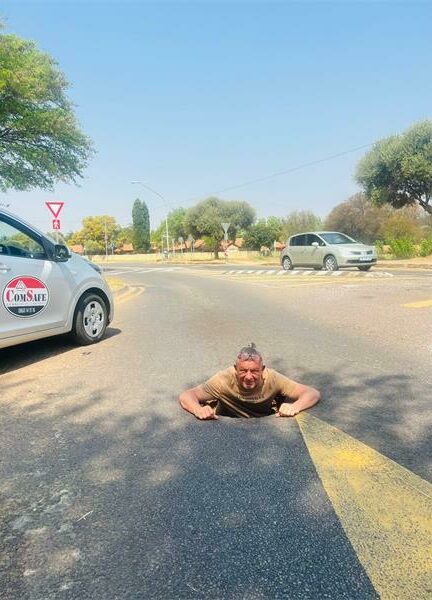
Chapman said after investigations, it was concluded that the hole was not the result of a burst pipe.
“The team has climbed into the hole and determined that the stormwater over time has created the hole. The roads department [is] dealing with this.
“There are three leaks from the 415mm water pipe, two are next to the [nearby] stream and one is further up on the stream next to the hole which we suspect could have been the cause,” Chapman said
Chapman said the metro would appoint a service provider for the repair work.
“Metro teams from the departments of water and roads will begin trenching to locate the suspected water leaks.”
He said the timeline for the repair work would be known after this trenching phase.
Centurion has been the site for most sinkholes in Tshwane.
Geoscience Development Council manager Willem Meintjies previously said Centurion was highly susceptible to sinkholes since it is underlain by dolomitic rock.
This type of sedimentary rock is like limestone and can dissolve and be broken down by acidic water.
According to Meintjies, sinkholes are often triggered by concentrated bodies of water seeping into the ground (ingress), or large-scale groundwater abstraction, sometimes called dewatering.
He said that in Centurion, research has shown that most cases arise due to the ingress of water from leaking infrastructure or stormwater.
Measures could be taken to reduce the occurrence of sinkholes and affected areas could be repaired.
Despite this Meintjies said that the occurrence of sinkholes was not easily predictable.
HERE ARE SOME REPORTED AREAS FACING SINKHOLES:
Do you have more information about the story?
Please send us an email to editorial@rekord.co.za or phone us on 083 625 4114.
For free breaking and community news, visit Rekord’s websites: Rekord East
For more news and interesting articles, like Rekord on Facebook, follow us on Twitter or Instagram