Programme kicks off to renew inner city
For residents and business owners, the new renovation plan to save hijacked buildings is welcome news, but after 14 years of no action to rid these buildings of illegal occupiers, they do not have much faith in new plans.
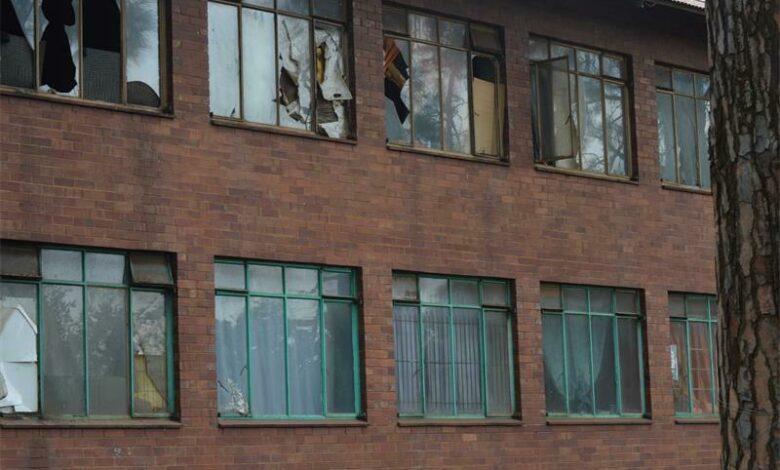
Buildings are part of our city and after many years some of these have fallen into disuse and have been abandoned. A programme was recently started to breathe new life into these hijacked and abandoned buildings in the inner city and surrounds.
City manager Johann Mettler stands at the helm of the programme and will ensure its objectives are achieved.
According to councillor Kingsley Wakelin, the aim is to bring new life to the inner city.
He said negligent owners and syndicate bosses who hijack buildings are exploiting residents who are desperate for affordable and well-situated accommodation.
“Any illegal occupation will be addressed within legal limits. Hijacked buildings and those guilty of this crime will be identified, removed and dealt with legally,” said Wakelin.
According to him, the metro also aims to gain full control over abandoned or illegally occupied buildings that are in their name.
Wakelin explained these buildings will be made available through long-term leases to create affordable accommodation.
A task committee of the metro will start an audit of all abandoned or illegally occupied buildings in Pretoria’s inner city.
From there a plan of action will be made for the ordinary sale, alienation, rental on the market, resettlement of residents or transfer to public organisations such as universities.
“We intend to end the corrupt and criminal activities around illegally occupied buildings,” Wakelin emphasised.
He confirmed that the infamous Melgisedek building near the Steve Biko Academic Hospital in Riviera is right on top of the list of buildings to be tackled.
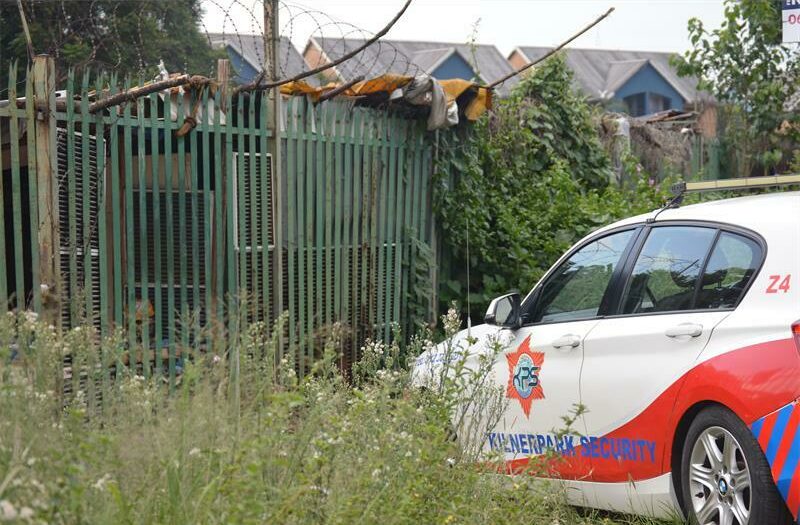
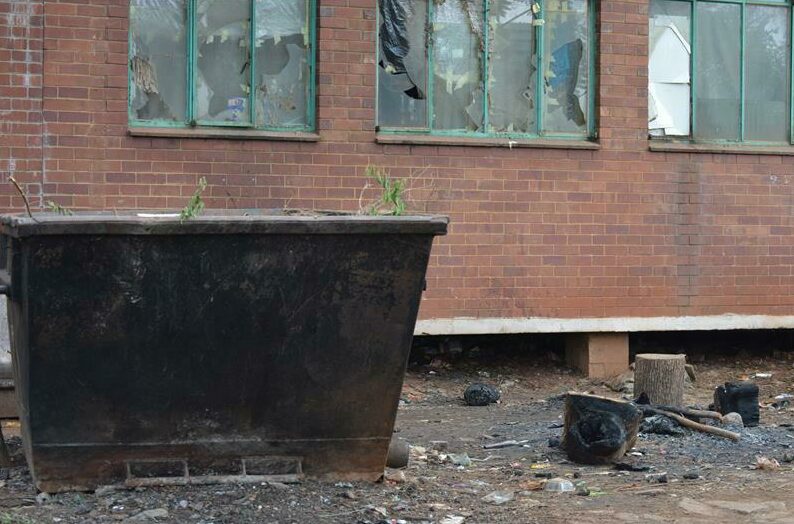
Councillor Mari Nel of Freedom Front Plus welcomed the announcement.
“But empty promises have been made in the past, I will only believe it when I see it,” she emphasised. “Why the focus all of a sudden? But whatever the motive so shortly before elections, the sooner the better.”
She regularly takes part in clean-ups at the building and the parks in the area by civic organisations and the public. Parks and sites nearby are scattered with needles used to inject drugs such as heroin, nyaope and CAT.
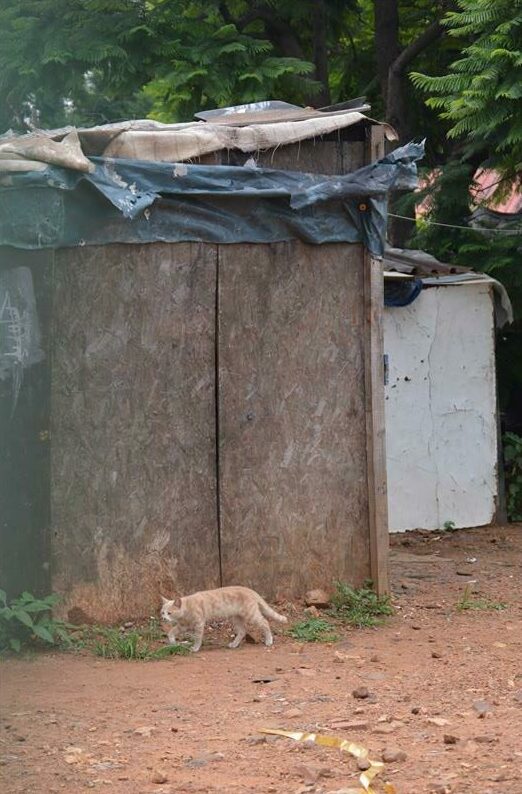
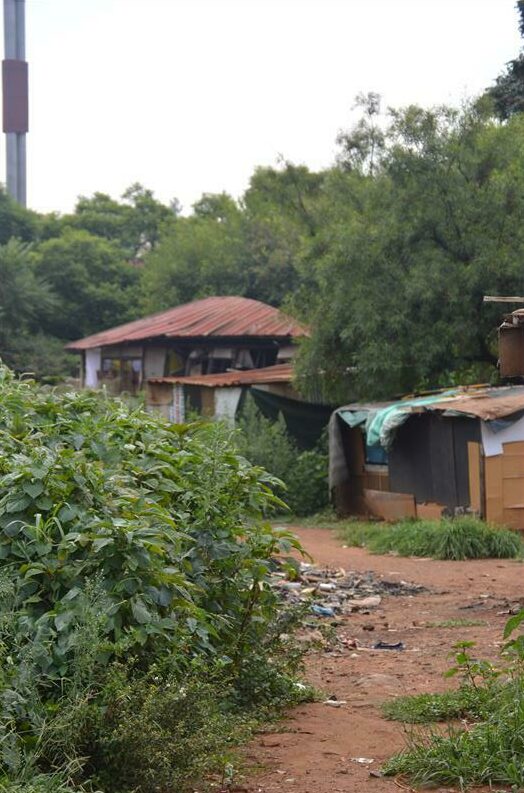
More than 300 people at the Melgisedek building complex have to share four toilets between them, she said.
“Business owners in the area have been at their wits’ end regarding this building for years.
“I want to thank the local CPF, KPS Proshield Fidelity and ADT. They are doing wonderful work to prevent crime and social evils from happening here,” Nel said.
She emphasised that residents are concerned about their house prices dropping in value and having endless problems with their drains because of clogged drains at the building.
Nel said whether plans are indeed put in place to renew buildings such as the Melgisedek building for paid accommodation, effective oversight is a prerequisite.
“The time between when illegal occupiers are removed and buildings are renovated is also a significant period. Inspectors must be sent to these buildings to ensure that plans made for this purpose are realised. There must also be security to make sure the buildings are not illegally occupied again,” Nel said.
The Melgisedek building was originally used by the Pretoria Technical College until 1996. Afterwards, it was used by a non-profit organisation as a haven for the homeless. Since 2009, the buildings have been increasingly occupied by illegal occupiers.
Although it belongs to the metro, no proactive building maintenance has been carried out since 2009 and there is a serious lack of services such as electricity and water.
The buildings were declared uninhabitable in 2014 and the metro made plans to relocate 600 residents, but not much came of this.
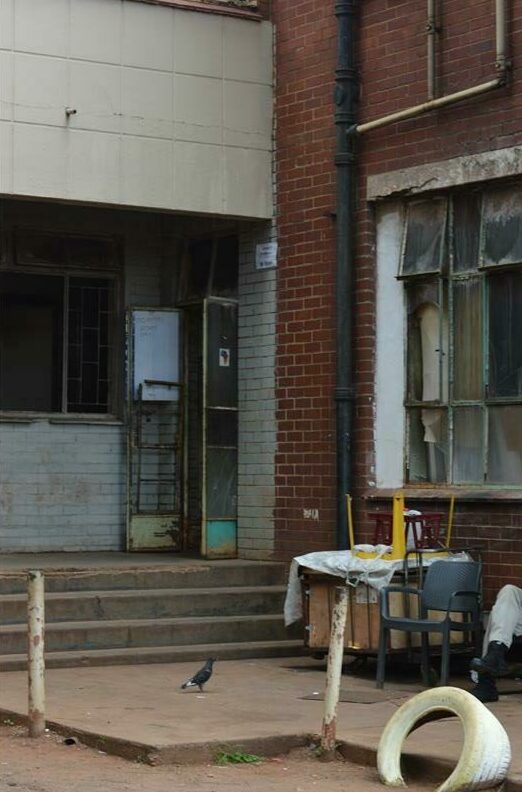
Attempts to relocate residents fell flat in 2016 due to the metro’s inability.
In 2019 the metro decided to make the building available for students but with Covid-19 starting to make an impact in March of that year, none of these plans came to fruition.
Nel said the political will has always been lacking in the past to address the illegal occupation of the building complex.
“Methods followed were ineffective such as subpoenas delivered incorrectly to occupiers. Alternative lodging was also offered to the occupiers in the past but with no success,” she said.
“Human rights lawyers have also hampered the eviction process. For the frustrated business owners and residents who had to live with this unfinished business for more than 14 years, we can only hope that the new initiative will be successful and not just another empty promise.”
Enquiries have been sent to the Tshwane metro but no feedback was obtained by the time of going to press.
Do you have more information about the story?
Please send us an email to editorial@rekord.co.za or phone us on 083 625 4114.
For free breaking and community news, visit Rekord’s websites: Rekord East
For more news and interesting articles, like Rekord on Facebook, follow us on Twitter or Instagram