Parents urged to monitor children on social media
The average South African child spends nine hours a day on their cellphone playing games and using social media apps.
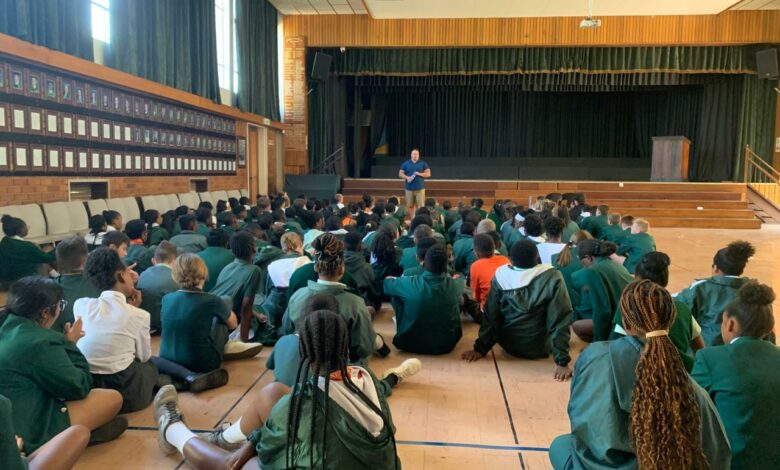
The National Centre for Child Protection (NCCP) has recently urged parents to ensure that their children use social media properly and are always supervised.
The warning arrives as the centre commemorates Child Protection Week held annually to raise awareness of the need to protect children.
Child Protection Week is commemorated in the country from May 28 to June 4 in a bid to raise awareness on children’s rights.
According to the CEO of NCCP Danie van Loggerenberg, an average South African child spends nine hours per day on their cellphone and very few of those hours are used to Google the answers for homework.
“The NCCP gets called daily in the Pretoria area to assist with an ever-increasing rise in the number of children between the ages of nine and 16, that take naked photos of themselves and send them off to strangers,” said Van Loggerenberg.
Van Loggerenberg said the games children play, the apps they use, and their social media profiles are a major concern because they act recklessly and make silly mistakes.
“As long as our children have unsupervised and unlimited access to their cellphones, they are in big trouble.
Our children are competing in a currency of likes and it has become a world of getting likes by any means necessary,” said Van Loggerenberg.
He said once your children have a social media profile, a world of strangers has access to them.
“These strangers use WhatsApp because most children use the platform.
Unfortunately, for the very same reason, it is the one app they share personal information on and where they reroute all communication to, from various other social media profiles, including Instagram, TikTok and Facebook,” he said.
Van Loggerenberg said strangers follow these children on social media, like their posts and send them messages.
“That message almost starts with a compliment.
By now, your child is intrigued by this stranger and believes that the few photos on their profile are real.
Once they have convinced themselves that the stranger is real, they enter into conversations, which soon move from DMs on Instagram to WhatsApp,” he said.
He said once your child makes the mistake of sending a nude photo, the stranger will request more.
“Remember, when that stranger builds that foundation of trust, your child feels like they are in the form of a relationship.
They get complimented and praised and they want that to continue. They want to hear that they look pretty and all other versions of the word. The stranger will even request videos and later videos of a sexual nature,” he said.
He said several child suicides are down to the fact that children did not feel they could deal with the consequences of their actions.
“Parents must know that their children might be clueless about these things, but the strangers trolling them are not.
Your child cannot have unsupervised access to their cellphones, the internet and social media apps. It is a dangerous world and you are allowing them access to it,” he said.
He urged parents not to think their child’s innocence safeguards them against the dangers posed by the strangers lurking.
Do you have more information about the story?
Please send us an email to bennittb@rekord.co.za or phone us on 083 625 4114.
For free breaking and community news, visit Rekord’s websites: Rekord East
For more news and interesting articles, like Rekord on Facebook, follow us on Twitter or Instagram