Political parties slam use of metro’s purse
While the DA-ActionSA multiparty coalition administration believes that its tabled R50.6-billion budget would improve service delivery and rescue the capital city, opposition parties beg to differ.
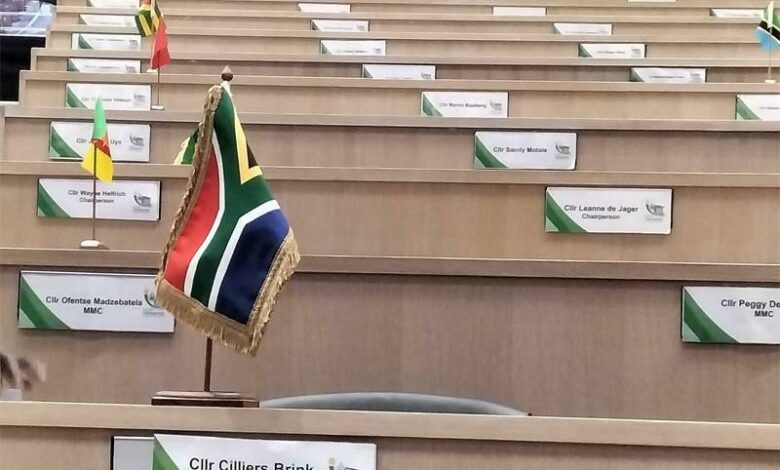
Various political parties in Tshwane have objected to and criticised the use of the metro’s purse, after the capital city’s 2024/25 budget was passed on Thursday, June 6.
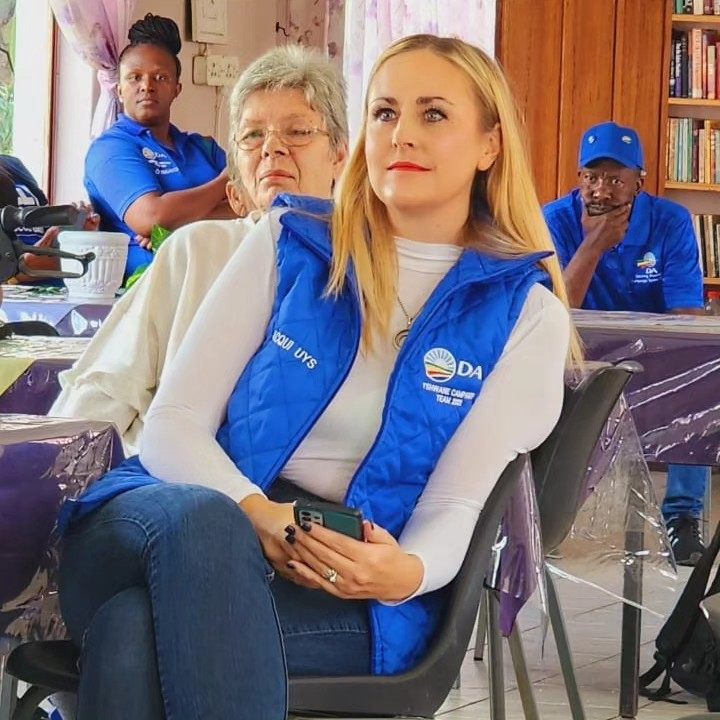
MMC for Finance Jacqui Uys tabled the budget of R50.6-billion on June 4, comprising an operating budget of R48.3-billion and a capital infrastructure investment budget of R2.3-billion for the 2024/25 financial year.
The budget was approved and passed with 112 votes during the council meeting.
While the DA–ActionSA multiparty coalition administration believed that its tabled R50.6-billion budget would improve service delivery and rescue the capital city, opposition parties begged to differ and rejected the budget.
Uys emphasised that 49% of the capital budget will be for the prioritisation of the electrical grid and water infrastructure in Tshwane.
She stressed that the proposed increases in rates and tariffs when compared to those instituted by other metros, are the most reasonable in the country.
Uys pointed out that the tariff increases are in line with inflation and are as follows: 5.9% for water and sanitation, 5% for refuse removal, and 5% for property rates.
She emphasised that the 12% increase in costs imposed on the city by bulk electricity supplier Eskom is outside the metro’s control.
Opposition parties slammed the budget, saying the proposed rate hikes will have a significant impact on the ordinary citizens of Tshwane.
ALSO READ: Massive fuel price decrease on the cards in July
The EFF rejected the budget, saying that the proposed rate hikes are unjust.
EEF Tshwane regional chairperson Obakeng Ramabodu said in a statement that the proposed 5.9% increase in sanitation and water, a 5% hike for refuse removal and a staggering 12% increase in electricity will place a burden on residents.
“It is evident that the DA-led coalition is prioritising profits over the well-being of the residents, further exacerbating financial strain faced by households grappling with economic challenges.”
He said the multiparty government should reconsider its decision to implement these unfair rate hikes.
“It is incumbent on the metro to pursue policies that promote affordability, and accessibility, rather than burdening residents.”
Ramabodu said in the budget, the city blatantly ignored the urgent need to formalise 185 informal settlements.
He said the adopted strategic priorities with a budget of over R2-billion for the upcoming fiscal year seem promising on the surface.
“However the lack of investment in key areas such as 24-hour operational clinics, raises serious concerns regarding the multi-party administration’s commitment to providing essential services to residents.”
Ramabodu said the allocation of R270.3-million to water tankers shows a lack of foresight, whereas the metro should provide clean water connections to households.
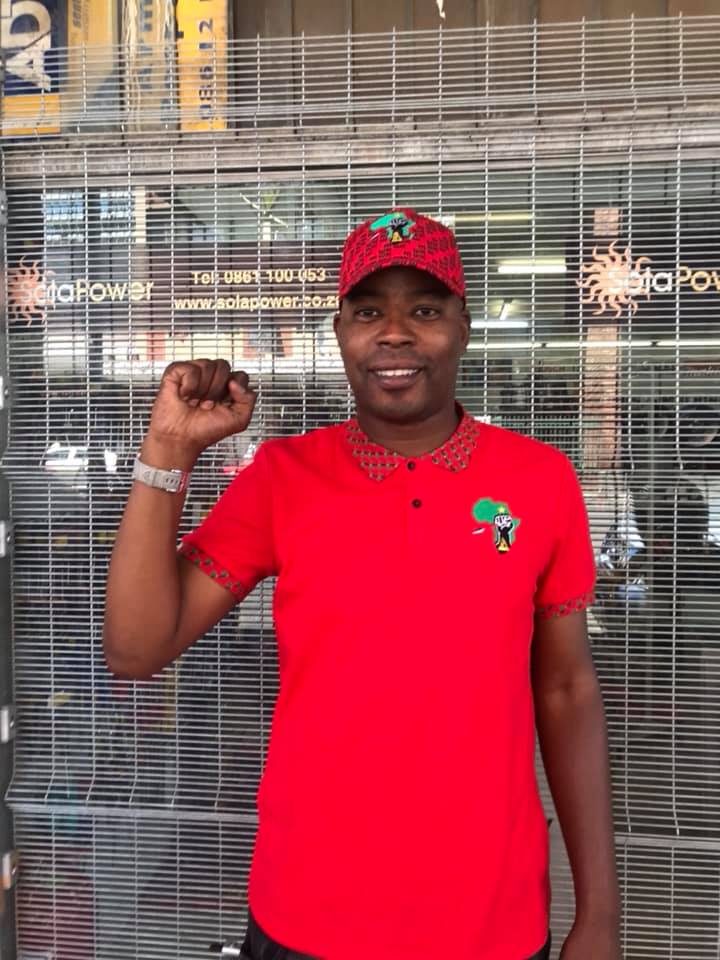
The DA Tshwane Caucus fully supported the “back to basics” budget.
Caucus spokesperson Kwena Moloto said a cornerstone of DA governments across the country is the focus on infrastructure investment.
“We therefore fully support the decision for almost half of the Capital budget to go towards the electrical grid and water infrastructure. Water and electricity are the lifeblood of any economy.”
Moloto said accordingly, this multi-party government massive infrastructure investment shows a commitment not only to delivering on the basics of keeping the lights on and keeping water flowing through the taps but also a commitment to the growth of Tshwane’s economy.
He said a critical part of this investment is the R179-million being allocated to the upgrading of substations across the city to ensure uninterrupted power supply to residents.
Republican Conference councillor Lex Middelberg also criticised the budget.
Middelberg said in this budget, the city starts the financial year with a shortfall of R6.1-billion carried forward from the previous financial year.
“We see from this budget that our current assets, excluding inventory, which we expect to maintain at its current levels, amount to R8.2-billion. Contra to that, our current liabilities, excluding consumer deposits, which we also expect to be maintained at current levels, add up to R14.3-billion.”
He argued that this shortfall was money that must be paid in this new budget year – and to do so means that R6.1-billion would be taken from votes intended for this budget year’s service delivery to rate-paying residents, instead of spending it on the purported objectives of this budget.
“The result is that all the promises contained in this budget, and in the MMC’s budget speech are illusionary. Because once you have allowed for fixed expenditures such as salaries, loan repayments, bulk purchases and capital spending against grant income, there is not R6.1-billion remaining to settle this debt. And on top of that to render the services promised in the budget,” said Middelberg
He added that what the multi-party coalition administration would do, as they did last year, is to incur more debt in the form of unpaid invoices, that they know they would not pay to the city’s business partners.
ALSO READ: Pretoria central crime declines by more than a third – Police
Do you have more information about the story?
Please send us an email to bennittb@rekord.co.za or phone us on 083 625 4114.
For free breaking and community news, visit Rekord’s websites: Rekord East
For more news and interesting articles, like Rekord on Facebook, follow us on Twitter or Instagram